
Removable dentures for complete tooth loss without implants: options and typical costs: An objective analytical guide
For adults experiencing complete tooth loss, also known as edentulism, removable dentures serve as a foundational restorative pathway for restoring masticatory function, speech clarity, and facial aesthetics 3. Approximately 17% of adults aged 65 and older are completely edentulous, relying on these prostheses to maintain quality of life 3. While dental implants are often cited as the gold standard for stability, many patients utilize traditional removable dentures due to anatomical, financial, or personal considerations 2, 15.
Understanding the Types of Removable Dentures
Complete dentures are designed to replace every tooth in the upper or lower arch, resting directly upon the gum tissue 3, 4. Conventional dentures are typically fabricated after tooth extraction and a subsequent healing period of 8 to 12 weeks, allowing the gingival tissue and underlying bone to stabilize 5. In contrast, immediate dentures are provided on the same day as extractions, functioning as a temporary appliance that protects the extraction sites while acting as a bandage 5, 9.
Beyond these categories, technological advancements have introduced digital dentures, which utilize computer-aided design and manufacturing (CAD/CAM) to create prosthetics from solid blocks of high-density acrylic resin 10. This process often reduces the number of clinical appointments required compared to traditional manual fabrication methods 10. Regardless of the fabrication technique, all removable dentures require a period of adaptation, often spanning 3 to 6 months, as the patient adjusts to the sensation of the appliance and the changes in chewing efficiency 8.
Factors Influencing Financial Expectations
The cost of removable dentures is influenced by a range of variables, including materials, geographic location, the expertise of the dental provider, and the specific complexity of the case 3, 5. Nationally reported ranges in the United States indicate that complete dentures typically cost between $1,000 and $5,000 per arch 3. Budget-conscious options generally start around $600 to $1,000 per arch, while premium custom-fit dentures using high-quality materials can exceed $4,000 per arch 3.
These figures are considered historical market benchmarks and do not account for the additional costs of extractions, X-rays, or necessary preparatory work 7. Immediate dentures, which require additional clinical monitoring during the healing phase, often fall within the $1,500 to $3,500 range per arch 3, 9. Patients are encouraged to review their specific insurance coverage, as plans vary significantly regarding their contribution toward restorative dental appliances 3.
Maintenance and Long-Term Oral Health Realities
Removable dentures require consistent maintenance to remain effective. Because the natural jawbone undergoes a process of resorption-gradually shrinking after teeth are lost-a denture that fits securely today may become loose over time 8, 9. This physiological change necessitates periodic relining or the total replacement of the denture every 5 to 8 years to maintain proper fit and comfort 8.
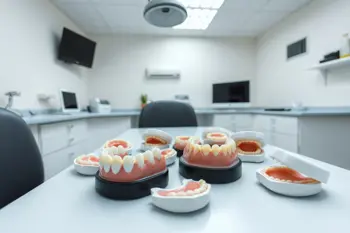
The reliance on gum tissue for support is a primary friction point for conventional dentures. Unlike implant-supported solutions that help preserve bone density, removable appliances do not stimulate the jawbone, which contributes to long-term resorption 6, 8. Patients may experience varying levels of retention, particularly with lower dentures, which are traditionally more challenging to stabilize than upper dentures due to the absence of a palate for suction 5, 15.
Comparative Analysis of Restoration Options
The following table illustrates the general clinical differences between common tooth replacement modalities for edentulous patients:
| Denture Type | Retention Method | Approximate Cost (per arch) | Typical Primary Benefit |
|---|---|---|---|
| Conventional | Suction/Muscle Control | $600 – $3,000 | Accessibility and affordability |
| Immediate | Suction/Muscle Control | $1,500 – $3,500 | Immediate aesthetic restoration |
| Digital (CAD/CAM) | Suction/Muscle Control | $1,500 – $4,000 | Precision fit and efficiency |
| Implant-Retained | Mechanical Snap/Clip | $5,000 – $25,000 | Enhanced stability and bone preservation |
Clinical and Quality of Life Considerations
For individuals who cannot or choose not to pursue implant-based treatments, removable dentures remain the primary, non-surgical pathway for restoring oral function 16. While these prosthetics can significantly improve the ability to eat and speak compared to being edentulous, clinical research suggests that chewing efficiency with conventional dentures is approximately 20% of that provided by natural teeth 8. Expectations must be tempered regarding the stability of these appliances during the consumption of hard or sticky foods 8.
A prosthodontist, who possesses three years of specialized training beyond general dental school, is often the recommended professional for managing complex denture cases, such as those involving previous failures, atypical jaw shapes, or significant bone loss 5, 10. Consultation with a dental professional ensures that the chosen restorative approach aligns with individual clinical needs and long-term functional goals 15.
Regulatory and Economic Context
Denture pricing is subject to significant regional variability. In countries like the United States, United Kingdom, and Australia, overhead costs, including laboratory fees and clinical labor, contribute to the total investment required for high-quality, custom-fitted prosthetics 12. Some healthcare systems, such as the NHS in the UK, offer tiered dental treatment, though coverage and eligibility vary based on regional policy and individual financial circumstances 14.
Patients are advised to treat any quoted price as a baseline that may fluctuate based on diagnostic findings, such as the need for advanced imaging or specialized surgical procedures prior to prosthetic fitting 7. Transparency in the treatment planning process is essential for evaluating whether a restorative option offers the intended short-term utility and long-term value for the patient 1.
Sources
- ConsumerSearch: How Much Do Full Dentures Cost: A Complete Breakdown
- MyoDental: Best Dentures Without Implants
- eMedicare: Denture Costs With and Without Insurance
- CareCredit: How Much Do Dentures Cost? Average Price by Type and State
- MySpecialtyDentist: Types of Dentures Explained
- MySpecialtyDentist: Dental Implant vs Denture: Full Mouth
- Aeva: How Much Do Dentures Cost in Canada? 2026 Price List
- Capcane: Complete Dentures in India
- MySpecialtyDentist: Immediate Dentures: What to Know
- MySpecialtyDentist: Digital Dentures CAD/CAM Guide
- Bigger Smiles: Types of Dentures and Cost in Australia
- Dentures 101: Cost of Dentures Around the World
- The CDG of Houston: Affordable Dentures: What to Expect and How to Choose
- NHS: Dentures
- OrthoArchives: Choosing Between Fixed and Removable Prosthetic Modalities
- MySpecialtyDentist: Dental Implant Alternatives