
Understanding 4-night Snowdonia lodge holidays with meals: a look at typical inclusions
Understanding 4-night Snowdonia lodge holidays with meals involves looking beyond the lodge itself. A four-night stay in Snowdonia, also known by its Welsh name Eryri, can combine self-contained accommodation with some or all meals, but the exact arrangement varies between rural lodges, holiday parks, estate properties and small hospitality businesses.
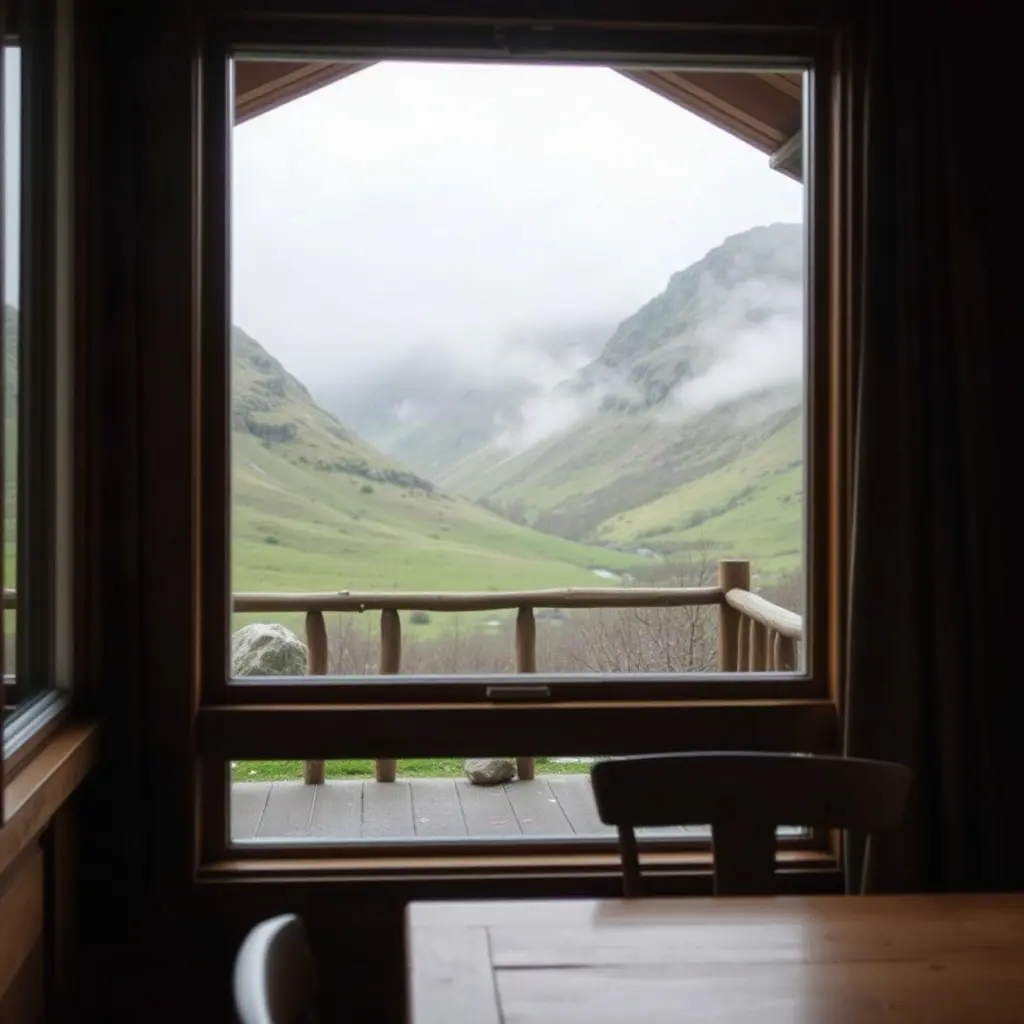
What a four-night Snowdonia lodge stay usually includes
A four-night holiday normally means four nights of accommodation, with arrival on one day and departure on the fifth day. Lodges may be detached cabins, timber-built units, converted farm buildings or larger properties within a managed park. The layout commonly includes a living area, kitchen or kitchenette, one or more bedrooms, and a bathroom.
Basic household equipment is often part of the accommodation. This may include beds with duvets, seating, cooking equipment, crockery, cutlery, a refrigerator and heating. Some lodges also have a private terrace, outdoor seating, a wood-burning stove or a hot tub, although these features should not be assumed from the word “lodge” alone. The level of privacy can range from a standalone building to a unit positioned close to neighbouring cabins.
How meals are arranged in lodge holidays
“With meals” can describe several different arrangements. A full-board stay generally covers breakfast, lunch and an evening meal on each included day, while half-board most often means breakfast and dinner. Some packages include an evening meal on the arrival night and breakfast on the departure morning, but not every meal during the four-night period.
Meal service may take place in a restaurant, dining room, pub-style venue or communal lodge kitchen. In other cases, prepared breakfasts, hampers or ready-to-cook ingredients are placed in the accommodation. The distinction matters because a meal plan based on restaurant dining follows set serving times, whereas a hamper or ingredient arrangement gives more control over when food is eaten.
- Breakfast may consist of a cooked Welsh or continental-style meal, cereals, toast, fruit and hot drinks.
- Lunch may be a packed meal, light dish, picnic hamper or café allowance rather than a formal sitting.
- Evening meals often include a main course with one or more side dishes, followed by a dessert or a simpler alternative.
- Drinks, snacks, special desserts and additional courses may be treated separately from the main meal plan.
Food choices, allergies and dietary needs
Menus in rural parts of Wales often reflect local produce, with dishes such as lamb, beef, trout, seasonal vegetables, Welsh cheeses and baked goods appearing in some settings. This does not mean every lodge holiday uses the same menu. Catering can be provided by an on-site restaurant, a nearby business or an external chef, so the style of food and available choices differ considerably.
Vegetarian and vegan meals are commonly available when requested in advance, while gluten-free, dairy-free and allergy-aware options depend on the kitchen. A dietary requirement may affect how meals are prepared rather than whether a package includes food. Severe allergies require particular care because a kitchen may handle the relevant ingredients. Children’s portions, packed lunches and early dining times are also variable details, especially in smaller properties with limited staffing.
Facilities inside Snowdonia lodges
The main benefit of lodge accommodation is usually the additional living space compared with a standard hotel room. A sitting room can provide somewhere to relax after walking, while a kitchen or kitchenette allows drinks and simple snacks to be prepared even when main meals are included. Larger lodges may have two or three bedrooms, making them suitable for families or groups, but capacity is determined by the number and arrangement of beds.
Bathrooms may contain a shower, a bath or both. Wi-Fi is widely found but can be slower in valleys and remote areas, where mobile coverage may also be inconsistent. Heating is important in the upland climate, and many properties use central heating, electric heaters or wood-burning stoves. A stove may involve extra instructions and a limited supply of logs, rather than unlimited fuel being part of the stay.
- Common indoor facilities include a television, dining table, cooking equipment, towels and basic cleaning supplies.
- Outdoor features can include a patio, garden furniture, firepit or private parking.
- Shared facilities may include a play area, laundry room, reception building or communal lounge.
- Some properties have accessibility features, but these vary by lodge and may not cover every part of the site.
Outdoor activities around Eryri
A four-night stay leaves time for several types of outdoor activity, although the suitable choice depends on weather, fitness and route conditions. Eryri National Park contains well-known mountain landscapes, lakes, forests and valleys. Walking options range from short paths near villages to demanding mountain routes, including routes around Yr Wyddfa, commonly known in English as Snowdon.
Lodge packages sometimes include access to a private site activity, such as archery, fishing, cycling equipment or guided walks, but these are not automatic parts of a meal-inclusive stay. Some facilities are shared, seasonal or weather-dependent. Mountain activities also carry practical risks, including rapid weather changes, slippery ground, river crossings and poor visibility. A meal plan does not usually include specialist equipment, transport to trailheads or professional guiding.
Location, transport and nearby places
Snowdonia lodge accommodation can be found in different parts of the national park and on its edges. Areas near Betws-y-Coed are associated with wooded valleys, rivers and outdoor attractions. Llanberis provides access to mountain scenery and the National Slate Museum, while Beddgelert, Capel Curig, Dolgellau and Bala are other locations commonly used as bases for exploring the region.
Rural lodges often require a car because shops, restaurants and trailheads may be several miles away. Public transport is available on some main routes, but services can be less frequent in remote valleys and may not connect directly with an individual property. Parking arrangements differ, and a lodge advertised as being near a mountain may still involve a drive to the start of a walking route.
What may sit outside the standard package
Meal-inclusive wording does not necessarily cover every service connected with a stay. Guests may still encounter separate charges or arrangements for items such as spa treatments, activity instruction, equipment hire, transport, premium drinks, additional firewood and meals outside the stated plan. A lodge with a kitchen may also provide only basic cooking supplies, leaving specialist ingredients or extra provisions to the occupant.
Housekeeping is another point of difference. Some stays include an initial supply of towels and bed linen with cleaning after departure, while others provide a mid-stay towel change or a scheduled cleaning visit. Properties that allow pets may apply separate rules about the number of animals, restricted rooms and cleaning arrangements. Accessibility, child equipment, parking and electric vehicle charging also depend on the individual site rather than the general description of a lodge holiday.
Making sense of the itinerary over four nights
A four-night schedule commonly includes an arrival evening, three full days and a departure morning. The first evening may be used for settling in and eating a supplied dinner, while the middle days provide the most time for walking, sightseeing or resting at the lodge. If breakfast is served at a fixed time, long mountain days may require an alternative arrangement such as a packed lunch.
The practical details are therefore as important as the headline meal description. The accommodation location, meal timings, kitchen access, travel distances and weather policy can shape the experience more than the number of nights. Reading the terms for the particular lodge helps establish which meals are included, whether dietary requests are accommodated, and which activities or services remain separate from the core stay.