Natural ways to manage gout pain at home: An evidence-informed guide
Natural ways to manage gout pain at home focus on practical measures such as resting the joint, applying a wrapped ice pack, elevating the affected limb, drinking water and adjusting dietary triggers. These steps may ease pain and swelling during a flare, although gout can resemble a joint infection and often requires professional evaluation.
What happens during a gout flare
Gout is an inflammatory arthritis caused by urate crystals forming in a joint when uric acid levels remain too high. Attacks commonly affect the big toe, but the ankle, knee, wrist and elbow can also be involved. Typical symptoms include sudden intense pain, redness, swelling, heat, stiffness and extreme tenderness, sometimes developing overnight.
Symptoms can worsen rapidly and may last several days. Cleveland Clinic reports that treatment can shorten some attacks to one or two days, while severe flares may take up to 14 days to resolve. There is no reliable cure that makes a flare disappear within minutes, so home care should be viewed as symptom support rather than a rapid cure.
Rest, elevation and cold therapy
Resting the affected joint reduces pressure and movement that can intensify pain. For swelling in a foot, ankle, knee or hand, elevation can help move excess fluid away from the joint. NHS and Versus Arthritis guidance both identify rest and raising the affected limb as practical measures during an attack.
A cold pack wrapped in a cloth can numb pain and reduce swelling. Research-based guidance commonly recommends applying ice for about 15 to 20 minutes at a time, several times a day, while avoiding direct contact between ice and skin. Prolonged exposure can injure skin, and pressure from tight wraps may aggravate a highly tender joint.
Hydration and beverages
Drinking adequate water can help prevent dehydration and support kidney function while the body removes waste through urine. Water does not dissolve an acute joint deposit or replace anti-inflammatory treatment, but dehydration may contribute to flare risk. People with kidney, heart or other fluid-related conditions should obtain individualized medical advice about appropriate fluid intake.
Alcohol, particularly beer and spirits, can increase gout risk and promote dehydration. Sugary drinks and products containing high-fructose corn syrup are also associated with higher gout risk. Replacing these beverages with water or unsweetened drinks is a more evidence-supported approach than relying on diuretic teas or juice mixtures, which may carry medication or kidney-related risks.
Food choices during and between flares
Reducing frequent intake of purine-rich foods may lower uric acid exposure. Guidance identifies organ meats, red meat and some seafood, including shellfish, as foods to limit rather than necessarily eliminate. Diet changes generally produce modest urate reductions, so food choices are most useful as part of a broader management plan.
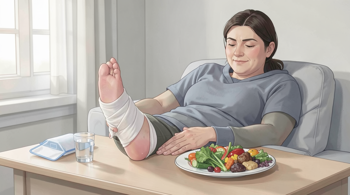
Gradual weight management may reduce uric acid levels and flare risk for people who are overweight or obese. Crash dieting and fasting can raise uric acid and trigger attacks, making gradual change preferable. The American College of Rheumatology conditionally recommends limiting alcohol and high-purine foods and using a weight-management program when appropriate.
Cherries, supplements and herbal remedies
Observational studies suggest that cherries or cherry products may modestly reduce the risk of gout flares for some people, but the evidence is limited and products vary. A cited review reported that several forms, including fresh fruit, juice and extracts, have been studied. Cherry products should not be treated as a substitute for prescribed urate-lowering treatment.
Evidence is not strong enough to show that herbal remedies or supplements reliably treat an acute attack. Magnesium, ginger, turmeric, fish oil and other supplements have been discussed for inflammation or uric acid management, but safety and effectiveness differ. The Arthritis Foundation advises discussing supplements, herbs and dietary changes with a clinician because interactions and medical conditions can alter risk.
Medication safety and medical assessment
Natural measures may complement treatment, but many acute flares require prescribed or over-the-counter anti-inflammatory medicines selected according to medical history. Kidney disease, stomach ulcers, blood-thinning medication, pregnancy and other conditions can affect whether common pain relievers are appropriate. Prescribed urate-lowering treatment should generally continue during a flare unless a clinician gives different instructions.
A first suspected attack, severe or unusual pain, or a hot swollen joint with fever warrants medical assessment because septic arthritis can resemble gout and requires prompt treatment. Recurrent attacks also deserve clinical review, since untreated gout can damage joints. Effective long-term urate control may be needed when lifestyle measures alone do not prevent flares.
Practical home-care checklist
The following measures summarize the lowest-risk supportive steps described in clinical and public-health guidance. They are intended for comfort and prevention support, not as a diagnostic test or replacement for medical care.
- Rest the affected joint and avoid unnecessary pressure.
- Raise the limb when swelling is present.
- Apply a cloth-wrapped ice pack for 15 to 20 minutes.
- Drink water according to personal medical guidance.
- Avoid alcohol and sugary drinks during risk periods.
- Limit frequent servings of organ meat, red meat and some seafood.
- Use gradual weight management rather than fasting or crash dieting.
- Ask a clinician before using supplements or changing prescribed treatment.
Sources
- Cleveland Clinic, Gout Self-Care and Home Remedies
- Verywell Health, Easy Ways to Soothe Gout Flare-Ups Quickly
- Star Health, Home Remedies for Gout Pain Relief
- NHS, Gout
- National Institute for Health and Care Excellence, Gout Guideline
- Mayo Clinic, Gout Diagnosis and Treatment
- American College of Rheumatology, Gout Guideline
- Arthritis Foundation, Gout and Supplements
- National Kidney Foundation, Gout and Kidney Health
- Bupa UK, Gout and Septic Arthritis