
Dental implant costs and procedure timeline in 2026: A consumer data review
Dental implant costs and procedure timeline in 2026 remain the central questions for patients considering tooth replacement. Current research describes a single U.S. implant with post, abutment, and crown as commonly costing about $3,000 to $6,500, while treatment usually involves several appointments and a healing period lasting months rather than days. 1
What the dental implant fee represents
A dental implant is a titanium or zirconia post placed in the jawbone to replace a tooth root. The completed restoration generally consists of the implant post, an abutment that connects the post to the visible tooth, and a custom crown. Diagnostic imaging, surgical placement, follow-up care, and the final restorative appointment may also appear in the treatment plan. Advertised figures sometimes cover only the post, so a written breakdown is important when comparing estimates. 2
| Component | Role in treatment |
|---|---|
| Implant post | Provides an artificial tooth root within the jawbone. |
| Abutment | Connects the healed implant to the crown. |
| Crown | Forms the visible chewing surface and tooth shape. |
| Imaging and planning | Assesses bone, bite, gum condition, and surgical positioning. |
U.S. single-tooth costs in 2026
U.S. research places the national average for a complete single-tooth implant near $4,500 in 2026, with a commonly cited range of $3,000 to $6,000. Other measured data gives a broader range of $3,760 to $5,733, while clinical practice guidance reports approximately $3,000 to $6,500. The difference reflects provider type, restoration materials, regional wages, and whether extraction, grafting, sedation, or other preparation is included. 3
| Treatment | Reported 2026 U.S. range | Typical scope |
|---|---|---|
| Single implant | $3,000 to $6,500 | Post, abutment, and crown in many complete-case estimates |
| Implant-supported bridge | $6,000 to $11,000 or more | Several missing teeth supported by multiple implants |
| All-on-4 or similar full arch | $18,000 to $35,000 per arch | Fixed replacement for an upper or lower arch |
| Both full arches | $36,000 to $100,000 or more | Complete upper and lower restoration |
Regional and UK price differences
Location is a major price variable. A 2026 state comparison reports average single-implant costs from $3,200 in Mississippi to $6,000 in Hawaii, with California at $5,800, New York at $5,600, Texas at $4,400, Florida at $4,300, Ohio at $3,700, and Indiana at $3,600. In the UK, published consumer guidance places a single implant typically between £2,000 and £3,500 per tooth. UK implants are generally provided privately and are rarely available through the NHS except in limited clinical circumstances. 4
| Market | Indicative single-implant figure | Important qualification |
|---|---|---|
| United States national average | About $4,500 | Regional and provider variation is substantial. |
| United States state spread | $3,200 to $6,000 averages | Reported examples range from Mississippi to Hawaii. |
| United Kingdom | £2,000 to £3,500 | Private treatment is the usual route. |
Procedure stages and expected timeline
The standard process begins with an examination, medical and dental history, bite assessment, and imaging. Three-dimensional CBCT imaging is increasingly used for 2026 planning because it helps evaluate available bone and the intended implant position. Placement is usually a surgical appointment, followed by osseointegration, the period in which bone bonds with the implant. Sources describe this healing phase as approximately three to six months, although the entire course may extend from three to nine months. 5
- Assessment: examination, treatment planning, and diagnostic imaging.
- Preparation: extraction or bone treatment when required.
- Placement: surgical insertion of the implant post.
- Healing: approximately three to six months for osseointegration in standard cases.
- Restoration: abutment fitting followed by crown delivery.
- Recovery: surgical downtime is often described as one to two days, but biological healing continues much longer.
Eligibility and procedures that change the schedule
Candidacy depends on more than the presence of a missing tooth. Treatment planning considers jawbone volume and density, gum health, oral hygiene, the bite, general health, and the number and position of missing teeth. When bone is insufficient, a bone graft or sinus lift may be recommended before, or sometimes alongside, implant placement. Reported UK estimates put additional bone procedures at about £500 to £1,500, while broader U.S. guidance gives approximately $500 to $3,000 for grafting. 6
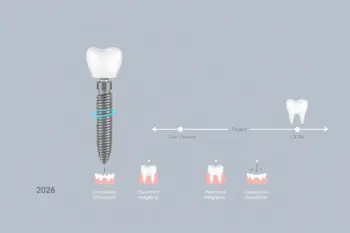
- Bone grafting can add a separate healing interval before implant placement.
- Sinus-lift treatment may be considered where upper-jaw bone height is limited.
- Extractions may add a separate clinical charge and appointment.
- Complex cases can extend the overall timeline beyond the standard six-month expectation.
- Digital planning can improve surgical precision, but it does not eliminate biological healing requirements.
Insurance, finance, and ongoing obligations
Dental insurance frequently excludes implants or applies annual benefit limits, although portions such as a crown or medically necessary treatment may receive some coverage depending on the plan. U.S. dental plans commonly have annual maximums near $1,500, which may cover only part of a multi-stage case. UK private clinics often provide finance arrangements that divide treatment fees into monthly payments. These arrangements change payment timing, not the underlying clinical cost, and require careful review of terms. 7
Implants are not maintenance-free restorations. Long-term care includes regular professional reviews, daily cleaning around the crown and gumline, and attention to gum inflammation or loosening. Research describes documented implant success above 95% at 10 years in appropriately maintained cases, but outcomes vary with bone health, oral hygiene, smoking and other patient factors. The FDA regulates implant systems as medical devices, while the treating clinician remains responsible for diagnosis, surgical planning, and informed consent. 8
How to interpret an implant estimate
A useful estimate should identify whether the stated amount includes the consultation, CBCT scan, extraction, implant post, abutment, temporary tooth, final crown, sedation, follow-up visits, and any grafting or sinus work. Quotes from oral surgeons may run 15% to 25% higher than those from general dental practices, according to the supplied state-cost research. A low headline figure may therefore represent only one component rather than the completed restoration. 2
| Question for a written plan | Why it matters |
|---|---|
| Is the crown included? | The crown is the visible replacement tooth and may be billed separately. |
| Are imaging and planning included? | CBCT and examinations can appear as separate line items. |
| Is grafting anticipated? | Bone treatment can materially increase both cost and duration. |
| Which provider performs each stage? | Surgical and restorative fees may come from different clinicians. |
| What follow-up is included? | Postoperative reviews and restoration checks are part of the treatment pathway. |
Sources
- Dental Country, Dental Implants 2026: Costs, Procedure & Patient Guide, https://dentalcountry.com/dental-implants/
- Madison Park Dental, Dental Implant Cost Breakdown, https://madisonparkdental.com/dental-implants-cost-breakdown/
- CostPrism, Dental Implant Cost by State 2026, https://costprism.com/guides/dental-implant-cost-by-state/
- Bupa UK, Dental Implants, https://www.bupa.co.uk/dental/dental-care/treatments/dental-implants
- NHS Inform, Dental Implants, https://www.nhsinform.scot/tests-and-treatments/dental-care/dental-implants/
- Oral Health Foundation, Dental Implants, https://www.dentalhealth.org/dental-implants
- Which?, Dental Insurance Explained, https://www.which.co.uk/money/insurance/health-insurance/dental-insurance-explained-a33z94e9f7q1
- Dentists Atlanta, The Complete 2026 Guide to Dental Implants, https://dentists-atlanta.net/dental-implants-guide-2026/