Gold wedding ring value by weight: what affects the price per gram today
Key facts
- Gold jewelry value is primarily based on its weight and karat purity, which determines the amount of pure gold content 1.
- The theoretical maximum value is the melt value, calculated by multiplying the weight, purity percentage, and current spot price of gold 2.
- Buyers typically pay a percentage of the total melt value, with professional dealers often offering 84% to 90% of the market rate 2.
- Non-gold components like gemstones or debris are excluded from gold weight calculations, often reducing the total weight used for valuation 3.
The market value of a gold wedding ring is fundamentally determined by the amount of pure gold it contains. When individuals seek to understand the worth of their jewelry, they often encounter the concept of gold melt value. This is the theoretical price of the pure gold content within an item if it were to be melted down and refined to remove all other metals 2. Because jewelry is rarely made of pure gold due to its softness, this calculation requires specific knowledge of the item's weight and its purity level, known as the karat 4.
The Role of Purity and Weight in Gold Valuation
Gold purity is measured in karats (ct or K), which represents the proportion of gold in an alloy. Pure gold is defined as 24 karats 5. In the United Kingdom, common standards include 9ct (37.5% gold), 14ct (58.5% gold), 18ct (75% gold), and 22ct (91.6% gold) 4 6. To calculate the gold content, the total weight of the ring in grams is multiplied by the purity percentage 2. For instance, an 18ct gold ring weighing 5 grams contains 3.75 grams of pure gold 2.
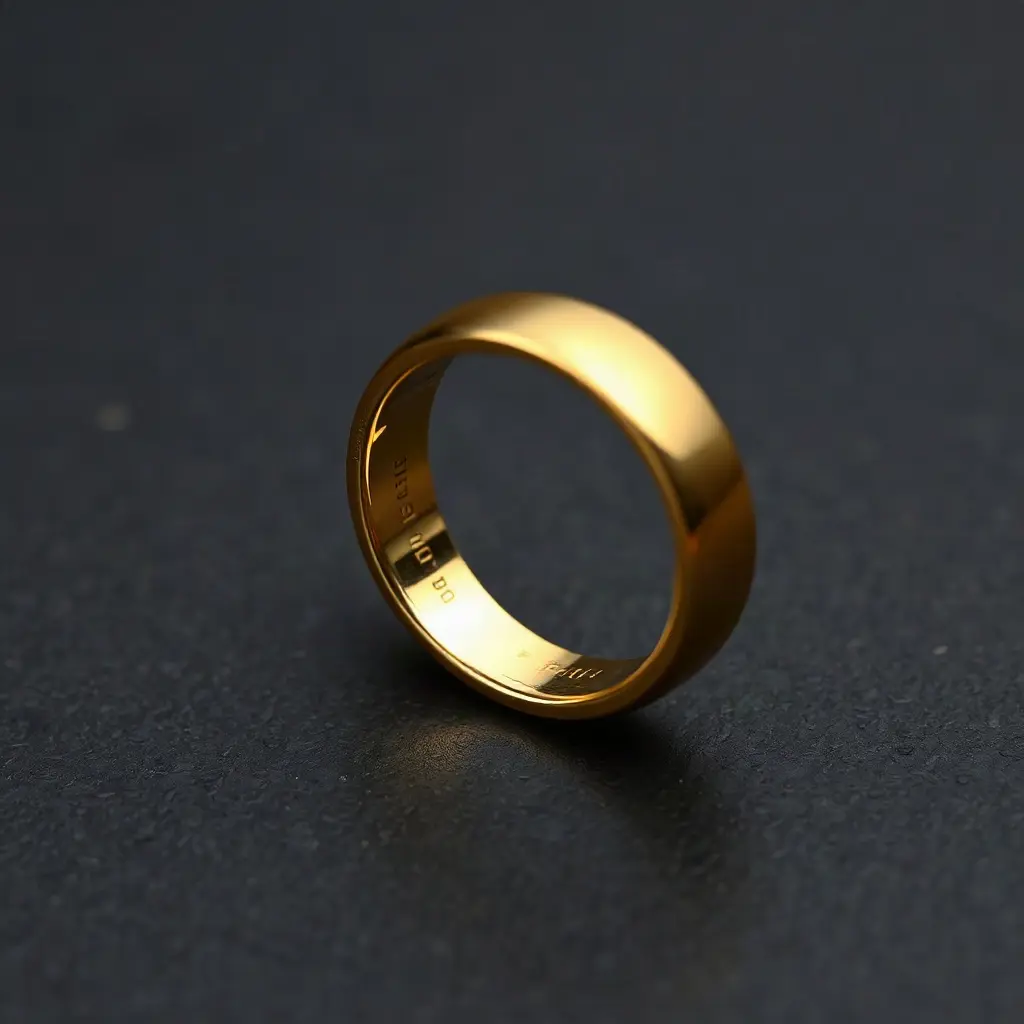
Authenticity is verified through hallmarking. A hallmark is a government-regulated stamp indicating the fineness of the metal, the sponsor's mark, and the assay office that tested the item 4. Items with a weight of 1 gram or more are typically required to carry these marks in the UK, serving as a reliable guarantee of the gold's purity for potential buyers 6.
Understanding Melt Value versus Scrap Value
The melt value serves as the ceiling for what a gold item is worth based strictly on its metal content 2. However, a seller rarely receives this full amount. The offer received from a buyer is known as the scrap value, which is almost always lower than the theoretical melt value 2. The difference between these two figures represents the dealer's margin, which is intended to cover essential costs such as testing the gold's purity, administrative overhead, refining, and the buyer's profit margin 2.
Market estimates suggest that reputable specialist dealers might offer between 84% and 90% of the melt value, while other types of outlets, such as some cash-for-gold shops, may offer significantly less, sometimes ranging from 50% to 70% of the total melt value 2. When evaluating an offer, it is standard practice to understand that the price is driven by the daily spot price of gold, which fluctuates based on global supply, demand, and economic conditions 4.
Factors That Impact Resale Potential
While a simple band may be valued purely as scrap, other factors can influence whether an item is treated as jewelry or as raw material. For branded or designer wedding rings, some buyers may offer a premium above the scrap value, potentially reaching 40% to 60% higher, provided the item is in excellent condition and has recognized provenance 7. Conversely, broken, heavily worn, or damaged rings are typically valued exclusively by their weight in gold 8.
Non-gold elements, such as embedded gemstones, clasps made of different materials, or decorative debris, must be excluded from the weight measurement 3. A professional evaluator will account for these by weighing the ring only after these components are either removed or estimated and subtracted from the total mass 9. Consequently, the net gold weight is the only figure used to determine the final price.
How Market Conditions Affect the Price per Gram
Gold is a globally traded commodity, and its price per gram is subject to constant change during market hours 10. Because of this volatility, the same ring may be valued differently from one month to the next 1. Prices are typically tracked using troy ounces, where one troy ounce equals 31.1 grams 1. To determine the current value per gram, one must divide the prevailing troy ounce price by 31.1 1.
It is advisable for individuals looking to sell to be aware of the current market rate before approaching a buyer. Comparing offers from several different sources is a common strategy to ensure that the compensation offered is fair relative to the gold's purity and weight 11. Keeping documentation, such as the original receipt or appraisal, can also assist in providing proof of purity and potentially streamline the evaluation process 9.
Risks and Considerations for Sellers
One primary risk in selling gold is the lack of uniformity in how buyers assess and price items. Different businesses may utilize different methods to verify purity or may apply varying deductions for refining costs 3. It is important to ask the buyer specifically how the weight and purity were determined and to understand if the final offer is final or subject to further testing 9.
Furthermore, because the transaction involves selling a personal asset, there may be tax implications in some jurisdictions, as profits from the sale of collectibles or precious metals can be subject to capital gains tax 11. Maintaining accurate records of the sale price and any relevant documentation is helpful for reporting purposes. Ultimately, understanding the mechanics of gold valuation empowers the seller to assess offers based on the intrinsic metal content rather than solely on the buyer's provided quote 1.
Sources
- Scrap gold price UK: how much is your gold worth per gram? | Gold Arthur: https://goldarthur.co.uk/articles/scrap-gold-price-uk-how-much-is-your-gold-worth/
- Scrap Gold vs Melt Value: What's the Difference & How Much Will Dealers Pay? (2026): https://londongoldexchange.co.uk/blog/scrap-gold-vs-melt-value-explained
- Selling old gold jewellery? 7 factors that determine its resale value | Mint: https://www.livemint.com/money/personal-finance/selling-old-gold-jewellery-7-factors-that-determine-its-resale-value-11791786602702.html
- Expert Guide: How to Value Your Gold Jewellery | Dorset Jewellers: https://dorsetjewellers.com/guides/how-to-value-gold-jewellery/
- Understanding the value of gold: Prices, global reserves, and market trends | Business and Economy News | Al Jazeera: https://www.aljazeera.com/economy/2026/2/8/understanding-the-value-of-gold-prices-global-reserves-and-market-trends
- How to Sell Gold Jewelry in the UK: Complete Guide to Getting the Best Price 2026: https://londongoldexchange.co.uk/blog/how-to-sell-gold-jewelry-uk
- How to Sell Gold Jewellery UK: Complete 2024 Guide: https://goldbuyercheck.co.uk/how-to-sell-gold-jewellery-in-the-uk-a-complete-guide/
- How Much is My Gold Ring Worth? | UK Value Guide 2026: https://londongoldexchange.co.uk/blog/gold-ring-value-guide
- How Gold Buyers Test Purity, Weight & Jewelry Value: https://cash4goldanddiamond.com/how-jewelry-buyers-determine-gold-value/
- Gold Price Today | Price of Gold Per Ounce | 24 Hour Spot Chart | KITCO: https://www.kitco.com/charts/gold
- How to sell gold and silver for a fair price - Gramercy Gold: https://www.gramercygold.com/how-to-sell-gold/