
Dental implant procedures explained: a patient's guide to tooth restoration: clinical analysis of modern restorative protocols
Dental implants function as artificial tooth roots, typically constructed from titanium or ceramic, which are surgically integrated into the jawbone to serve as a foundation for crowns, bridges, or full-arch dentures 12. As a standard for tooth replacement in 2026, these restorations are designed to mimic the aesthetics and functionality of natural teeth while addressing the jawbone resorption that often follows tooth loss 610. Understanding the clinical procedure, which involves multiple phases of planning, surgery, and healing, is essential for patients evaluating restorative options 34.
Anatomical Components and Structural Design
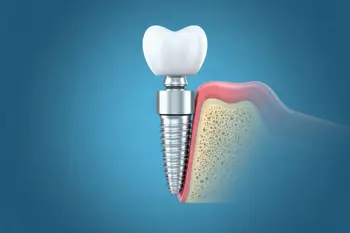
A complete dental implant system consists of three distinct parts that function in tandem to replace a missing tooth 1. The fixture is a threaded post, usually 3.5 to 5 millimeters in diameter and 8 to 16 millimeters in length, that acts as the artificial root embedded within the jawbone 19. The abutment serves as a precision connector that attaches to the fixture and extends through the gum line to provide a stable seat for the restoration 14. Finally, the restoration is the visible prosthetic, such as a ceramic or zirconia crown, which is customized to align with the patient’s existing bite and tooth color 19.
The Clinical Process of Osseointegration
The core of dental implant success relies on osseointegration, a biological process wherein the jawbone grows into the surface of the titanium or ceramic fixture, effectively welding the implant to the skeleton 310. This process is not instantaneous; it requires a healing window typically spanning three to six months 610. During this period, the implant achieves the stability necessary to withstand the forces of chewing 3. Rushing this biological timeline is generally avoided, as the fusion process determines the long-term load-bearing capacity of the restoration 6.
Patient Candidacy and Diagnostic Assessment
Not every patient is an immediate candidate for implant surgery. A thorough clinical assessment is required to evaluate gum health, bone density, and overall medical history 24. The use of 3D cone-beam computed tomography (CBCT) scans is a standard diagnostic practice to map the exact bone volume and identify critical anatomical structures, such as the mandibular nerve or sinus cavities 7815. If imaging reveals inadequate bone volume due to resorption, a bone grafting procedure may be required prior to the placement of the implant fixture to ensure long-term stability 212.
Surgical and Restorative Phases
| Phase | Activity | Estimated Duration |
|---|---|---|
| Consultation | Exam, 3D scan, treatment plan | 1 hour |
| Preparation | Extraction or bone grafting | Varies by complexity |
| Placement | Surgical insertion of post | 1 to 2 hours |
| Integration | Bone fusion period | 3 to 6 months |
| Restoration | Abutment and crown fitting | 30 to 60 minutes |
The total treatment timeline for traditional implants typically ranges from four to nine months, depending on the complexity of the case and the patient's individual healing rate 8. The surgical placement is performed under local anesthesia to ensure comfort, though alternative sedation options are available for patients with specific clinical needs 714. After surgery, patients are often advised to follow a soft-food diet to protect the site during the initial stages of tissue stabilization 17.
Risk Factors and Clinical Outcomes
While long-term success rates are robust, with research frequently reporting outcomes between 95% and 98% over a 10-year period, clinical risks must be considered 614. Potential complications include infection at the surgical site, mechanical failure of components, or nerve injury if the implant is positioned incorrectly in relation to the alveolar nerve 1416. Furthermore, nicotine usage remains a significant risk factor; smoking restricts blood flow and is associated with a higher likelihood of peri-implant complications and integration failure 513.
Long-Term Maintenance and Oral Hygiene
The longevity of a dental implant is heavily contingent upon post-procedural hygiene. While the prosthetic crown is immune to dental caries, the surrounding gum tissue remains susceptible to peri-implantitis, an inflammatory condition similar to periodontitis 516. It is estimated that long-term peri-implant inflammation affects a notable portion of the patient population 5. Consequently, clinicians recommend rigorous daily maintenance routines, including regular flossing and brushing, supplemented by consistent follow-up visits to monitor the health of the bone and soft tissue surrounding the fixture 416.
Sources
- Cleveland Clinic: Dental Implants - Types, Purpose & Benefits
- Acibadem Hospitals Group: What Are Dental Implants? A Step-by-Step Guide
- Acibadem Hospitals Group: How Dental Implants Work: Step-by-Step Guide
- Acibadem Hospitals Group: Dental Implants - Procedure and Parts
- Dr. Shreya Rajkumar: Dental Implants Explained Patient Guide
- Dentique Dental Care: Dental Implant Process - What to Expect
- Maypark Dental Practice: Dental Implant Procedure - A Comprehensive Guide
- Fusion Dental Implants: Dental Implant Procedure - Complete Guide
- Dentalist.ai: Dental Implants Explained - Costs and Candidates
- Dental Country: Dental Implants 2026 - Costs and Patient Guide
- British Dental Health Foundation: Dental Implants
- Mayo Clinic: Dental Implant Surgery Overview
- WebMD: Oral Health Guide - Dental Implants
- American Academy of Implant Dentistry: What Are Dental Implants
- Oral Health Foundation: Dental Implants Information
- Colgate: Dental Implants - What Are They
- Bupa UK: Dental Implants Treatment Care