Tension headaches: 6 approaches to relieve daily discomfort: a UK treatment and cost guide
Key facts
- British guidance describes simple analgesics for individual attacks, while preventive treatment is reserved for selected cases with significant disability. 1
- Private physiotherapy fees in a 2026 UK benchmark were typically £74 for an initial consultation and £63 for follow-up care. 2
- Complete Physio lists London assessment prices from £125 for 45 minutes, with follow-up appointments from £95. 3
- Sudden severe headache, neurological symptoms, confusion, fever with a stiff neck or serious injury require urgent medical assessment. 4
Tension headaches, more formally called tension-type headaches, are commonly associated with pressure or tightening on both sides of the head. Six approaches used in UK care include routine and trigger management, medicines for attacks, preventive medicines, physiotherapy, psychological techniques and specialist assessment. The appropriate combination depends on the diagnosis, frequency, other conditions and medication use, so a qualified healthcare professional should assess persistent or frequent symptoms.
1. Clinical assessment and routine changes
Assessment is the starting point when headaches become frequent, change pattern or interfere with daily activities. A GP or other qualified clinician generally reviews timing, duration, location, associated symptoms, medicines and possible triggers, then performs a physical and neurological examination. Typical tension-type headache is usually pressing or tightening, often bilateral, and not worsened by routine activity. Migraine, medication-overuse headache and secondary causes can resemble it, so diagnosis should not be assumed from pressure alone.
Routine measures may include regular sleep, hydration, meals, physical activity, breaks from sustained desk posture and stress-management practice. A headache diary can help record headache days and acute-medication days, which is particularly important when symptoms occur on many days. NHS inform advises professional advice when frequent headaches affect daily activities or when symptoms worsen despite painkillers. 4 These measures are generally low-risk, but persistent symptoms still require clinical review rather than indefinite self-treatment.
2. Medicines for individual attacks
Simple analgesics can be considered for some individual tension-type headache attacks. British Association for the Study of Headache guidance lists simple analgesics among acute options and notes that reassurance may be sufficient for many people. 1 Depending on age, pregnancy status, allergies, stomach or kidney conditions, other illnesses and medicine interactions, a clinician or pharmacist may discuss paracetamol, ibuprofen or another suitable option. Opioid analgesics are generally unsuitable for routine headache management because of dependence and medication-overuse concerns.
Frequent use is an important limitation. Repeated acute-medicine use can contribute to medication-overuse headache, creating a cycle of more headache days and more treatment. A pharmacist or clinician can review the number of medicine days, dose and combinations, including products bought without prescription. Risks vary: anti-inflammatory medicines can cause stomach, kidney or cardiovascular problems in susceptible people, while paracetamol can damage the liver if dosing limits are exceeded. Individual advice is therefore essential.
3. Preventive medicines for persistent patterns
Preventive treatment is different from an attack medicine. It is taken on a planned schedule to reduce the frequency or impact of persistent headaches, rather than only when symptoms begin. BASH states that prevention is rarely necessary for tension-type headache but can be considered when symptoms cause significant disability. 1 One medicine clinicians may consider is amitriptyline, particularly in chronic tension-type headache, although the choice depends on the diagnosis, other conditions and potential interactions.
Possible adverse effects of amitriptyline include drowsiness, dry mouth, constipation, blurred vision and dizziness. It may be unsuitable or require special caution in some heart, eye, urinary or mental-health circumstances, and abrupt changes should be discussed with a prescriber. Preventive medicines may take review and adjustment, and they do not replace investigation of a changed headache pattern. A qualified professional should explain expected monitoring, interactions, pregnancy considerations and when a different approach is more appropriate.
4. Physiotherapy and physical approaches
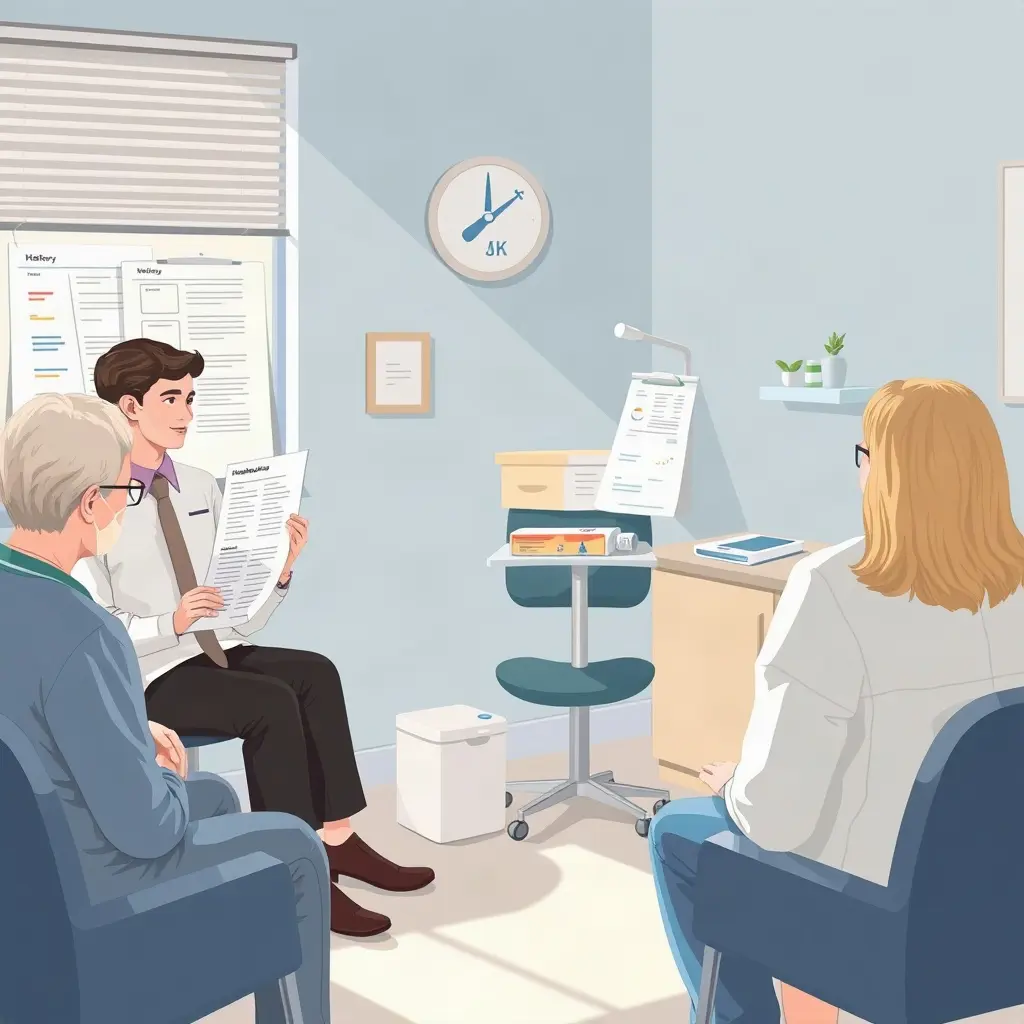
Physiotherapy may be considered when assessment identifies relevant neck, shoulder, jaw, posture or movement factors. Treatment can include education, exercises, mobility work, ergonomic advice and carefully selected hands-on techniques. It is not appropriate to assume that every tension-type headache is caused by muscle tightness, and manipulation or vigorous treatment can be unsuitable when warning signs or certain neck conditions are present. Referral may come through primary care, or assessment may be arranged privately.
Private UK physiotherapy costs vary by region and appointment length. A 2026 benchmark reported a median initial fee of £74 and median follow-up fee of £63, while London initial fees averaged £84.22. 2 Complete Physio lists a 45-minute initial assessment at £125 and 30-minute follow-ups at £95 in its London pricing information. 3 NHS physiotherapy availability and eligibility depend on local services, referral pathways and clinical assessment, so waiting periods cannot be assumed from private fees.
5. Relaxation, psychological and behavioural techniques
Relaxation training, cognitive behavioural techniques and biofeedback can form part of a broader management plan, especially where stress, sleep disruption, anxiety or sustained muscle tension appear relevant. These approaches may teach recognition of tension, paced breathing, relaxation skills, coping strategies and more consistent routines. They are not evidence that symptoms are imagined or purely psychological. Headache assessment should continue to consider neurological, medication-related and musculoskeletal explanations.
Access may involve primary care referral, psychological services, physiotherapy programmes or private practitioners with relevant qualifications. Suitability depends on the person’s preferences, communication needs, coexisting mental-health concerns and the nature of the headache diagnosis. Risks are usually limited, but poorly supervised exercises or techniques can increase distress or physical tension. A qualified clinician should help determine whether this approach fits alongside medicine, physical treatment or specialist review.
6. Headache clinics and specialist referral
Specialist assessment is considered when the diagnosis is uncertain, headaches are difficult to manage, symptoms are chronic, medication overuse is suspected or a neurological opinion is needed. In the NHS, care commonly begins with a GP, followed by referral to neurology or a hospital headache service when clinically indicated. Examples of UK institutions associated with specialist headache expertise in BASH materials include the National Hospital for Neurology and Neurosurgery in London, Hull Royal Infirmary and Queen Elizabeth University Hospital Glasgow. 5
A specialist consultation normally revisits the history, examination, headache-day pattern, medicines and warning signs. Routine brain scans are not automatically required for a typical presentation with a normal neurological examination, but testing may be arranged when findings suggest another cause. Waiting times vary by NHS trust, referral urgency and local capacity. Private specialist or clinical consultations add fees on top of any tests or follow-up, so the total cost depends on appointment length, location and the treatment plan rather than a single standard tariff.
When urgent assessment is needed
Not every pressure-like headache is a tension-type headache. NHS inform advises emergency assessment for a sudden, extremely severe headache, headache after serious head injury, confusion, drowsiness, speech or memory problems, vision problems, severe eye pain, or fever with a stiff neck or rash. 4 Urgent advice is also appropriate for a headache that is progressively worsening, triggered by exertion or posture, or accompanied by weakness, jaw pain while chewing or a sore scalp.
These warning signs do not identify a specific diagnosis, but they change the urgency of assessment. Persistent daily discomfort without red flags still warrants a planned appointment when it affects work, sleep or normal activities, or when painkillers are being used repeatedly. The six approaches are examples of care options, not a complete treatment plan, and a qualified professional should confirm the diagnosis, review risks and coordinate NHS, community or private care.
Sources
- 2.3.3 Tension-type headache management - BASH: https://bash.org.uk/2-3-3-tension-type-headache-management/
- Physiotherapy Prices UK 2026: Average Fees & Private Practice Benchmarks: https://hmdg.co.uk/private-practice-barometer/physiotherapy-pricing-benchmarks-uk-2026/
- Pricing | Complete Physio: https://complete-physio.co.uk/pricing/
- Headaches | NHS inform: https://www.nhsinform.scot/illnesses-and-conditions/brain-nerves-and-spinal-cord/headaches/
- 0.1 Resources - BASH - The British Association for the Study of Headache: https://bash.org.uk/resources/