
NHS audiology referrals: how hearing assessments are arranged in the UK
Accessing audiology services through the National Health Service in the UK follows a structured pathway designed to ensure that those experiencing hearing difficulties receive appropriate diagnostic care and support. The process generally begins at a primary care level before moving to specialized audiology departments where hearing assessments and potential rehabilitation options are explored. Understanding how these referrals work can help patients navigate the system effectively while preparing for their initial appointments.
The Role of General Practitioners in Hearing Referrals
The primary point of entry for most NHS audiology referrals is a visit to a General Practitioner. When an individual notices a decline in their hearing, the first step is usually a physical examination by a GP to rule out simple or temporary causes of hearing loss. Doctors often check for the presence of excessive earwax or signs of infection, which can sometimes mimic permanent hearing loss. If the GP determines that further investigation is necessary, they will formally refer the patient to an audiology clinic or an Ear, Nose, and Throat department.
It is worth noting that some local areas have implemented direct referral systems for audiology services. In these regions, individuals may not necessarily need to see a GP for a standard hearing check, as specific criteria allow for direct access to community-based hearing providers. Patients should consult their local Clinical Commissioning Group or Integrated Care Board guidelines to determine if direct access is available in their specific geographical area. This can streamline the process, potentially reducing the time spent in the initial diagnostic stage.
Understanding the Referral Pathway and Triage
Once a referral is initiated, the information is typically sent to a local hospital or a community audiology provider. At this stage, the referral undergoes a process known as triage, where clinicians evaluate the patient's symptoms based on the information provided by the GP. The purpose of triage is to prioritize patients based on clinical need and to ensure they are directed to the most appropriate setting, such as a specialized clinic for complex cases or a standard department for routine assessments.
Patients are often categorized based on the severity and nature of their hearing concerns. Urgent referrals may be directed toward ENT departments if there are symptoms that suggest underlying pathology, such as sudden hearing loss or associated dizziness. Routine cases are generally scheduled for standard audiology appointments. The waiting times for these appointments can vary significantly depending on the local demand, the availability of audiologists in the area, and the specific diagnostic requirements of the patient.
What to Expect During a Standard Hearing Assessment
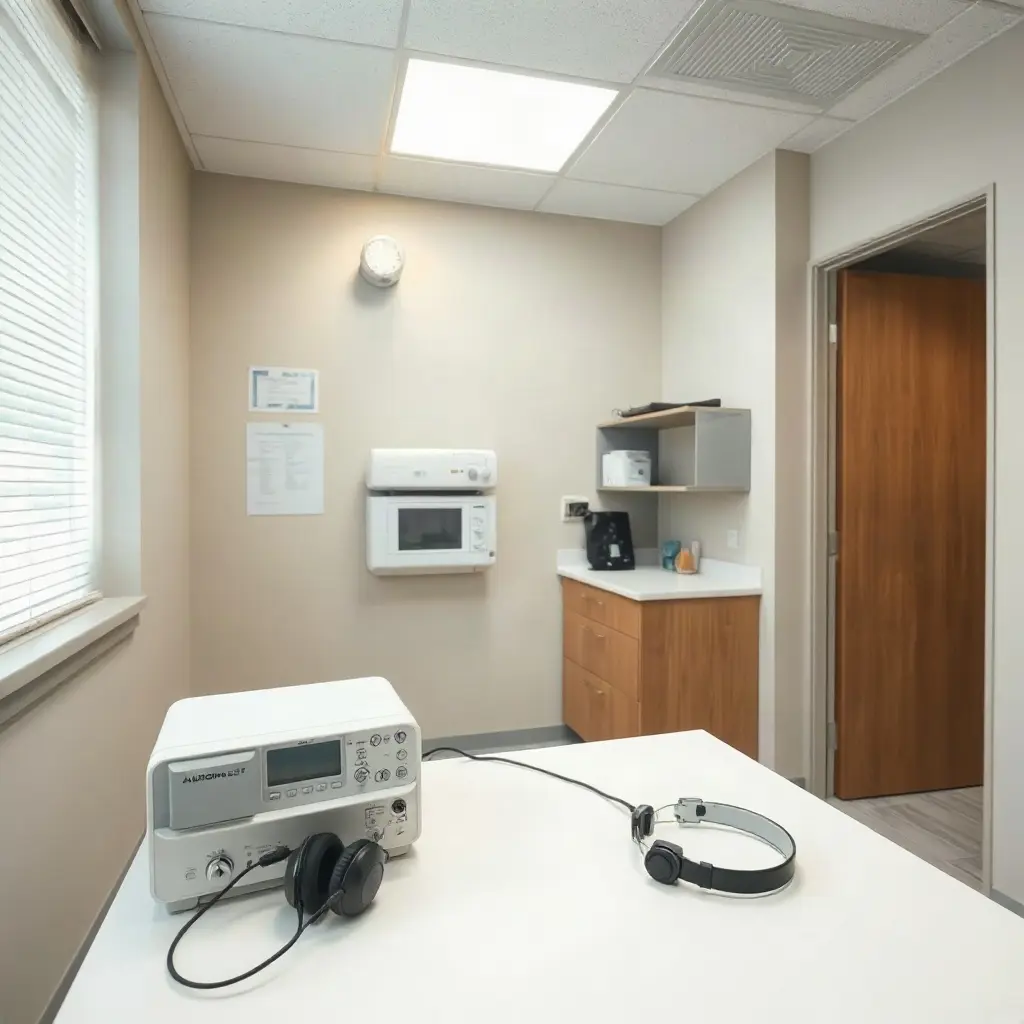
A hearing assessment conducted within the NHS is a multi-step process designed to measure the range and sensitivity of an individual's hearing. The appointment usually begins with an otoscopy, where the audiologist examines the ear canal and eardrum using a specialized light to ensure there are no physical obstructions or conditions that require medical attention before testing can proceed. Following this, the clinician typically performs pure-tone audiometry.
During pure-tone audiometry, the patient wears headphones or inserts and listens to a series of sounds at different pitches and volumes. The goal is to identify the softest level at which the patient can detect each sound, which allows the audiologist to map the hearing threshold across various frequencies. This data is recorded on an audiogram, a graph that provides a visual representation of hearing ability. The entire process is conducted in a quiet or sound-treated environment to ensure accuracy.
Common Diagnostic Procedures and Clinical Evaluations
Beyond the basic audiogram, clinicians may perform additional tests depending on the initial results. Tympanometry is a common procedure used to assess the function of the middle ear and the mobility of the eardrum. This helps the specialist determine if the hearing loss is related to issues like fluid accumulation or pressure problems within the middle ear space. Speech discrimination tests might also be utilized to evaluate how well a patient understands speech at different volume levels, which provides a more practical understanding of how hearing loss impacts daily communication.
The duration of these assessments typically ranges from thirty to sixty minutes. The time required depends on the complexity of the patient's symptoms and whether secondary testing is necessary. Audiologists are trained to explain the findings of these tests clearly and to discuss whether the results indicate a need for further medical intervention or if the patient would benefit from assistive technologies like hearing aids.
Follow-up Care and Rehabilitation Options
If the assessment concludes that a hearing aid would be beneficial, the NHS provides options for digital hearing aids. The fitting process involves programming the devices to match the specific needs identified during the audiological assessment. The audiologist will ensure the devices are comfortable and demonstrate how to insert, clean, and maintain them properly. Follow-up appointments are usually scheduled to fine-tune the settings, as patients often need a period of adjustment to get used to the new sensory input.
Rehabilitation does not end with the provision of a device. NHS audiology departments often offer support services, such as auditory training or communication strategies, to help patients manage hearing loss in challenging environments. These services are designed to improve long-term outcomes and ensure that the patient remains engaged with their community. The focus is on providing a comprehensive care plan that addresses the functional impact of hearing loss on a person's life.
Factors Influencing Service Access and Availability
Several variables can influence the ease and speed with which a patient secures an audiology appointment. Geography is a primary factor, as the availability of specialized clinics varies between urban and rural settings. Public health policies and the specific resources allocated by local health boards also play a role in determining how many clinics are available and what specific types of diagnostic equipment they house. Patients should be aware that while the standard of care is generally consistent, the administrative structure of the local health service can vary.
Those moving through the system should keep accurate records of their communications and any correspondence received from the local provider. If an appointment is significantly delayed or if symptoms change, contacting the GP surgery again is the standard approach to see if the referral details need to be updated or escalated. While the NHS aims to provide timely access, the systemic nature of the referral process means that waiting periods remain a reality that patients should be prepared to navigate patiently.