
Planning a 4-night getaway to Amsterdam with return flights and central hotel: What to Know
Planning a 4-night getaway to Amsterdam with return flights and a central hotel involves more than combining transport and accommodation. The length of the stay affects the flight times, the neighbourhood selected for the hotel and how much of Amsterdam can be seen without rushing.
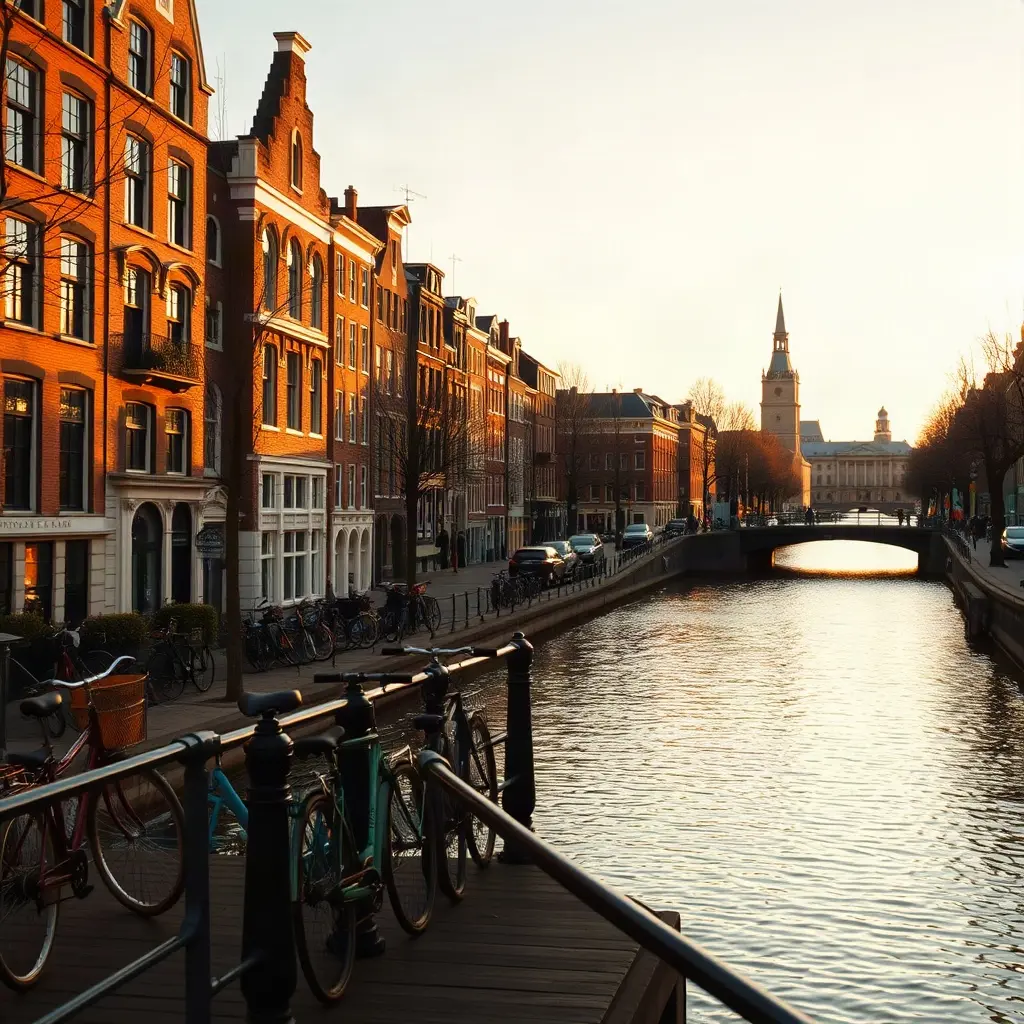
How return flights shape a four-night Amsterdam stay
Return flights generally mean an outward journey to Amsterdam Schiphol Airport and a separate flight home after the final night. Schiphol is the city’s main international airport and has frequent rail connections towards Amsterdam Centraal, making it possible to reach the centre without arranging a private transfer. Travel time between the airport and central Amsterdam is often short, although waiting for luggage, finding the station and reaching the hotel can add to the overall journey.
Flight schedules have a noticeable effect on the usable time in a four-night itinerary. A morning arrival can leave much of the first day available, while an evening arrival may make that day mainly a travel day. The departure time has a similar effect. A late flight can allow a final morning in the city, whereas an early departure may require leaving the hotel before public transport becomes convenient. Baggage rules, airport transfer time and the airport’s recommended arrival window also influence the practical shape of the trip.
Choosing a central hotel area in Amsterdam
“Central hotel” can describe several areas rather than one precise location. Hotels around Amsterdam Centraal provide easy access to trains, trams and canal districts, while properties in the Canal Ring place many historic streets within walking distance. De Pijp, Jordaan and the Museum Quarter are also central in a broader sense, but they offer different surroundings and may require a longer walk or a tram journey to reach the station.
The most suitable area depends on the balance between transport and atmosphere. The station area is practical for airport transfers and day trips, but it can be busy. The Canal Ring is close to galleries, restaurants and historic buildings, although some streets are narrow and hotels may be in older buildings with stairs. De Pijp has a lively residential character, while the Museum Quarter is near major cultural institutions. Centrality should therefore be judged by walking time to the places that matter most, not only by the hotel’s address.
What to look for in the accommodation description
- Distance to a tram stop, metro station or Amsterdam Centraal.
- Whether the building has a lift, since some historic properties have steep staircases.
- Room size, air-conditioning arrangements and street noise, especially in busy districts.
- Reception hours and the process for arrivals outside standard daytime hours.
- Local taxes or other charges that may be handled separately from the room rate.
What a four-night itinerary can realistically include
Four nights usually provide around three full sightseeing days, plus partial time on arrival and departure days. Amsterdam’s compact core makes it possible to visit several major areas on foot, but museums, neighbourhoods and canal-side walks can take longer than expected. A measured itinerary usually combines one main attraction or district with nearby activities rather than crossing the city repeatedly.
The first evening is often suited to a short orientation walk around the hotel and a canal area. One full day can focus on the historic centre and the canal belt. Another can be devoted to the Museum Quarter, where the Rijksmuseum, Van Gogh Museum and Stedelijk Museum are located. A third day might cover Jordaan, De Pijp, the Eastern Docklands or a nearby town, depending on interests and weather. Museum entry times may be timed, and popular cultural sites can have limited capacity, so the schedule benefits from allowing space between fixed activities.
Getting around Amsterdam during the stay
Walking is useful for many central journeys, but Amsterdam’s streets are shared by pedestrians, bicycles, trams and other vehicles. Dedicated cycle lanes can be busy, and visitors unfamiliar with local traffic patterns should avoid standing in them or stepping into them without looking. Canal bridges and uneven paving can also make short distances feel slower with luggage or uncomfortable footwear.
Trams, buses, metro services and trains cover the wider city. Contactless travel options and public transport tickets are commonly available, but the payment method and rules can differ between services. A transport pass may suit a schedule with several daily journeys, while occasional travellers may prefer individual fares. Taxis are available, though road congestion can make them slower than rail or tram travel on some central routes.
Planning meals, museums and evening time
Amsterdam offers a wide range of food, from Dutch specialities and Indonesian cuisine to modern European restaurants and informal cafés. Dining patterns vary by neighbourhood, and some small venues have limited seating. The central area has many choices, but streets around the main station can be busier and more oriented towards passing visitors than residential districts such as Jordaan or De Pijp.
Evenings can include a canal walk, a concert, a museum programme or a relaxed meal. Cultural venues often operate on different schedules, and some close earlier than visitors expect. It is useful to treat one or two activities as the fixed points of each day while keeping the rest flexible. This leaves room for weather changes, queues, delayed flights or the simple need for a slower pace after a day of walking.
Seasonal conditions and practical requirements
Amsterdam’s weather can change quickly, with rain and wind possible in every season. Spring and summer generally bring longer daylight hours, while autumn and winter offer shorter days and cooler conditions. Comfortable waterproof footwear and a light outer layer are practical choices, particularly because many attractions involve outdoor walking between indoor visits.
Travel documents depend on nationality, the passport being used and the rules in force for the Schengen Area. Some visitors may need a visa or an electronic travel authorisation, while others can enter for short stays under visa exemption rules. Requirements can also apply to passport validity, travel insurance and evidence of onward travel. These matters are separate from the flight and hotel arrangement and should be considered before the journey.
Common risks in a central Amsterdam itinerary
Central accommodation can mean more street activity, nightlife noise and pedestrian traffic than hotels outside the core. Older buildings may have compact rooms, narrow staircases and less sound insulation. A central address also does not necessarily mean every attraction is nearby, since Amsterdam’s districts extend beyond the canal belt.
Visitors should also keep personal belongings secure in crowded transport areas and remain alert around cycle lanes. Canal edges can be slippery or poorly lit at night, particularly in wet conditions. A four-night visit works best when transfer times, museum entry periods and rest are treated as part of the itinerary rather than as interruptions. That approach leaves enough flexibility to experience the city while still making practical use of the return flights and central hotel location.