The Essential Fashion for Gen Z in 2026: A Comprehensive Analysis of What Young Consumers Are Actually Wearing
Gen Z fashion in 2026 is defined by a clear departure from the constant reinvention that characterized earlier trend cycles. Instead of chasing weekly viral aesthetics, younger consumers are tightening their wardrobes and embracing what has been termed 1 "The Edited Self" a philosophy rooted in wearing fewer pieces more intentionally, with taste driving decisions rather than trends. This shift reflects broader economic anxiety, algorithm fatigue, and a desire for authentic self-expression over performative dressing. The research data reveals that Gen Z is simultaneously embracing nostalgia, sustainability, personalization, and a return to foundational wardrobe principles that prioritize consistency and emotional grounding.
The Capsule Wardrobe Movement and Outfit Repetition
The capsule wardrobe market was valued at $1.3 billion in 2023 and is projected to reach $2.6 billion by 2030, growing at a compound annual growth rate of 10.5 percent 2, signaling a major structural shift in how Gen Z approaches purchasing and wearing clothes. Google searches for "how to capsule wardrobe" increased by as much as 100 percent in the last 12 months 2, demonstrating that this is not merely a niche aesthetic choice but rather a mainstream response to economic pressure and decision fatigue. Outfit repetition is on the rise, with younger consumers deliberately wearing the same core pieces in different combinations to build confidence through consistency rather than novelty. This approach directly contradicts the fast-fashion model that emphasizes constant acquisition and seasonal wardrobe overhauls.
The preference for repetition and curation extends to how Gen Z shops and sources pieces. Rather than purchasing from traditional seasonal collections, many are remixing archival items, shopping secondhand, and investing in pieces with longevity. The strategy prioritizes cost-per-wear and emotional attachment over trend cycles, making resale platforms and vintage shopping integral to the wardrobe-building process. This mindset has revitalized the secondhand market, with confidence coming from consistency and personal curation rather than from owning the newest items.
Silhouettes Dominating 2026: Oversized, Baggy, and Statement Denim
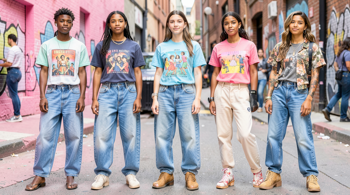
Oversized and baggy silhouettes remain central to Gen Z fashion in 2026, reflecting both comfort prioritization and a rejection of body-conscious dressing 3. The denim landscape in particular has expanded dramatically, with brands offering diverse fits including oversized styles, baggy barrels, and relaxed straight cuts that allow for individual interpretation 4. Women's denim collections feature styles such as the Kaia Baggy, Sammy Straight, Ronnie Baggy Barrel, and Alana Flare, while men's options range from the Dylan Baggy to the Ultra Baggy fit, emphasizing that style is deeply personal and not confined to a single silhouette 4. These pieces are styled with graphic tees, layered pieces, and easy layers designed to work across contexts from first-period classroom to after-school plans.
Beyond denim, oversized hoodies, baggy "puddle" jeans, cropped baby tees, and multi-pocket cargo pants have become wardrobe staples 5. The emphasis on relaxed, functional silhouettes reflects a broader "Gorpcore" aesthetic movement where outdoor-inspired, practical clothing merges with everyday wear. This approach allows Gen Z to prioritize comfort without sacrificing style intention, a balance that earlier fast-fashion models rarely offered.
Color and Print Rebellion: Rejecting the All-Black Uniform
A significant cultural shift is underway regarding color usage in Gen Z fashion. UK arrivals of black knitwear in the final quarter of 2025 experienced across-the-board reductions at major retailers including Zara, H&M, Mango, Pull&Bear, and Bershka 6, suggesting that the all-black aesthetic that dominated millennial minimalism is losing cultural currency among younger consumers. Instead, Gen Z is embracing highly saturated, haphazardly matched dressing with technicolor wardrobes featuring bold, contrasting colors and maximalist print combinations 6. This palette shift represents a direct rejection of the restraint and monochromatic aesthetic that previously signaled taste and fashion literacy.
Graphic T-shirts have made a high-fashion comeback as a vehicle for this color and print expression. Once synonymous with early-2000s tabloid culture, graphic tees are now being incorporated into considered, fashion-forward outfits that pair statement prints with modern tailoring 7. A sequined "I Love NY" T-shirt styled with tweed suiting at Chanel's Métiers d'Art collection exemplified how graphic tees are being elevated, while celebrities including Jennifer Lawrence and Sabrina Carpenter have been spotted wearing vintage band tees from Junk Food Clothing 7. The rise also extends to minimalist typography and custom apparel, where message-based fashion allows for personal statement-making without relying on logomania.
Footwear Trends: From Flats to Kitten Heels and Summer Boots
After years of vocal opposition to heels, Gen Z appears to be embracing a "gateway heel" in the form of the kitten heel flip-flop, typically measuring around 1.5 inches or the height of a triple-A battery 8. The style has been visible on trendsetters including Hailey Bieber and model Kaia Gerber, and has featured extensively in TikTok "fit-checks," signaling a subtle shift in footwear philosophy while maintaining the generation's core comfort prioritization 8. This represents a genuine evolution in preference rather than a full capitulation to heel culture.
Simultaneously, summer boots have become increasingly normalized among Gen Z, with the generation wearing the same footwear year-round regardless of season. Cowboy boots, biker boots, and campus boots from brands like Frye saw exceptionally strong demand and double-digit growth even as dupes flooded the market 9. The boot-with-bare-legs styling philosophy demonstrates how Gen Z constructs outfits from personal preference and silhouette balance rather than seasonal convention. Short Ugg slippers also remain a go-to shoe choice for the generation 10, maintaining the comfort-first ethos across all footwear categories.
Micro-Trends and Unexpected Accessories Defining Summer 2026
Summer 2026 features seven dominant micro-trends that showcase Gen Z's eclectic approach to styling: carpenter work belts, micro watches, board shorts, lattice jelly flats, layered T-shirts, shield glasses, and statement denim 11. These trends reflect a broader philosophy of mixing functional, nostalgic, and fashion-forward pieces in unexpected combinations. Tied sweaters continue as one of the simplest ways to add chic flair while remaining practical during warmer months 12, and 90s-inspired aesthetics including bandanas, low-rise silhouettes, and color-saturated combinations remain persistent.
One of the most unexpected accessories to emerge is the deliberate styling of wired earphones as visible fashion pieces rather than functional tech to be hidden 13. White wires drape from ears like layered chains, peek out from under hoodies, or fall neatly over structured blazers, adding movement and nostalgic visual interest to outfits. This styling choice represents Gen Z's broader inclination to bring overlooked, utilitarian items into focus as intentional style components, whether plugged in or not.
Values-Driven Purchasing: Sustainability, Heritage, and Personal Brand Building
Gen Z's fashion choices are increasingly shaped by a tension between economic pressure and values-driven consumption. More than 80% of Gen Z report that money-related concerns are causing stress 14, yet many still expect brands to reflect their values regarding sustainability, inclusivity, and ethical production. This creates a market where consumers justify investing heavily in items with strong brand recognition and social currency, such as a $550 Coach purse that photographs well on social media, while cutting back on consumables or experiential spending 14. Social media functions as a personal brand resume, and purchasing decisions reflect awareness that all acquisitions are subject to immediate public scrutiny and judgment.
Heritage and brand authenticity have become increasingly important to Gen Z fashion consumers. The generation values brands that maintain their original design DNA and founder vision rather than those that are acquired by larger corporations and rebranded for mass appeal 15. Consumers recognize when commercial strategy has replaced brand ethos, and this awareness directly influences loyalty and purchase decisions. Gender-neutral and unisex fashion represents another critical value category, with inclusive sizing and diverse representation driving brand loyalty across demographics 16. For Gen Z, fashion is fundamentally about personal expression and alignment with genuinely held values, not conformity to aesthetic trends.
Physical Retail, Social Media Influence, and The De-Influenced Movement
Despite being the most digitally native generation in history, Gen Z demonstrates a stronger preference for physical retail than the general population. More than one in five Gen Z consumers (22%) shop in a clothing store at least once a month, double the proportion of the general population (11%) 17. Around half of Gen Z (51%) say they browse in stores to see what's available, compared to 42% of all U.S. adults, and 15% of Gen Z report seeing something online and then purchasing it in-store, compared to 10% of the general population 17. This suggests that digital discovery and physical retail experience remain complementary rather than opposed.
However, a countermovement called "De-Influenced Girl Summer" is gaining traction, reflecting fatigue with algorithm-driven aesthetics and aesthetic churn. Basic long sleeves are up 43%, beige is up 19%, and pastels are up 20%, while hot pink declines and logomania falls 28% 18. This shift signals a cultural pullback from overstimulation, where individuality becomes the aesthetic itself rather than adherence to trending color palettes or themed seasons. Gen Z is consciously stepping back from the constant pressure to participate in viral trends, instead prioritizing self-direction, authenticity, and emotional clarity in their fashion choices.
Sources
- Depop 2026 Trend Report: "The Edited Self"
- Strategic Market Research: Capsule Wardrobe Market Analysis 2023-2030
- The Apparel Factory: Gen Z Fashion Trends 2026 Silhouette Guide
- PacSun Back-to-School 2026 Campaign: Denim Assortment Analysis
- Kittl: 30 Gen Z Fashion Trends Dominating 2026
- Vogue Business: Gen Z Turning Its Back on Black Fashion Trend
- WWD: How the Graphic T-Shirt Made a High Fashion Comeback
- The Guardian: Kitten Heel Flip-Flops Trend Analysis
- Vogue: Summer Boots Trend Among Gen Z
- Business Insider: What Gen Z Is Into This Year 2026
- Who What Wear: Gen Z Summer Micro-Trends 2026
- Teen Vogue: 19 Fashion Trends You'll See in Summer 2026
- Times Now: Wired Earphones as Fashion Accessory 2026
- Los Angeles Times: Always On, Always Judged - Gen Z Shopping Habits
- Inside Retail Australia: Why Heritage Is Winning Gen Z's Attention in Fashion
- YouGov: Gen Z Apparel Shopping Behavior Analysis
- YouGov Profiles: Gen Z vs General Population Retail Preferences
- Enstyle: De-Influenced Girl Summer Report