
Coastal drive to San Diego including 4 nights of hotel accommodations: A Research-Based California Route Briefing
A coastal drive to San Diego including 4 nights of hotel accommodations can be organized as a southbound California itinerary with overnight bases in Monterey, Cambria or the surrounding Central Coast, Santa Barbara, and La Jolla. The route combines Highway 1 and U.S. Route 101, linking coastal scenery, historic sites, aquariums, state parks, and San Diego viewpoints. 1
Route structure and travel logic
The proposed four-night sequence begins in Monterey, continues through Big Sur and San Simeon toward Cambria, then reaches Santa Barbara before ending in San Diego. This structure divides a long coastal journey into regional segments rather than treating the drive as a single transfer. California travel guidance identifies Monterey, Big Sur, San Luis Obispo County, Santa Barbara, and San Diego as major areas along the Pacific Coast Highway corridor. 1
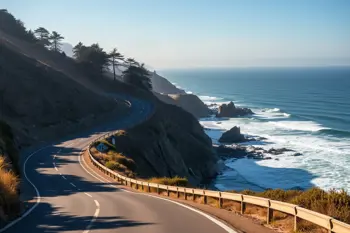
Southbound travel is particularly useful for viewing the Pacific from the road and accessing legal coastal viewpoints, although the route should not be treated as continuously open or uniformly fast. Highway 1 may be affected by landslides, construction, weather, and other temporary disruptions, with the Big Sur corridor requiring especially careful planning. Caltrans provides current project and travel information for the Central Coast. 2
Night one: Monterey
Monterey is the first overnight base because it combines a walkable waterfront setting with a major marine attraction. The Monterey Bay Aquarium is located on Cannery Row and is identified by its official visitor information as a central destination in the city. A visit can provide structure to the first day, while the surrounding waterfront offers a coastal setting before the drive continues south. 5
Monterey Plaza Hotel is a suggested accommodation for the first night and is described by its official site as a waterfront Monterey property. It should be treated as an itinerary example rather than a guaranteed accommodation choice. Room availability, rates, parking arrangements, and policies vary by season, weekends, holidays, and local events, so those details require direct verification before travel. 9
Night two: Big Sur, San Simeon, and Cambria
The second driving segment covers some of the route's most concentrated scenery. Julia Pfeiffer Burns State Park is known for McWay Falls and coastal redwood scenery, making it a significant Big Sur stop. Hearst Castle near San Simeon provides a contrasting historic attraction, but its official visitor information includes tour planning and reservations, so entry should not be assumed without checking current arrangements. 3 4
Cambria is a practical second-night area after visiting Big Sur or Hearst Castle, particularly when the itinerary prioritizes a manageable continuation rather than an extended inland detour. The research also identifies Fess Parker's Wine Country Inn in Los Olivos as a possible Central Coast accommodation reference, although Los Olivos is inland and not the same base as Cambria. The distinction matters when estimating road time and access to coastal stops. 10
Night three: Santa Barbara
Santa Barbara serves as the third overnight base between the Central Coast and San Diego. Its waterfront, downtown, visitor areas, and nearby coastal communities provide several types of activities without requiring the itinerary to depend on one attraction. Official city information covers waterfront services, visitor areas, and local points of interest, supporting Santa Barbara's role as a regional stop rather than merely a place to sleep. 6
Hotel Californian is the suggested Santa Barbara accommodation and is located in the downtown area near the waterfront, according to its official property information. The hotel is included here as a planning reference, not as an endorsement or indication of current inventory. Accommodation selection should account for parking, vehicle access, cancellation terms, and the practical effect of local events on room availability and rates. 11
Night four: La Jolla and San Diego
The fourth night can be based in La Jolla, allowing the final portion of the drive to focus on San Diego's coastal communities rather than ending only at an inland arrival point. La Valencia Hotel is identified in the research as a historic oceanfront property in La Jolla. Its location makes it a possible final-night base, while the broader San Diego area offers beaches, harbor scenery, and visitor attractions. 12
La Jolla should not be confused with downtown San Diego when evaluating distance, parking, or evening plans. San Diego Tourism Authority information covers the city's coastal communities and travel-planning context, but it does not establish live hotel availability or fixed rates. Seasonal demand, local events, vehicle storage, and property policies can materially change the practical cost and convenience of the final night. 7
Final-day coastal stops and operating risks
Cabrillo National Monument is a suitable final-day coastal stop on the San Diego peninsula. The National Park Service identifies the site as offering views of the Pacific Ocean, San Diego Bay, and the city. It can add a geographically distinct conclusion to the itinerary, although visitors should account for the peninsula location and avoid assuming that every San Diego attraction lies along one compact waterfront route. 8
The principal operational risk is changing road access, especially around Big Sur. Caltrans information should be checked close to departure and during the journey because temporary closures, work zones, or weather-related changes can alter the planned Highway 1 sequence. Attraction entry also creates planning friction: Hearst Castle tours may require advance arrangements, and hotel conditions vary by date. These constraints make flexibility more important than filling every stop. 2 4
Four-night plan at a glance
| Night | Primary base | Planning focus |
|---|---|---|
| 1 | Monterey | Cannery Row and Monterey Bay Aquarium |
| 2 | Cambria or Central Coast | Big Sur, McWay Falls, and Hearst Castle |
| 3 | Santa Barbara | Waterfront, downtown, and nearby coastal communities |
| 4 | La Jolla or San Diego area | Coastal neighborhoods and final-day viewpoints |
This arrangement is a framework, not a fixed package. Monterey Plaza Hotel, Fess Parker's Wine Country Inn, Hotel Californian, and La Valencia Hotel are named accommodation references from the research, but rates, room types, availability, parking, and policies must be confirmed directly. The route also permits substitution of another property in the same geographic area when road conditions, personal priorities, or overnight capacity make that more appropriate. 9 10 11 12
Sources
- Visit California
- California Department of Transportation
- California State Parks
- Hearst Castle
- Monterey Bay Aquarium
- City of Santa Barbara
- San Diego Tourism Authority
- National Park Service, Cabrillo National Monument
- Monterey Plaza Hotel
- Fess Parker Wine Country Inn
- Hotel Californian
- La Valencia Hotel