Chihuahua rescue dogs for adoption near you: A guide to the process and considerations
Key facts
- Adoption fees for Chihuahuas from shelters and rescues in the United States typically range from 50 USD to 500 USD 1 2.
- Reputable organizations often require an application, home check, and potential interviews as part of their standard adoption process 1.
- Adoption fees generally cover essential services such as vaccinations, microchipping, and spay or neuter procedures 2.
- Potential adopters should verify a rescue organization's reputation and ask for medical or behavioral history before proceeding with an adoption 2.
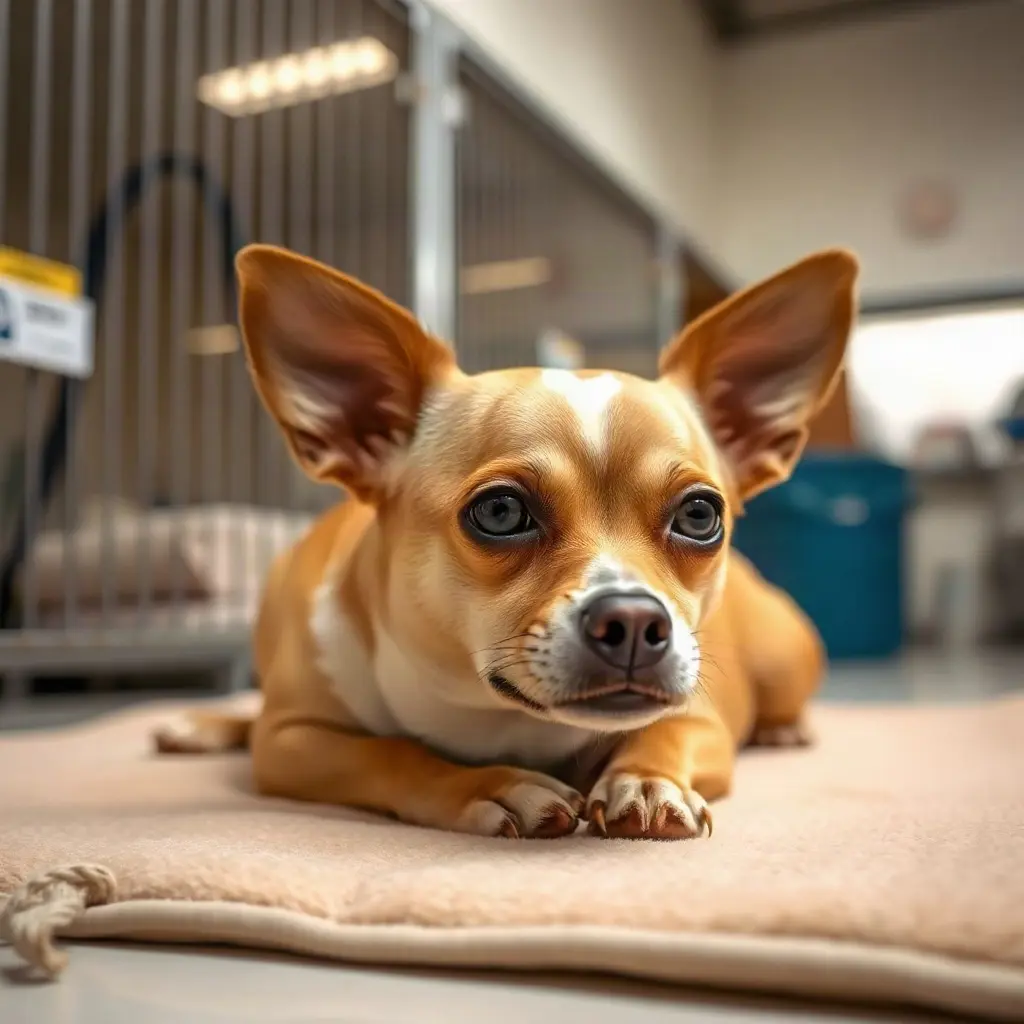
Finding a Chihuahua to bring into your home through a rescue organization or local shelter is a process that balances finding a compatible companion with the mission of providing a new life to a dog in need. Because Chihuahuas are frequently surrendered to shelters for various reasons, including changes in household circumstances, many rescue groups specialize in the breed. Locating available dogs involves navigating a mix of municipal shelters and private, foster-based rescue networks that operate across the United States 1.
Locating Chihuahua Rescue Organizations Near You
To start your search, you can look for local municipal animal shelters, which are government-run facilities that house animals waiting for adoption. In addition to these, breed-specific rescue organizations and general animal welfare groups often manage networks of foster homes. Foster-based rescues are particularly common for small breeds like Chihuahuas, as they provide an environment where the dogs can live in a home setting while waiting for permanent placement 1.
You can search for these organizations by looking at regional directories or using online pet adoption platforms that aggregate listings from various shelters and rescues in your area. When searching, focus on identifying organizations that provide transparency about their operations, including their 501(c)(3) non-profit status, when applicable. Reputable organizations often maintain an active social media presence or a dedicated website where they post profiles of available dogs, details about their personality, and their specific requirements for potential adopters 3 4.
Understanding the Adoption Process
The adoption process is designed to ensure that the dog and the new owner are a good match for the long term. While procedures vary by facility, you can generally expect to complete a formal application that asks about your living situation, experience with pets, and daily routine. Many rescues also require a home check, which may be conducted in person or virtually, to ensure the environment is safe and suitable for a small dog 1.
Once an application is reviewed, the next steps often include an interview with an adoption counselor and an opportunity to meet the dog. This meet-and-greet is a critical phase, allowing you to observe the dog's behavior and assess how they interact with you in a neutral setting. Some rescues may also ask for personal or veterinary references to confirm you can provide the necessary long-term care for the animal 1.
Typical Adoption Fees and What They Include
Adoption fees are set by the organization to help cover the costs associated with preparing a dog for its new home. In 2026, these fees typically range from 50 USD to 500 USD, depending on the organization's location, the age of the dog, and the veterinary care they have already received 1 2. It is important to remember that these fees are not a purchase price, but rather a contribution toward the organization's operational expenses.
A transparent rescue organization will clearly state what is included in the adoption fee. Generally, this covers basic preventive care, including core vaccinations, microchipping for identification, and sterilization surgery (spaying or neutering). If a dog requires more extensive medical treatment or ongoing management for a health condition, the organization may provide records detailing the care administered and any follow-up steps the new owner should be aware of 5 2.
Assessing Compatibility and Breed Needs
Before adopting, it is helpful to understand the specific needs of a Chihuahua. While they are often considered suitable for apartment living due to their small size, they have distinct temperaments and personality traits. Some Chihuahuas are affectionate and outgoing, while others may be more reserved or protective of their primary human 1 6. Discussing the dog's known history, behavioral quirks, and compatibility with children or other pets with the rescue staff is essential for a successful transition.
Because Chihuahuas are physically small, they are sometimes at higher risk of injury in households with young children or large, active pets. Many rescues have specific policies to ensure the safety of the dog, such as requiring homes without children under a certain age or recommending homes with experience in handling toy breeds 7 6. Being open and honest about your household structure during the application process helps organizations suggest a dog that is the best fit for your lifestyle.
Ensuring a Reputable Adoption Experience
When identifying a potential rescue organization, consider their communication style and willingness to provide information. A reputable organization will be able to tell you about a dog's background, why they were surrendered, and what known behavioral or medical needs they have. They should also provide you with a copy of any available medical records, including history of vaccinations or previous treatments 2.
Be cautious of operations that avoid answering questions, lack a clear process, or seem to prioritize speed over the long-term well-being of the dog. A good organization will prioritize the dog's safety and may have policies for returning the animal to their care if the adoption does not work out. Understanding these policies and feeling comfortable with the organization's approach are key indicators that you are working with a group dedicated to the welfare of their rescue animals 5 2.
Sources
- How to Adopt a Chihuahua: Step-by-Step Guide 2026: https://chihuahuahow.com/chihuahua-adoption-guide/
- Chihuahua Price 2026: Hidden Costs, Scams To Avoid, And What You’ll Really Pay • Chihuahua Friends: https://chihuahuafriends.net/en/health/veterinary-advice-and-expert-tips/chihuahua-price-2026-hidden-costs-scams-to-avoid-and-what-you-ll-really-pay/
- Chihuahua rescue organizations and shelters near me United States adoption guide 2026 - Exa Places: https://exa.ai/library/places?q=288826c451850e57
- Chiquita Chihuahua Rescue, Phoenix, AZ (2026): https://www.voofla.com/US/Phoenix/813445342018943/Chiquita-Chihuahua-Rescue
- Yowley & Corina *a bonded pair* — Chihuahua Rescue of Truckee Meadows: https://www.chirescuetruckeemeadows.com/available-dogs/3wvq1bam1qpwhj0t6crgov273wbnal
- How to Adopt a Chihuahua in Tennessee - Dog Adoption - Dog Academy: https://dogacademy.org/adoption/adopt-a-chihuahua/tennessee/
- Kennedy — Chihuahua Rescue of Truckee Meadows: https://www.chirescuetruckeemeadows.com/available-dogs/qb13do5eymsuonlwpbhkdd829dx1tz