
Find Labrador Retriever rescue dogs and puppies near you today: A Guide to the Adoption Landscape
The Dynamics of Labrador Retriever Rescue Networks
Finding a Labrador Retriever through rescue organizations requires an understanding of how these entities operate within the broader animal welfare ecosystem. Breed-specific rescue groups often function as specialized hubs that manage the intake, veterinary care, and rehoming of Labradors and Lab mixes 1. These organizations frequently collaborate with municipal shelters to provide temporary housing for animals that require more individualized attention or medical rehabilitation than a high-volume facility might accommodate 2. Prospective adopters often find that available dogs range from young puppies needing foundational training to older, mellow adults who have transitioned from previous family homes 9.
Operational models among these groups vary significantly. Some organizations, such as the Golden Gate Labrador Retriever Rescue (GGLRR), manage their own waitlists and pre-screened adopter programs to facilitate placements before animals are even publicly listed 1. Other entities utilize digital platforms to aggregate listings from multiple regional partners, allowing potential owners to filter by breed, age, and location 10. Regardless of the specific platform, the emphasis remains on matching the temperament and energy levels of the dog with the lifestyle and environment of the prospective home 3.
Navigating Adoption Procedures and Eligibility Requirements
The path to adoption typically follows a structured protocol designed to ensure the safety and long-term success of the placement. Most rescue organizations mandate an application process, which serves as the primary mechanism for assessing compatibility between the animal and the applicant's household 3. In many instances, shelters and rescues require verification of housing, such as written confirmation from a landlord that pets are permitted on the property 4. Additionally, the presence of all family members during a scheduled meet and greet is frequently a non-negotiable step to confirm that the animal integrates well with everyone in the residence 4.
Transparency regarding an animal's medical and behavioral background is a cornerstone of responsible rescue practices. Adopters should anticipate thorough disclosures regarding the status of vaccinations, spay or neuter surgeries, and any known health history, such as previous injuries or ongoing conditions that may require specialized care 2. It is also common for organizations to conduct a review of submitted applications in chronological order, with follow-up communication occurring within a specific window, often around 72 hours 3. Potential adopters should be prepared to monitor their digital correspondence, including spam folders, during this review period 3.
Understanding Adoption Fees and Financial Realities
While the act of rescuing an animal is mission-driven, there are associated costs that reflect the expenses incurred by the rescue organization. Adoption fees are standard across most shelters and non-profit groups, and these funds are typically reinvested into the rescue's mission to cover veterinary exams, microchipping, heartworm or flea prevention, and essential vaccinations 5, 6. Fees can vary based on the age of the animal and the specific requirements of the organization; for example, puppies under six months may be subject to different pricing structures than senior dogs 4.
The following table outlines representative fee structures observed across different types of care facilities, illustrating the range of costs that prospective adopters might encounter when evaluating regional options.
| Animal Age Category | Standard Fee Range |
|---|---|
| Puppies (Under 6 months) | $200 - $350 |
| Adult Dogs (6 months to 6 years) | $150 - $415 |
| Senior Dogs (7+ years) | $50 - $100 |
It is important to view these fees not as purchase prices, but as contributions toward the comprehensive care provided to the animal during its time in the rescue's custody. These fees ensure that the dog is prepared for its new home through essential health protocols, including spaying or neutering, which is often a legal requirement in many jurisdictions before an animal can be released to an adopter 4.
Evaluating Breed Traits and Personality Matches
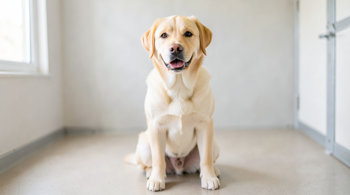
Labrador Retrievers are known for specific personality traits, yet individual rescues often emphasize the importance of looking beyond the breed label. Many organizations, such as GGLRR, explicitly state that their programs include Lab mixes, where the personality and temperament are prioritized over exact physical breed characteristics 1. When considering a rescue Lab, potential owners should look for documentation on the dog’s behavior with other animals, leash manners, and energy levels. For example, some dogs may exhibit high prey drives that necessitate a home with a secure, traditional fenced yard 9.
Younger dogs, such as puppies aged nine weeks to five months, often exhibit high energy and enthusiasm, requiring significant dedication to crate training and basic manners 5, 6, 8. Conversely, older rescues may have established house manners and may even be comfortable with free roam of the home. Rescue staff and foster parents provide invaluable insights into these day-to-day behaviors, allowing adopters to identify a pet that fits their activity levels-whether they seek an active companion for outdoor adventures or a more mellow dog for quiet home life 9.
Available Resources for Locating Rescue Organizations
Identifying legitimate, reputable sources for dog adoption is a critical step for prospective pet owners. National platforms serve as clearinghouses for information, allowing users to aggregate listings from geographically dispersed shelters and rescue groups 11. The American Kennel Club (AKC) Rescue Network is one such resource that maintains a directory of breed-specific rescue organizations dedicated to the welfare of Labrador Retrievers 14. Similarly, the Labrador Retriever Club offers resources and contact information for organizations specializing in the breed 15.
For those seeking localized options, resources like 24Petconnect, Petango, and Petfinder provide searchable interfaces where users can apply filters based on location and breed preference 11, 19, 20. While these digital tools are effective for discovery, the Humane Society of the United States and the ASPCA consistently recommend direct communication with local shelters to verify the most current availability, as the status of adoptable animals can change daily 17, 18. Building a direct relationship with a local rescue can provide long-term support and guidance as the animal settles into its new environment.
Maintenance and Long-Term Considerations
Adoption is a significant commitment that extends beyond the initial placement. Successful integration into a home requires consistent training and a proactive approach to pet ownership. Most rescues prioritize finding environments where the dog will receive adequate exercise, socialization, and medical oversight. Because some rescues are surrendered by families for reasons outside the animal's behavior, many dogs are already well-socialized, yet they still require a period of adjustment to understand the rules and routines of a new household 1.
Adopters should be prepared for ongoing responsibilities, including regular veterinary wellness checks, age-appropriate vaccination boosters, and continued flea, tick, and heartworm prevention 6. Furthermore, those residing in urban areas or specific cities may be required to register their pet with local government entities upon adoption 4. By adhering to the guidelines set forth by rescue organizations and maintaining open communication with foster coordinators, adopters can help ensure a stable and lasting transition for their new companion.
Sources
- Labs Available for Adoption, GGLRR Lab Rescue, https://labrescue.org/labsavailable.html
- Adopt a Labrador Retriever Dog: Bo Fh in Sanford, FL, Adopt'Animaux, https://adoptanimaux.com/en/adoption/dog/sanford/bo-fh
- Adopt a Labrador Retriever Dog: Dory #2 in Aurora, CO, Adopt'Animaux, https://adoptanimaux.com/en/adoption/dog/aurora/dory-2-1
- Adoption, Aurora Animal Care & Control, https://animalcontrol.aurora.il.us/Adoption
- Adopt a Labrador Retriever Dog: Joey Pup in Cuyahoga Falls, OH, Adopt'Animaux, https://adoptanimaux.com/en/adoption/dog/cuyahoga-falls/joey-pup-1
- Adopt a Labrador Retriever Dog: Hudson in Brooklyn Center, MN, Adopt'Animaux, https://adoptanimaux.com/en/adoption/dog/brooklyn-center/hudson-42
- Adopt a Labrador Retriever Dog: Jareth in North Fort Myers, FL, Adopt'Animaux, https://adoptanimaux.com/en/adoption/dog/north-fort-myers/jareth-1
- Adopt a Labrador Retriever Dog: Danube in Brooklyn Center, MN, Adopt'Animaux, https://adoptanimaux.com/en/adoption/dog/brooklyn-center/danube-3
- Luke - Central Indiana Lab Rescue & Adoption, https://cilra.org/labs/luke/
- Petfinder Search, https://www.petfinder.com/search/dogs-for-adoption/
- Adopt a Pet Nationwide Search, https://www.adoptapet.com/
- Rescue Me Labrador Retriever Directory, https://lab.rescueme.org/
- AKC Rescue Network, https://www.akc.org/akc-rescue-network/
- The Labrador Retriever Club Rescue, https://thelabradorclub.com/rescue/
- Best Friends Animal Society, https://bestfriends.org/
- ASPCA Adoption, https://www.aspca.org/adopt-pet
- Humane Society of the United States, https://www.humanesociety.org/resources/adopting-animal-shelter
- 24Petconnect, https://24petconnect.com/
- Petango Adoption Search, https://www.petango.com/