Alopecia Areata Early Symptoms: How to Recognize the First Signs
Facts:
- Alopecia areata affects about 2% of the population at some point.
- Understanding triggers is a key trend for those with alopecia areata.
Decoding the Initial Clues of Alopecia Areata
Spotting the initial signs of hair loss can be unsettling, but understanding what you're looking for is the first step toward management and peace of mind. The primary challenge is often learning to recognize early symptoms of alopecia areata, a condition where the immune system mistakenly attacks hair follicles. These signs can be subtle and are not always confined to the scalp. This guide is designed to provide a comprehensive overview of alopecia areata early symptoms, helping you identify them promptly and understand the nature of this autoimmune condition. Gaining this knowledge is crucial for seeking timely advice from a healthcare professional.
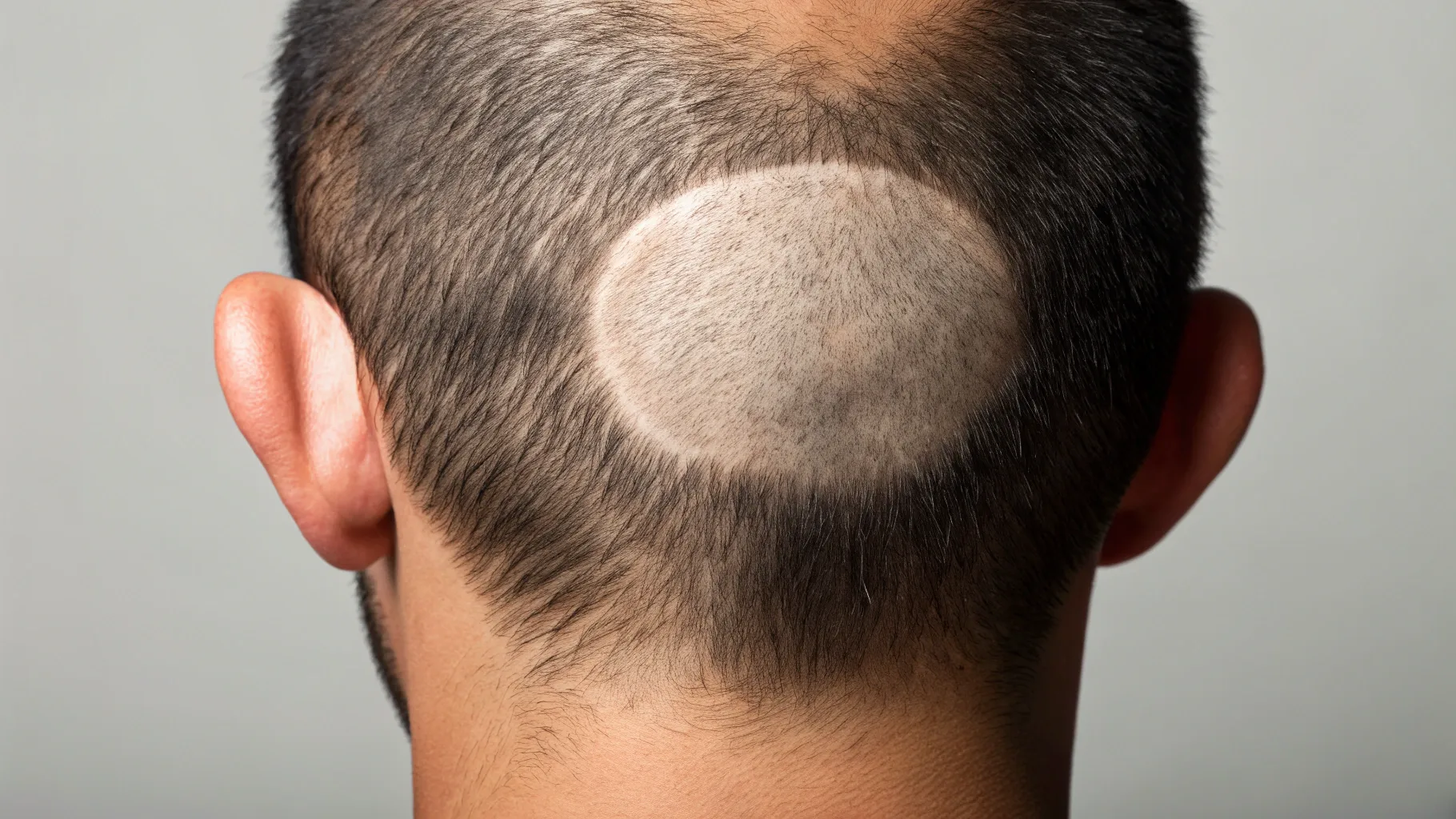
The Signature Sign: Smooth, Round Patches of Hair Loss
The most classic of all alopecia areata early symptoms is the sudden appearance of one or more small, round or oval-shaped bald patches on the scalp. These patches are typically about the size of a coin and are distinguished by their smoothness. Unlike some other forms of hair loss, the skin in these areas usually looks completely normal, without any signs of scarring, redness, or scaling. It's a key detail to recognize early symptoms of alopecia areata. The hair loss happens relatively quickly, often over a period of just a few days or weeks. Sometimes, individuals may experience a tingling or itching sensation in the area right before the hair falls out, but many people feel nothing at all. These patches can appear anywhere on the scalp and may sometimes overlap as new patches form.
Exclamation Mark Hairs: A Microscopic Clue
One of the more definitive, though less obvious, alopecia areata early symptoms is the presence of what are known as 'exclamation mark hairs.' These are short, broken hairs that are narrower at their base, closer to the scalp, and then widen towards the top, resembling a tiny exclamation point. They are often found around the edges of a new bald patch. To an untrained eye, they can be difficult to spot, but a dermatologist can easily identify them using a dermatoscope. Their presence is a strong indicator of active disease, as it shows that the hair follicles are being affected by the autoimmune process. Learning to recognize early symptoms of alopecia areata includes being aware of these subtle but significant changes in hair texture and form at the periphery of the hair loss area.
Beyond the Scalp: Symptoms on the Face and Body
While the scalp is the most common site, it's important to remember that alopecia areata can affect any hair-bearing area of the body. Therefore, to fully recognize early symptoms of alopecia areata, one must look beyond the head. Hair loss can occur in the eyebrows, eyelashes, beard area in men, and on the arms, legs, and other parts of the body. The pattern is similar: the sudden appearance of smooth, non-scarring bald patches. For some, the initial sign might not be on the scalp at all, but rather a small patch missing from an eyebrow or beard. This widespread potential is why the condition's impact can vary so greatly from person to person. Observing unexpected hair loss in these areas is a critical part of identifying alopecia areata early symptoms.
Nail Changes: The Overlooked Symptom
An often-overlooked aspect of identifying alopecia areata early symptoms involves looking at the fingernails and toenails. A significant number of people with alopecia areata experience changes to their nails, which can sometimes appear even before hair loss begins. The most common nail issue is pitting – tiny, shallow dents on the surface of the nail. Other signs can include white spots or lines (leukonychia), nail thinning, splitting, or a rough, sandpaper-like texture (trachyonychia). These nail changes occur because the same autoimmune response that targets hair follicles can also affect the nail matrix. Paying attention to your nails can provide another crucial clue to help recognize early symptoms of alopecia areata.
Actionable Steps After Identifying Symptoms
If you believe you recognize early symptoms of alopecia areata, it's important not to panic. The condition is unpredictable, and for many people, hair regrows on its own within a year. However, seeking a professional diagnosis is a crucial next step. Here's what you should do:
- Consult a Dermatologist: A dermatologist is a specialist in skin, hair, and nails and can provide an accurate diagnosis. They can distinguish alopecia areata from other types of hair loss.
- Document Your Symptoms: Keep a log of when you first noticed the hair loss, how it has progressed, and any other symptoms you've experienced, like nail changes or scalp sensations. This information will be valuable for your doctor.
- Avoid Unproven 'Cures': Be wary of products that promise a quick fix. Alopecia areata is an autoimmune condition, and its treatment should be guided by a healthcare professional who can discuss scientifically-backed options like topical steroids or other therapies.
- Seek Support: Connecting with others who have the condition can be incredibly helpful. Organizations like the National Alopecia Areata Foundation (NAAF) offer resources and support networks.
Frequently Asked Questions
What are the most common alopecia areata early symptoms?
The most common of the alopecia areata early symptoms are small, round, smooth bald patches on the scalp. These patches appear suddenly and are usually the size of a coin. Another key sign can be 'exclamation mark hairs' at the edge of the patch.
Can you recognize early symptoms of alopecia areata without scalp hair loss?
Yes, absolutely. Sometimes the first signs appear elsewhere. You might recognize early symptoms of alopecia areata as a new bald patch in your eyebrows, eyelashes, or beard. Nail changes like pitting or roughness can also precede any noticeable hair loss.
Is itching a common early symptom of alopecia areata?
While not universal, some individuals report a mild itching, tingling, or burning sensation on the skin just before a patch of hair falls out. However, many people experience no physical sensation at all, making the hair loss the only symptom.
How quickly do the early symptoms of alopecia areata progress?
The progression varies widely. A single patch may appear and regrow without further incident. In other cases, several patches may develop over a few weeks. It's an unpredictable condition, which is why monitoring the alopecia areata early symptoms with a dermatologist is recommended.
References
- National Institute of Arthritis and Musculoskeletal and Skin Diseases (NIAMS)
- American Academy of Dermatology (AAD)
- The National Alopecia Areata Foundation (NAAF)
- Journal of the American Medical Association (JAMA) Dermatology