
Anxiety vs. Depression: Understanding the Key Differences
Anxiety and depression are two of the most common mental health concerns worldwide. It's easy to confuse them, as they often share similar symptoms and can even occur at the same time. However, they are fundamentally different conditions with distinct core features. Clarifying these differences is crucial for understanding what someone might be experiencing and for identifying appropriate paths toward management and treatment.
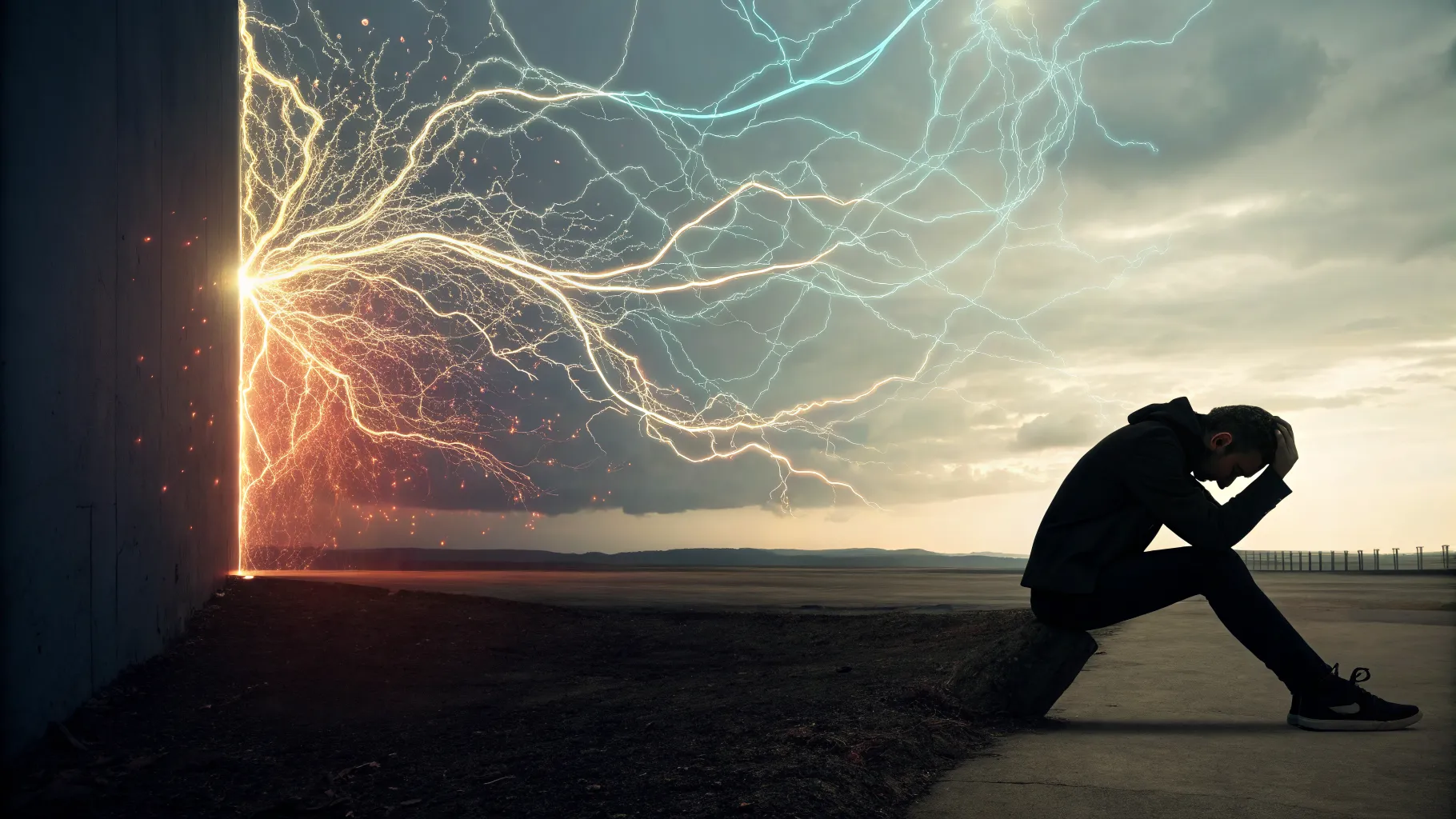
What is an Anxiety Disorder?
Anxiety is a natural human emotion that involves feelings of tension, worried thoughts, and physical changes like increased blood pressure. However, when these feelings become excessive, persistent, and interfere with daily life, it may be an anxiety disorder. The core of an anxiety disorder is often an intense, excessive, and persistent worry and fear about everyday situations.
The focus of anxiety is typically on the future, characterized by a sense of dread about potential negative events. This can manifest physically through symptoms like a racing heart, rapid breathing, sweating, and trembling. Common types of anxiety disorders include Generalized Anxiety Disorder (GAD), Panic Disorder, and Social Anxiety Disorder, each with its own specific triggers and patterns of symptoms.
What is Depression?
Depression, clinically known as Major Depressive Disorder (MDD), is a mood disorder that causes a persistent feeling of sadness and a loss of interest in activities you once enjoyed. It affects how you feel, think, and behave and can lead to a variety of emotional and physical problems. Unlike temporary feelings of sadness, clinical depression is long-lasting and can significantly impair a person's ability to function at work or school and to handle daily responsibilities.
The core symptoms of depression include a depressed mood, diminished pleasure in almost all activities (anhedonia), significant weight loss or gain, insomnia or hypersomnia, fatigue or loss of energy, feelings of worthlessness, and difficulty concentrating. The emotional state is often oriented toward the past or present, focusing on feelings of hopelessness, guilt, and emptiness.
Key Differences in Core Symptoms
While both conditions can make it hard to get through the day, their primary emotional drivers are different. The main distinction lies in the dominant emotion: for anxiety, it's fear and worry; for depression, it's sadness and hopelessness.
Here are some key distinctions to consider:
- Energy Levels: Anxiety is often characterized by a state of high arousal, restlessness, and being 'keyed up' or on edge. In contrast, depression typically involves a significant lack of energy, lethargy, and psychomotor slowing, where thoughts and physical movements become sluggish.
- Emotional Focus: A person with anxiety is often preoccupied with future threats and what-ifs, leading to avoidance behaviors. Someone with depression tends to dwell on negative past events or current feelings of emptiness, leading to withdrawal and isolation.
- Motivation: In depression, a loss of interest and motivation is a primary symptom, making it difficult to engage in any activity. With anxiety, a person might still be motivated to do things but is held back by fear or the overwhelming physical symptoms of their worry.
Symptom Overlap and Co-occurrence
The confusion between anxiety and depression is understandable because they share several common symptoms. Both conditions can cause irritability, difficulty concentrating, and significant sleep disturbances, such as trouble falling asleep or waking up frequently during the night. Headaches and unexplained body aches can also be present in both.
Furthermore, it is very common for these two conditions to occur at the same time, a situation known as comorbidity. Research suggests that a significant percentage of individuals diagnosed with depression also experience symptoms of an anxiety disorder. When they occur together, the symptoms of each can be more severe, making diagnosis and treatment more complex but all the more important.
Potential Causes and Risk Factors
The pathways that lead to anxiety and depression can be different, although they share many common risk factors. Both can be influenced by a combination of genetics, brain chemistry, life events, and personality traits. Stressful life events, such as trauma, loss of a loved one, or financial problems, can trigger either condition.
However, the nature of the trigger can sometimes point to one condition over the other. Anxiety might be more directly linked to situations that create a feeling of being out of control or in danger. Depression is often associated with experiences of loss, disappointment, or feeling trapped in a negative situation. A family history of either mood or anxiety disorders can increase an individual's risk for developing them.
Seeking a Professional Diagnosis
Self-diagnosing can be misleading due to the complexity and overlap of symptoms. The only way to get an accurate diagnosis is to consult with a healthcare professional, such as a primary care doctor, psychiatrist, or psychologist. They can conduct a thorough evaluation, which may include a physical exam to rule out other medical causes, and discuss your symptoms, thoughts, feelings, and behavior patterns.
A proper diagnosis is the foundation for an effective treatment plan. Treatments for both conditions often include psychotherapy (talk therapy), medication, and lifestyle changes. Cognitive Behavioral Therapy (CBT) is effective for both, but the therapeutic focus will differ. For anxiety, therapy might focus on challenging fearful thoughts and reducing avoidance, while for depression, it may concentrate on addressing negative self-perception and increasing engagement in positive activities.