
Are Lip Fillers Safe? What to Know Before You Go to a treatment
Fast Facts:
- Dermal fillers are among the top non-surgical cosmetic procedures globally.
- Demand for natural-looking lip enhancement trends for individuals seeking subtle volume.
Navigating the World of Dermal Lip Enhancement: Is It Safe for You?
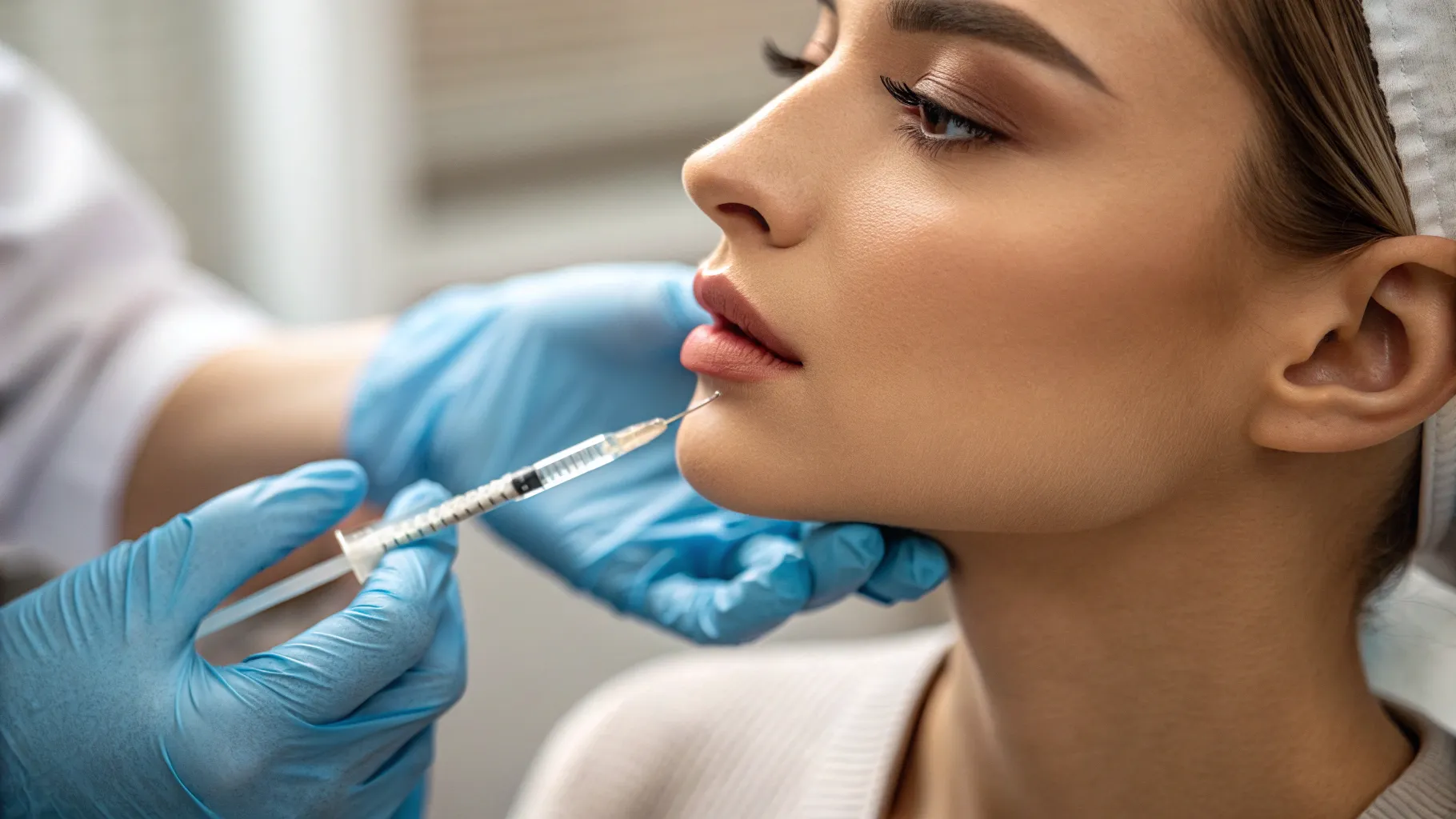
The allure of fuller, more defined lips has led to a significant surge in the popularity of dermal lip fillers. Many individuals are curious about the safety profile of these cosmetic enhancements, especially concerning potential risks and desired outcomes. Before committing to a procedure, understanding the science behind lip fillers and what to expect is crucial for an informed decision.
Understanding What Are Lip Fillers and Their Composition
Dermal lip fillers are injectable substances designed to add volume, shape, and definition to the lips. The most common type of filler used today is based on hyaluronic acid (HA), a naturally occurring substance in the body that helps to hydrate and plump the skin. This biocompatibility is a significant factor in their widespread acceptance and generally favorable safety profile. Brands like Juvederm and Restylane are prominent examples of HA-based types of lip fillers, each with unique properties regarding consistency, longevity, and ideal application area. Understanding these distinctions is paramount when discussing treatment options with a qualified practitioner.
The Journey: Lip Fillers Before and After
The transformation seen in lip fillers before and after photos is often the primary motivator for many seeking treatment. Before the procedure, a thorough consultation is essential, where your aesthetic goals are discussed, and your facial anatomy is assessed. The practitioner will determine the appropriate amount and type of filler to achieve a natural-looking enhancement. Immediately after the procedure, some swelling and bruising are common, but the initial results of increased volume are typically visible. Over the next few days, as swelling subsides, the final, refined appearance of the lips emerges, showcasing a significant yet often subtle improvement. Documenting the lip fillers before and after journey can be incredibly insightful for patients.
Potential Lip Fillers Side Effects and How to Mitigate Them
While generally safe when performed by experienced professionals, it's important to be aware of potential lip fillers side effects. Common side effects include temporary redness, swelling, tenderness, and bruising at the injection sites. These typically resolve within a few days to a week. More serious, though rare, complications can include allergic reactions, infection, vascular occlusion (where filler is accidentally injected into a blood vessel), or nodules. Choosing a board-certified dermatologist or plastic surgeon for your lip fillers treatment London or elsewhere significantly reduces the risk of these adverse events. Practitioners should have emergency protocols in place and be able to dissolve hyaluronic acid fillers if necessary, which is a key safety advantage of HA-based products.
Exploring Different Types of Lip Fillers Available
The landscape of types of lip fillers has evolved, offering various options to cater to diverse aesthetic needs. Hyaluronic acid fillers remain the gold standard due to their safety profile and reversibility. Within HA fillers, different brands offer varying gel consistencies, from softer gels for subtle plumping to firmer gels for more defined contours. Beyond HA, other filler types exist, such as collagen stimulators, but these are less commonly used for lip augmentation due to their non-reversibility and different risk profiles. Your practitioner will advise on the best types of lip fillers suitable for your specific goals and lip structure.
Considerations for Lip Fillers Treatment in London
For those seeking lip fillers treatment London offers a wide array of clinics and practitioners. When choosing a clinic, it is paramount to research their credentials, read patient reviews, and ensure they operate under strict medical guidelines. London's cosmetic industry is highly competitive, meaning patients have access to cutting-edge techniques and experienced professionals. However, this also means vigilance is required to avoid unqualified practitioners. Always confirm the products used are genuine and FDA/CE approved. The reputation of a clinic offering lip fillers treatment London can greatly influence the safety and success of your procedure.
Understanding the Lip Fillers Price in UK
The lip fillers price in UK can vary significantly based on several factors, including the type and amount of filler used, the experience and reputation of the practitioner, and the clinic's location. Typically, prices for hyaluronic acid lip fillers in the UK range from £250 to £600 per syringe. It's crucial to be wary of extremely low prices, as this might indicate unqualified practitioners or substandard products. When budgeting for lip fillers price in UK, remember that this is an investment in your appearance and safety, making the choice of a reputable clinic even more important than just seeking the cheapest option.
How Long Do Lip Fillers Last? Expected Longevity
A common question among those considering this treatment is, how long do lip fillers last? The longevity of lip fillers largely depends on the type of filler used, the individual's metabolism, and lifestyle factors. On average, hyaluronic acid lip fillers last between 6 to 18 months. Softer fillers designed for subtle enhancements may dissipate quicker, while more robust formulations intended for significant volume might last longer. Regular touch-up treatments are often recommended to maintain the desired look. Understanding how long do lip fillers last helps in planning follow-up appointments and managing expectations for long-term results.
Recovery and Aftercare for Optimal Results
Proper recovery and aftercare are critical for achieving the best possible results and minimizing lip fillers side effects. Immediately after the procedure, patients are often advised to avoid strenuous exercise, excessive heat exposure (like saunas), and alcohol for 24-48 hours. Applying a cold compress can help reduce swelling and bruising. It's also recommended to stay hydrated and avoid touching or massaging the treated area unless instructed by your practitioner. Following all post-procedure instructions meticulously ensures a smoother recovery and helps the filler settle optimally. Excellent recovery and aftercare protocols contribute significantly to patient satisfaction and the overall success of the treatment.
Actionable Advice: Choosing Your Lip Filler Practitioner Wisely
Making an informed decision about your practitioner is arguably the most crucial step in ensuring safe and effective lip fillers.
- Verify Credentials: Always choose a board-certified dermatologist, plastic surgeon, or other qualified medical professional with extensive experience in injectable treatments. Check their professional registrations.
- Review Portfolios: Ask to see their lip fillers before and after portfolio. This provides insight into their aesthetic style and the quality of their work. Look for natural, balanced results.
- Consultation is Key: A thorough consultation should involve a detailed discussion of your medical history, aesthetic goals, potential risks, and a clear explanation of the procedure and expected lip fillers side effects.
- Understand Products: Ensure the practitioner uses only FDA/CE approved hyaluronic acid fillers from reputable brands. Don't hesitate to ask about the specific types of lip fillers they recommend.
- Discuss Aftercare: A professional will provide clear recovery and aftercare instructions and be available for any post-treatment concerns.
Frequently Asked Questions
Are lip fillers painful?
Most patients report minimal discomfort during the procedure. Topical numbing cream is typically applied before injections, and many fillers also contain lidocaine, a local anesthetic, to further reduce pain. The sensation is often described as a slight pinch or pressure.
Can lip fillers be dissolved if I don't like the result?
Yes, one of the significant advantages of hyaluronic acid types of lip fillers is their reversibility. If you are unhappy with the results or experience a complication, an enzyme called hyaluronidase can be injected to dissolve the filler quickly and safely.
What is the typical lip fillers price in UK?
The typical lip fillers price in UK for one syringe of hyaluronic acid filler generally ranges from £250 to £600. This price can fluctuate based on clinic location, practitioner experience, and the specific brand of filler used.
How do I ensure a safe lip fillers treatment London?
To ensure a safe lip fillers treatment London, always choose a reputable, CQC-registered clinic and a highly qualified, experienced medical professional. Thoroughly research their credentials, read reviews, and have a detailed consultation to discuss all aspects of the treatment, including potential lip fillers side effects.
What is the recommended recovery and aftercare for lip fillers?
For optimal recovery and aftercare, avoid touching, massaging, or applying makeup to your lips for 24 hours. Refrain from strenuous exercise, excessive heat, and alcohol for 24-48 hours. Apply a cold compress to reduce swelling and bruising, and stay hydrated. Follow all specific instructions provided by your practitioner.
References
- American Society of Plastic Surgeons. Dermal Fillers.
- British Association of Aesthetic Plastic Surgeons (BAAPS).
- General Medical Council (GMC) guidelines for cosmetic procedures.
- NHS Choices - Cosmetic procedures.
- Journal of Cosmetic Dermatology, various articles on hyaluronic acid fillers.