
Areola Reduction Surgery for Women Over 60: Benefits, Risks, and Considerations
Facts:
- Areola reduction is increasingly popular among mature women.
- Demand for areola reshaping procedure is rising for women seeking renewed confidence.
Evaluating Areola Reduction Surgery for Women Over 60: Key Considerations
For many women entering their sixties, concerns about changes in breast appearance, including enlarged areolas, can impact self-perception and comfort. The question, "Is Areola reduction surgery good for women over 60?" is increasingly relevant as surgical techniques advance and societal attitudes towards aesthetic enhancements evolve. This procedure offers a targeted solution for those seeking to restore more proportionate and aesthetically pleasing breasts, contributing significantly to their overall well-being and body image. Understanding the nuances of this surgery, from its potential advantages to the detailed recovery process, is crucial for informed decision-making.
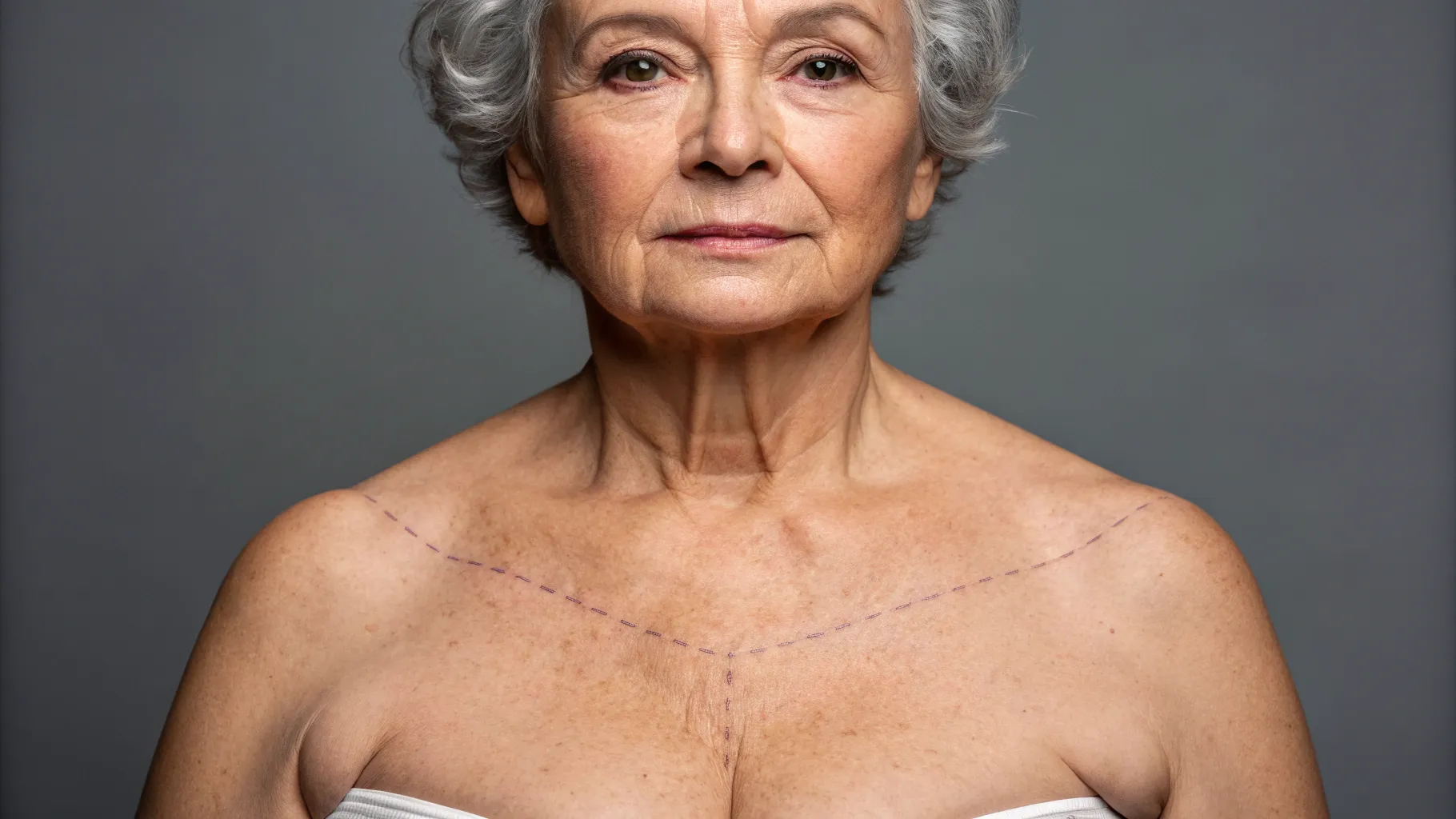
Understanding the Benefits of Areola Reshaping Procedure for Mature Women
The decision to undergo an areola reshaping procedure at an older age often stems from a desire to address specific concerns that have developed over time, such as enlargement or asymmetry of the areolas due to natural aging, hormonal changes, or previous pregnancies. For women over 60, the benefits of areola reshaping procedure extend beyond mere aesthetics. Proportionate areolas can significantly contribute to overall breast harmony, creating a more youthful and balanced appearance. This subtle yet impactful change can lead to a notable boost in self-esteem and comfort in intimate settings or when wearing certain clothing. Many women report feeling a renewed sense of confidence, which is a key driver for pursuing such a procedure later in life. The psychological benefits, including improved body image and reduction in self-consciousness, are frequently cited as primary motivators, making it a valuable option for enhancing personal satisfaction.
Navigating the Recovery from Areola Reduction Surgery: What to Expect
One of the most common concerns for women considering any surgery, especially areola reduction surgery for women over 60, is the recovery process. Generally, the recovery from areola reduction surgery is relatively straightforward compared to more extensive breast procedures. Patients can typically expect some swelling, bruising, and discomfort in the days immediately following the surgery, which can be managed with prescribed pain medication. Most individuals can return to light, non-strenuous activities within a few days, though vigorous exercise and heavy lifting should be avoided for several weeks to ensure proper healing and prevent complications. The surgical incisions are usually well-hidden around the perimeter of the areola, and with diligent post-operative care, scarring tends to be minimal and fades significantly over time. It is crucial to follow all post-operative instructions provided by the surgeon meticulously, including wound care and wearing a supportive bra, to optimize healing and achieve the best possible results. Regular follow-up appointments are also vital to monitor progress and address any concerns.
Addressing Risks and Precautions of Areola Reduction Surgery
While generally safe, like any surgical intervention, areola reduction surgery for women over 60 comes with potential risks and precautions of areola reduction surgery that must be thoroughly discussed with a qualified surgeon. Common risks include temporary numbness or altered sensation in the nipple-areola complex, infection, bleeding, and adverse reactions to anesthesia. Specific to breast procedures, there is a minor risk of changes in nipple sensation, which can sometimes be permanent. As with any surgical scarring, there is a possibility of hypertrophic or keloid scars, though these are rare and proper wound care can mitigate this. For women over 60, pre-existing health conditions must be carefully evaluated to ensure they are good candidates for surgery, and any medications that could increase bleeding risk should be disclosed. Selecting an experienced, board-certified plastic surgeon and adhering to all pre- and post-operative instructions are the most effective precautions to minimize risks and ensure a successful outcome. A comprehensive consultation will detail all potential complications and how they are managed.
Exploring the Cost of Areola Reduction Surgery in 2026
Understanding the financial aspect is a significant part of considering any cosmetic procedure. The cost of areola reduction surgery in 2026 can vary widely depending on several factors, including the surgeon's fees, anesthesia costs, facility fees, and pre- and post-operative appointments. Geographic location also plays a role, with prices typically higher in metropolitan areas. On average, patients can expect the total cost to range from a few thousand dollars up to several thousand. It is important to note that because areola reduction is generally considered an elective cosmetic procedure, it is typically not covered by health insurance. Prospective patients should inquire about a comprehensive quote during their initial consultation, which should cover all anticipated expenses. Some clinics may offer financing options to make the procedure more accessible. When evaluating the cost of areola reduction surgery in 2026, it's crucial to prioritize surgeon expertise and safety over simply seeking the lowest price, as this is an investment in your health and well-being.
Achieving Confidence and Enhanced Appearance After Areola Reduction
The ultimate goal of undergoing areola reduction surgery for women over 60 is to achieve greater confidence and enhanced appearance after areola reduction. Post-surgery, many women express immense satisfaction with their new breast contours, reporting a significant boost in self-esteem. The subtle reshaping of the areolas can create a more balanced and aesthetically pleasing breast profile, which in turn can lead to greater comfort in various social situations and improved body image. This renewed confidence often translates into a better quality of life, allowing women to feel more comfortable in their own skin and more willing to engage in activities they might have previously avoided due to self-consciousness. The long-term psychological benefits of feeling more attractive and comfortable can be profound, making the procedure a worthwhile investment for those seeking personal contentment and rejuvenation. The positive impact on self-perception underscores why many women choose this procedure.
Long-Term Impact on Breast Aesthetics and Appearance Improvement
The long-term effects of an areola reshaping procedure on breast aesthetics and appearance improvement are generally positive and enduring. Once the healing process is complete, the results of the surgery are typically permanent, provided the patient maintains a stable weight. While natural aging will continue, the resized and reshaped areolas will remain proportionate to the breast. The enhanced symmetry and smaller size contribute significantly to an overall more youthful and refined breast contour. This lasting improvement can greatly impact a woman's body confidence for years to come. Regular follow-up with the surgeon and a healthy lifestyle can help maintain the surgical outcomes. For many women over 60, achieving a lasting improvement in their breast aesthetics and appearance improvement offers psychological comfort and satisfaction that extends well beyond the initial recovery period, solidifying the procedure's value.
Frequently Asked Questions
Is areola reduction surgery good for women over 60, particularly if they have underlying health conditions?
The suitability of areola reduction surgery for women over 60 with underlying health conditions depends entirely on a thorough medical evaluation by a qualified plastic surgeon and potentially a primary care physician. Conditions like diabetes, heart disease, or blood clotting disorders need to be stable and well-managed. A comprehensive assessment will determine if the patient is healthy enough to safely undergo anesthesia and surgery, minimizing the risks and precautions of areola reduction surgery.
How long do the benefits of areola reshaping procedure typically last?
The results of an areola reshaping procedure are generally considered permanent. Once the areola size and shape are surgically altered, they typically do not revert to their previous state. However, factors like significant weight fluctuations, future pregnancies, or extreme natural aging processes can subtly impact overall breast appearance over time. Nonetheless, the primary aesthetic improvements of the procedure, contributing to breast aesthetics and appearance improvement, are long-lasting.
What are the common side effects during recovery from areola reduction surgery for older women?
During recovery from areola reduction surgery, older women can expect similar side effects to younger patients, including mild to moderate pain, swelling, bruising, and temporary numbness around the treated area. These symptoms usually subside within a few weeks. However, older skin may have slightly less elasticity, which could influence the final contour. Following post-operative care instructions is crucial for optimal healing and minimizing complications.
Can areola reduction surgery for women over 60 impact breast sensitivity?
Yes, areola reduction surgery for women over 60 can potentially impact breast and nipple sensitivity. While many patients experience temporary changes, such as numbness or decreased sensation, most regain normal feeling over several months. In some cases, however, a permanent alteration in sensation, either increased or decreased, can occur. This risk is always discussed during the pre-operative consultation as part of the risks and precautions of areola reduction surgery.
What factors influence the final cost of areola reduction surgery in 2026?
The final cost of areola reduction surgery in 2026 is influenced by several factors: the surgeon's professional fee, anesthesia fees, operating room facility charges, pre- and post-operative appointments, and any necessary post-surgical garments. The geographic location of the practice and the complexity of the individual case also play significant roles. It's recommended to obtain a detailed, itemized quote during the consultation.
References
- Plastic and Reconstructive Surgery Journal.
- American Society of Plastic Surgeons.
- Clinical Aesthetic Surgery Publications.
- Dermatologic Surgery Archives.
- Peer-reviewed studies on cosmetic breast procedures.