
Atopic Dermatitis Explained: Causes, Symptoms, and Treatment
Facts:
- Atopic dermatitis, a form of eczema, affects up to 20% of children worldwide.
- New biologic therapies are a trending treatment for moderate to severe atopic dermatitis.
Understanding the Itch: A Deep Dive into Atopic Dermatitis
Atopic dermatitis, commonly known as eczema, is a chronic inflammatory skin condition that causes dry skin, intense itching, and visible rashes. It is not contagious but can have a significant impact on quality of life. Understanding what is atopic dermatitis is the first step toward effective management. This condition typically begins in childhood and can persist into adulthood, characterized by periods of flare-ups and remission. The constant need to manage symptoms requires a comprehensive approach, involving skincare, lifestyle adjustments, and medical treatments. We will explore the causes, symptoms, and various treatment options to provide a clear path forward for those affected.
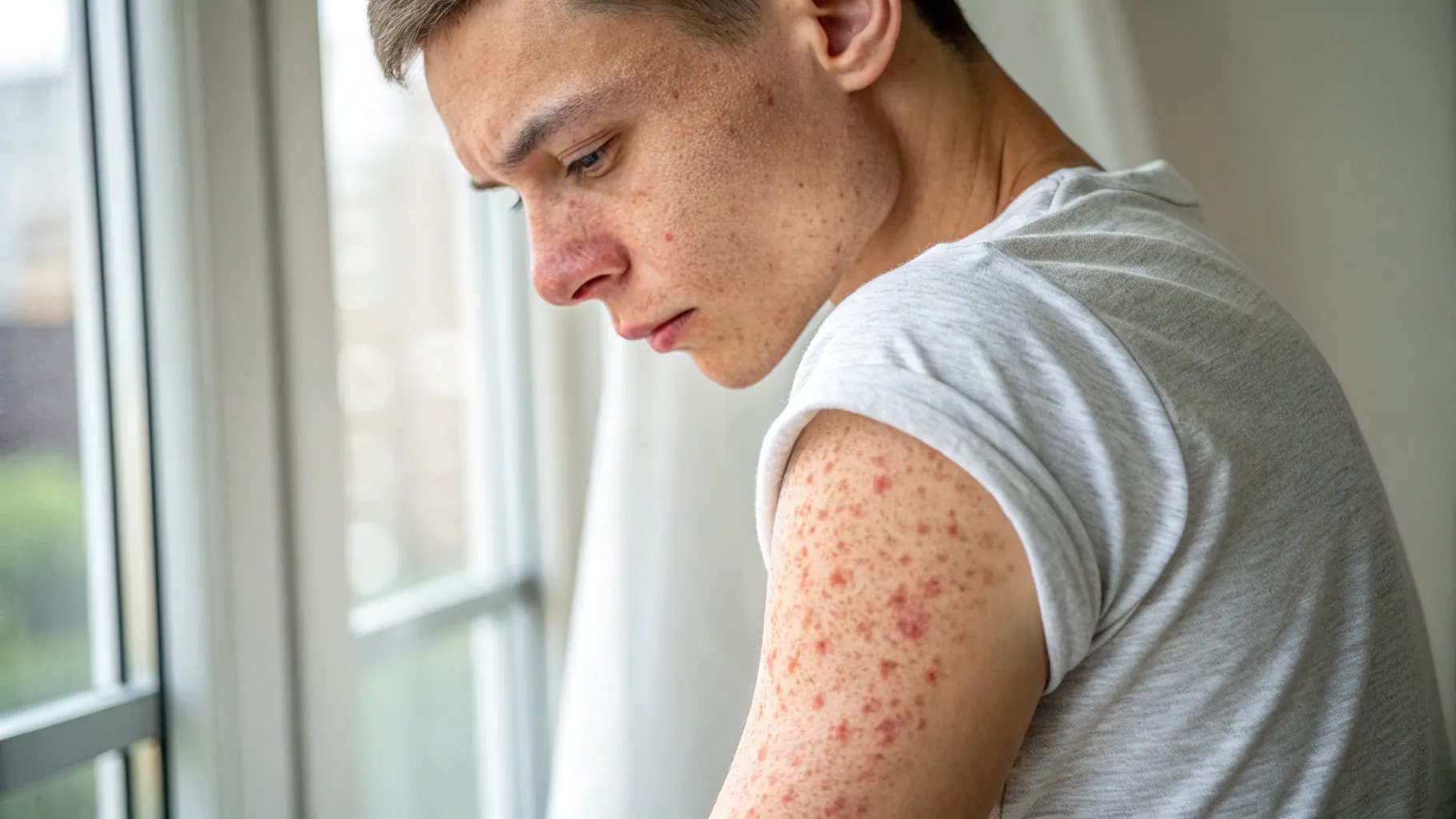
What are the symptoms of atopic dermatitis?
The presentation of atopic dermatitis can vary widely among individuals, but there are hallmark signs. The most pervasive symptom is intense itching (pruritus), which can be relentless and often worsens at night, disrupting sleep. Scratching the itchy skin can lead to a cycle of further inflammation and damage. Visually, what are the symptoms of atopic dermatitis include red to brownish-gray patches, especially on the hands, feet, ankles, wrists, neck, upper chest, and inside the bends of the elbows and knees. In infants, the rash often appears on the scalp and cheeks. The affected skin may also develop small, raised bumps that can leak fluid and crust over when scratched. Over time, chronic scratching can cause the skin to become thickened, cracked, and scaly—a process known as lichenification. Dry skin is a universal feature, which compromises the skin's barrier function and makes it more susceptible to irritants and allergens.
What causes atopic dermatitis?
The exact answer to what causes atopic dermatitis is complex and multifactorial, involving a combination of genetic predisposition, immune system dysfunction, and environmental factors. Genetics play a crucial role; individuals with a family history of atopic dermatitis, asthma, or hay fever are at a much higher risk. A key genetic factor involves a mutation in the gene responsible for creating filaggrin, a protein that helps maintain a healthy, protective barrier on the skin. Without sufficient filaggrin, the skin loses moisture more easily and becomes vulnerable to environmental triggers. The immune system is also a major contributor. In people with atopic dermatitis, the immune system is overactive, triggering inflammation in response to substances that are typically harmless, such as pollen, dust mites, or certain foods. Environmental triggers that can provoke a flare-up include dry air, harsh soaps and detergents, certain fabrics like wool, stress, and sweating.
How is atopic dermatitis treated?
Managing this condition effectively requires a multi-pronged approach tailored to the individual's age, symptoms, and triggers. A fundamental aspect of understanding how is atopic dermatitis treated is recognizing that it's about control, not a one-time cure. Daily skincare is paramount, focusing on gentle cleansing and consistent, heavy moisturization to repair the skin barrier. Medically, treatments often include:
- Topical Corticosteroids: These anti-inflammatory creams and ointments are a first-line treatment to reduce redness and itching during flare-ups.
- Topical Calcineurin Inhibitors: Medications like tacrolimus and pimecrolimus can be used on sensitive areas and help control inflammation without the side effects of steroids.
- Antihistamines: Oral antihistamines can help reduce itching, particularly at night, to improve sleep quality.
- Phototherapy (Light Therapy): Exposing the skin to controlled amounts of natural or artificial ultraviolet light can help manage symptoms for some individuals.
- Systemic Medications: For severe cases, doctors may prescribe oral or injectable medications, such as corticosteroids, immunosuppressants, or newer biologic drugs that target specific parts of the immune system responsible for the inflammatory response.
Living with Atopic Dermatitis: Practical Management Tips
Beyond medical interventions, lifestyle adjustments are critical for managing atopic dermatitis and reducing the frequency of flares. A proactive approach can significantly improve skin health and overall well-being. Key strategies include identifying and avoiding personal triggers, whether they are specific foods, environmental allergens like pollen, or irritants like fragrances in laundry detergents. Establishing a consistent daily bathing and moisturizing routine is non-negotiable. This involves lukewarm baths, using a gentle, fragrance-free cleanser, patting the skin dry, and immediately applying a thick moisturizer to lock in hydration. Wearing soft, breathable fabrics like cotton can also prevent skin irritation. Since stress is a known trigger for many, incorporating stress-management techniques such as mindfulness, yoga, or regular exercise can be beneficial in preventing flare-ups.
Can atopic dermatitis be cured?
This is one of the most frequently asked questions by patients and their families. Currently, the straightforward answer to can atopic dermatitis be cured is no. It is considered a chronic condition, meaning it is long-lasting and often characterized by periods of improvement and flares. While many children outgrow the condition or experience a significant decrease in severity as they get older, it can persist into or even begin in adulthood. The focus of management is therefore on controlling the symptoms, preventing flare-ups, and maintaining skin health over the long term. Ongoing research into the underlying mechanisms of the disease continues to yield new and more targeted therapies, offering hope for better control and improved quality of life. The goal is to manage the condition so effectively that it has a minimal impact on daily life, achieving long periods of remission.
Frequently Asked Questions
What is atopic dermatitis and is it contagious?
What is atopic dermatitis? It is a chronic, inflammatory skin condition, a common type of eczema. It is not contagious. It results from a combination of genetic and environmental factors that lead to a compromised skin barrier and an overactive immune response.
What are the most common triggers for atopic dermatitis flare-ups?
Common triggers vary but often include dry skin, irritants like soaps and detergents, allergens such as dust mites and pollen, stress, sweating, and certain foods. Identifying and avoiding personal triggers is a key part of management.
How is atopic dermatitis treated in infants?
The approach to how is atopic dermatitis treated in infants focuses on gentle skincare, frequent moisturization with thick emollients, and avoiding triggers. A pediatrician may prescribe mild topical corticosteroids for short-term use during flare-ups.
Can atopic dermatitis be cured with diet changes?
While some individuals find that certain foods can trigger their eczema, diet alone is not a cure. An elimination diet, guided by a doctor, may help identify food triggers. However, the question of can atopic dermatitis be cured through diet is complex; for most, it's a management tool, not a cure.
References
- National Eczema Association
- American Academy of Dermatology (AAD)
- The Journal of Allergy and Clinical Immunology
- British Journal of Dermatology