
A Comprehensive Guide to Balance Problems and Fall Prevention for Seniors
Facts:
- One in four older adults falls each year.
- Growing awareness of home modification for fall prevention for seniors.
Understanding the Core Issues Behind Senior Balance Problems
As we age, a combination of physiological changes can contribute to instability, making Balance Problems and Fall Prevention for Seniors a critical topic for families and caregivers. These issues are not a normal part of aging but are often symptoms of underlying medical conditions, medication side effects, or physical deconditioning. Understanding the root causes, from inner ear disturbances and vision changes to muscle weakness and nerve damage, is the first step toward implementing effective fall prevention strategies. Addressing these challenges proactively can significantly improve an older adult's quality of life, maintain their independence, and reduce the risk of serious injury. The focus must be on a holistic approach that includes medical assessment, physical activity, and home safety modifications to create a secure environment.
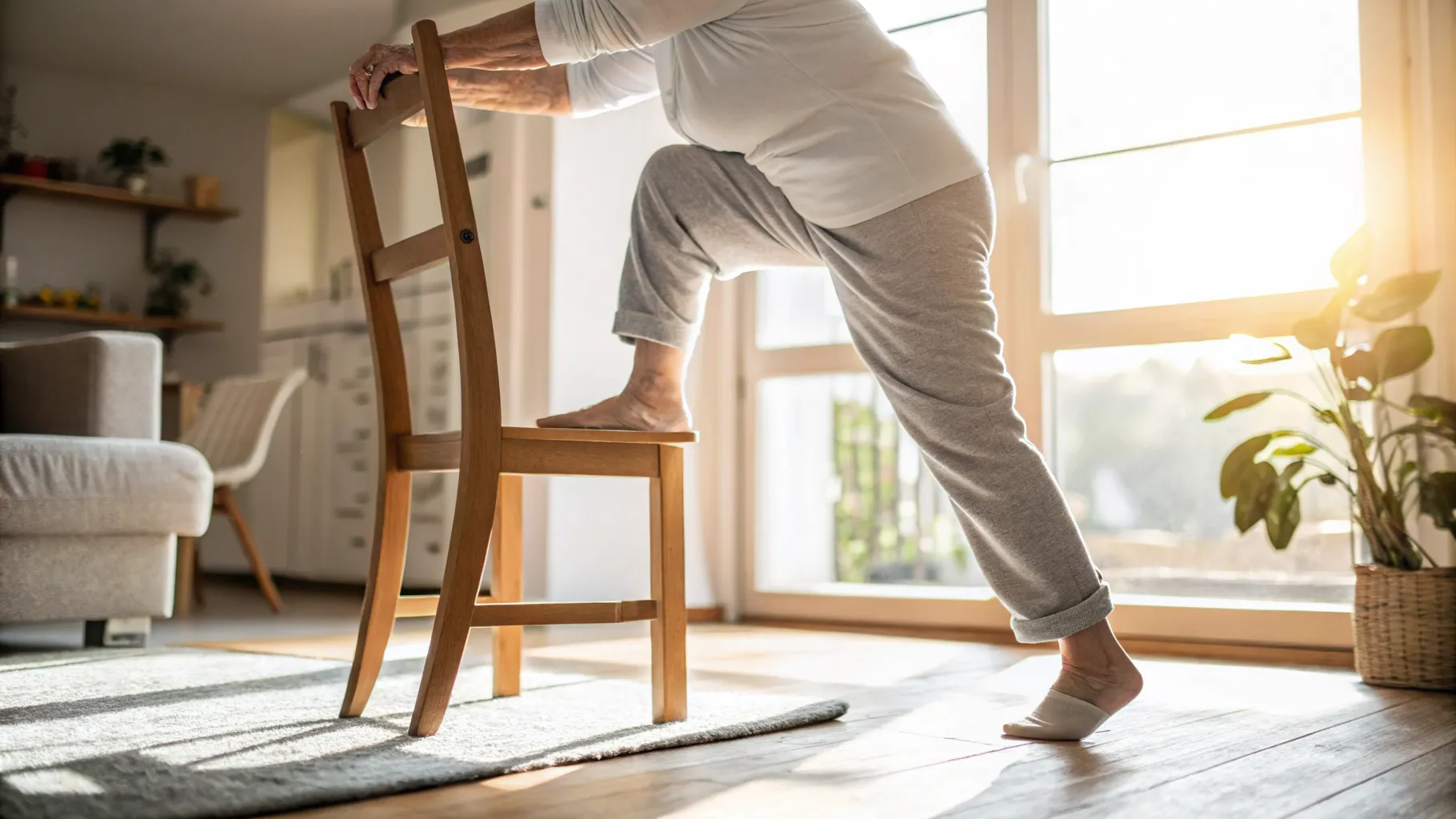
Key Exercises and Therapies to Improve Stability
One of the most effective methods for managing Balance Problems and Fall Prevention for Seniors involves targeted physical activity. A regimen focused on strengthening lower body muscles, improving core stability, and enhancing flexibility can make a substantial difference. Simple exercises like chair yoga, Tai Chi, and leg lifts can be performed safely at home. Tai Chi, in particular, is renowned for its gentle, flowing movements that improve balance, coordination, and confidence. For more structured guidance, a physical therapist can design a personalized program that addresses specific weaknesses. They may incorporate balance retraining exercises, such as standing on one foot or walking heel-to-toe, within a safe, supervised setting to challenge and improve the body's proprioceptive systems.
Creating a Safer Home Environment for Fall Prevention
Modifying the living space is a cornerstone of any comprehensive plan for Balance Problems and Fall Prevention for Seniors. Many falls occur at home due to preventable hazards. A thorough home safety assessment can identify and eliminate these risks. The goal is to create clear, unobstructed pathways and provide adequate support where needed. Here are some actionable steps to take:
- Remove Tripping Hazards: Secure or remove loose rugs, clear electrical cords from walkways, and eliminate clutter from floors and stairs. Ensure all furniture is arranged to allow for clear and wide paths.
- Improve Lighting: Install bright light bulbs throughout the home, especially in hallways, staircases, and bathrooms. Use nightlights to illuminate paths from the bedroom to the bathroom at night.
- Install Grab Bars and Handrails: Place grab bars in critical areas such as next to the toilet and inside the shower or bathtub. Ensure stairways have sturdy handrails on both sides.
- Secure Flooring: Use non-slip mats in the bathroom and kitchen. Repair any loose floorboards or carpeting immediately to prevent unexpected trips.
The Role of Vision, Medication, and Diet
Beyond physical exercise and home modifications, several other factors play a crucial role in Balance Problems and Fall Prevention for Seniors. Regular vision checks are essential, as impaired sight can make it difficult to spot hazards. Bifocals or progressive lenses can sometimes distort depth perception, so discussing single-vision glasses for walking with an optometrist can be beneficial. Additionally, a medication review with a doctor or pharmacist is vital. Some drugs, or combinations of drugs, can cause dizziness or drowsiness as side effects, directly impacting balance. Finally, proper nutrition and hydration are fundamental. Dehydration can lead to dizziness and confusion, while a diet lacking in Vitamin D and calcium can contribute to bone fragility, making injuries from a fall more severe.
When to Seek Professional Medical Advice
Feeling occasionally unsteady is one thing, but persistent dizziness, a feeling of spinning (vertigo), or experiencing a fall necessitates a consultation with a healthcare professional. It's important not to dismiss these as inevitable signs of aging. A doctor can conduct a thorough evaluation to rule out or diagnose conditions such as inner ear problems, nerve damage (neuropathy), or cardiovascular issues that might be causing the instability. They can refer you to specialists like a neurologist, an otolaryngologist (ear, nose, and throat doctor), or a physical therapist. A proactive approach is the best strategy for managing Balance Problems and Fall Prevention for Seniors and ensuring a long, healthy, and independent life.
Frequently Asked Questions
What are the first signs of balance problems in seniors?
The initial signs can be subtle. They may include feeling unsteady or dizzy, holding onto walls or furniture when walking, having difficulty rising from a chair, or feeling as though the room is spinning. Addressing these early is key for effective Balance Problems and Fall Prevention for Seniors.
Can balance in seniors be improved?
Absolutely. With a combination of specific exercises to strengthen key muscles, physical therapy, medication management, and home safety adjustments, most seniors can significantly improve their balance and reduce their risk of falling. A dedicated program for Balance Problems and Fall Prevention for Seniors is highly effective.
What type of doctor specializes in balance problems?
While your primary care physician is the best starting point, they may refer you to a specialist. Neurologists, otolaryngologists, and geriatricians often have expertise in diagnosing and treating the underlying causes of balance disorders in older adults.
References
- National Institute on Aging - Preventing Falls and Fractures
- Centers for Disease Control and Prevention - Older Adult Fall Prevention
- American Academy of Orthopaedic Surgeons - Fall Prevention for Seniors
- Physical Therapy Association - The Role of Physical Therapy in Balance Disorders