
Discover Beginner Pottery Classes in Melbourne: Your Guide to Clay Sculpting
Fast Facts:
- Melbourne's art scene thrives with creative workshops.
- Demand for hands-on crafting experiences for adults and children.
Embarking on Your Journey: Finding Top Beginner Pottery Classes Melbourne
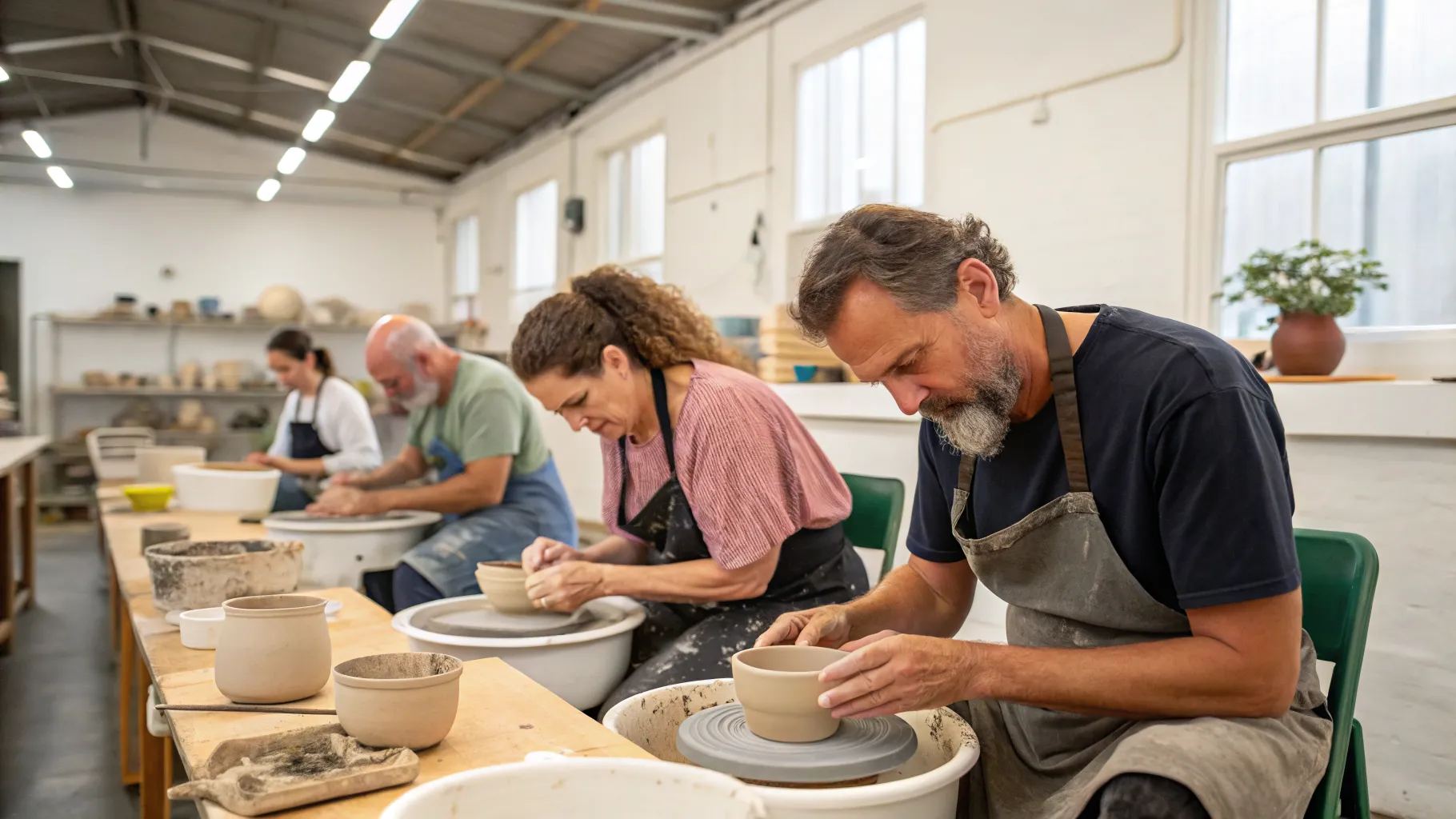
Melbourne, a city celebrated for its vibrant arts and culture, offers an exciting array of opportunities for those keen to explore the tactile world of ceramics. If you're looking to dive into a new hobby or simply unleash your creative spirit, finding the perfect beginner pottery classes Melbourne is an excellent starting point. These workshops are specifically designed for novices, providing foundational skills in shaping clay, from hand-building techniques to wheel throwing, ensuring a welcoming environment for every aspiring artist.
Why Choose Pottery for Beginners in Melbourne?
The allure of clay is universal, offering a unique blend of creativity, mindfulness, and tangible results. For individuals searching for pottery for beginners, Melbourne's studios provide more than just technical instruction; they offer a therapeutic escape from daily stresses. Engaging with clay can be incredibly grounding, allowing you to focus entirely on the present moment and the transformation of raw material into a personal masterpiece. Many participants find the process meditative, fostering patience and problem-solving skills as they learn to manipulate the clay. Beyond the individual benefits, these classes also present a wonderful opportunity to connect with like-minded individuals in a supportive and inspiring setting, building a sense of community.
Exploring Different Styles of Clay Sculpting Melbourne Workshops
When considering clay sculpting Melbourne workshops, you'll discover a rich variety of approaches. Some studios focus heavily on hand-building, which involves pinch pots, coil building, and slab construction. These methods are excellent for beginners as they require minimal equipment and allow for a high degree of creative freedom, enabling students to create sculptural forms, functional ware, and decorative pieces. Other workshops introduce participants to the pottery wheel, a fascinating and somewhat challenging technique that can produce beautifully symmetrical bowls, cups, and vases. Deciding between hand-building and wheel throwing often comes down to personal preference and the type of ceramic art you wish to create. Many introductory courses offer a taste of both, allowing students to discover their preferred method before specializing.
Hand-Building Techniques: A Foundation for Creativity
Hand-building is the most ancient form of pottery and remains incredibly popular in beginner pottery classes Melbourne. This approach emphasizes the direct manipulation of clay using only your hands and simple tools. Techniques such as pinch pots, where you start with a ball of clay and pinch it into a form, are perfect for creating small bowls or decorative items. Coil building involves rolling out ropes of clay and stacking them to create taller or wider vessels. Slab building uses flattened sheets of clay cut and joined together, suitable for geometric forms or constructing boxes and plates. These methods teach fundamental clay properties and allow for unique, organic shapes that are often difficult to achieve on the wheel.
The Art of Wheel Throwing: Mastering the Spin
For those fascinated by the mesmerizing motion of the pottery wheel, many Melbourne pottery workshops offer introductions to wheel throwing. This technique involves centering a lump of clay on a spinning wheel and using your hands to shape it as it rotates. While it can be initially challenging to master the coordination required, the reward is the ability to create perfectly symmetrical forms. Instructors in beginner pottery classes Melbourne provide step-by-step guidance on wedging clay, centering, opening, pulling walls, and shaping. Learning to throw on the wheel is a truly immersive experience that builds hand-eye coordination and a deep understanding of clay dynamics.
What to Expect from Your First Learn Pottery Melbourne Experience
Your first learn pottery Melbourne session will typically begin with an introduction to the studio, safety guidelines, and the various types of clay. You'll likely learn about wedging – the process of preparing clay to remove air bubbles and create an even consistency. Instructors will then guide you through basic techniques, whether it's forming a simple pinch pot or attempting to center clay on the wheel. All necessary tools, clay, glazes, and firing services are usually included in the course fee. Expect a supportive and encouraging atmosphere where experimentation is highly valued. It's important to wear comfortable clothes you don't mind getting a little dirty, and to be prepared for an engaging, hands-on activity. Most courses conclude with the firing of your completed pieces, allowing you to take home your very own handmade ceramics.
Choosing the Right Melbourne Pottery Workshops: A Comparison
Melbourne boasts numerous studios offering exceptional Melbourne pottery workshops, each with its own unique focus and atmosphere. Some larger art centers provide comprehensive, multi-week courses covering a wide range of techniques, ideal for those committed to a deeper dive. These often have structured syllabuses and dedicated facilities. Smaller, independent studios might offer more intimate settings, specialized workshops (e.g., focusing on specific glazing techniques or sculptural forms), or one-off "taster" sessions perfect for a casual introduction. When making your choice, consider the duration of the course, the class size, the instructor's style, and whether the studio offers open studio hours for practice. Reading reviews and visiting studio websites can help you compare offerings and find a perfect fit for your learning style and goals in beginner pottery classes Melbourne.
Practical Advice for Aspiring Ceramists in Melbourne Pottery Workshops
Dress for Success: Always wear old clothes or an apron. Clay dust and splashes are part of the fun, but they can be messy. Opt for closed-toe shoes for safety.
Embrace Imperfection: Your first few pieces might not be masterpieces, and that's perfectly normal. Pottery is a skill that develops with practice. Enjoy the process of learning and creating.
Ask Questions: Don't hesitate to ask your instructor for clarification or extra tips. They are there to guide you through the intricacies of clay sculpting Melbourne.
Hydrate and Protect Your Hands: Clay can dry out your hands, so moisturize regularly. Stay hydrated, especially during longer sessions.
Explore Local Studios: Research studios in your area that offer pottery for beginners. Many provide trial classes or open days to help you get a feel for the environment before committing to a full course.
Frequently Asked Questions
Do I need any experience for beginner pottery classes Melbourne?
Absolutely not! These classes are specifically designed for complete novices. Instructors will guide you through all the basic techniques, from preparing the clay to firing your finished pieces.
What should I wear to a clay sculpting Melbourne workshop?
Wear comfortable clothing that you don't mind getting dirty. An apron is often provided, but it's best to be prepared for clay dust and splashes. Closed-toe shoes are also recommended for safety.
What kind of items can I make in a pottery for beginners class?
Typically, beginners start with simple functional items like bowls, mugs, plates, or decorative sculptures using hand-building techniques. Some classes also introduce basic wheel throwing for simple forms like cylinders or small bowls.
How long do Melbourne pottery workshops usually last?
The duration varies. Some studios offer single "taster" sessions lasting 2-3 hours. Full beginner courses can range from 4 to 8 weeks, with each session lasting 2-3 hours, allowing you to develop skills more deeply.
Are materials included in the cost of learn pottery Melbourne classes?
Most studios include the cost of clay, glazes, tools, and firing in the course fee. It's always a good idea to confirm this when booking, but it's standard practice for beginner workshops.
References
- The Craft Council of Australia.
- Local Melbourne Arts & Culture Guides.
- Interviews with local ceramic artists and studio owners.
- Educational resources on ceramic art history and techniques.