
The Best Foods for Supporting Kidney Health: A Comprehensive Guide
Facts:
- Chronic Kidney Disease (CKD) affects over 10% of the global population.
- Adopting a renal-friendly diet is a growing wellness trend for at-risk individuals.
Nourishing Your Kidneys: An Essential Guide to Diet
Understanding the connection between diet and kidney function is the first step toward proactive health management. Your kidneys are powerful filters, and the foods you consume directly impact their workload and long-term vitality. Incorporating the best foods for supporting kidney health is not just about avoiding certain items; it's about actively choosing nutrient-dense options that reduce strain and help maintain balance within the body. A proper diet for kidney health can help manage blood pressure, reduce waste buildup, and slow the progression of kidney disease, making it a critical component of overall wellness.
Top Kidney-Friendly Food Groups to Incorporate
Focusing on a diet rich in specific food groups is paramount for kidney wellness. These foods are typically low in sodium, phosphorus, and potassium, which are minerals that can accumulate and cause harm when kidney function is compromised. Making strategic choices is key to creating a sustainable and effective eating plan. These kidney-friendly foods are not only beneficial but also delicious and versatile, making your diet for kidney health enjoyable.
Low-Potassium Fruits and Vegetables
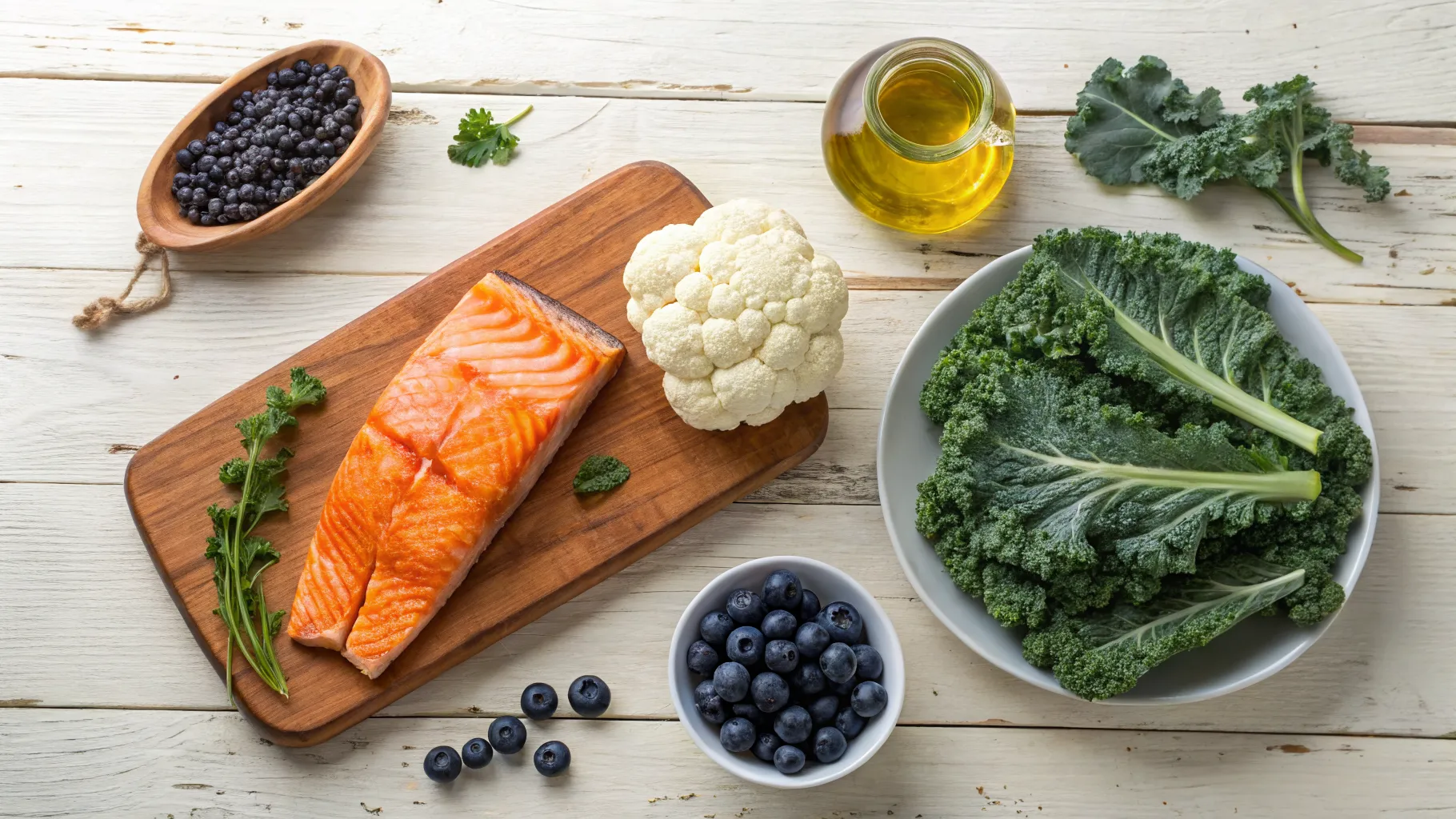
While many fruits and vegetables are healthy, individuals on a renal diet must be selective. Excellent choices include red bell peppers, which are low in potassium and high in vitamins A, C, and B6. Cabbage, a cruciferous vegetable, is packed with phytochemicals and is an excellent source of vitamins K and C. Other great options include cauliflower, garlic, onions, apples, cranberries, and blueberries. These particular items provide essential nutrients without overloading the kidneys, making them some of the best foods for supporting kidney health.
High-Quality Lean Proteins
Protein is essential, but the type and quantity matter immensely for kidney health. The breakdown of protein creates waste products that the kidneys must filter. High-quality, lean proteins produce less waste. Skinless chicken, fish (especially those high in omega-3 fatty acids like salmon and sea bass), and egg whites are superb choices. They provide the necessary amino acids for bodily functions while minimizing the burden on your renal system. Portion control is also a crucial part of integrating these renal diet foods effectively.
Healthy Fats and Grains
Not all fats are created equal. Olive oil is a fantastic source of monounsaturated fat and contains anti-inflammatory properties, making it an excellent choice for cooking and dressings. When it comes to grains, choices like buckwheat and bulgur are often recommended over others due to their lower phosphorus content. These foods provide energy and can be a satisfying part of a balanced meal plan designed around the best foods for supporting kidney health.
Foods to Limit for Optimal Kidney Function
Just as important as knowing what to eat is knowing what to limit or avoid. A successful diet for kidney health hinges on minimizing substances that strain the kidneys. The main culprits are sodium, potassium, and phosphorus. High levels of these minerals in the blood can lead to serious health complications, including heart disease and bone problems. Carefully reading labels and choosing fresh, unprocessed foods is a fundamental strategy.
Processed and packaged foods are often laden with sodium, which is used as a preservative. High sodium intake can increase blood pressure and cause fluid retention, adding significant stress to the kidneys. Similarly, phosphorus is an additive in many processed foods and dark-colored sodas, and it can leach calcium from bones when levels are high. High-potassium foods like oranges, bananas, potatoes, and tomatoes, while healthy for most people, may need to be strictly limited by those with advanced kidney disease. Avoiding these is a core principle when selecting kidney-friendly foods.
Actionable Advice: Building Your Kidney-Supportive Meal Plan
Creating a practical and sustainable meal plan is easier than it seems. The goal is to build habits that prioritize kidney wellness without sacrificing flavor or enjoyment. Here are some actionable steps to help you integrate the best foods for supporting kidney health into your daily routine.
- Prioritize Fresh Ingredients: Base your meals around fresh, whole foods. Cooking from scratch gives you complete control over what goes into your food, especially sodium and phosphorus levels.
- Master Food Labels: Become an expert at reading nutrition labels. Pay close attention to sodium, potassium, and phosphorus content. Look for foods labeled 'low sodium' and be wary of hidden phosphorus in additives.
- Hydrate Wisely: Water is crucial for helping the kidneys flush out waste. However, some individuals with later-stage kidney disease may need to restrict fluid intake. Always follow your healthcare provider's specific recommendations on hydration.
- Embrace Kidney-Friendly Cooking Methods: Steaming, grilling, roasting, and stir-frying are excellent methods that don't require excessive salt or unhealthy fats. Use herbs, spices, garlic, and onions to add flavor instead of salt. This is essential for a successful diet for kidney health.
Frequently Asked Questions
What are the absolute best foods for supporting kidney health?
The very best foods are those low in sodium, potassium, and phosphorus. This includes items like cauliflower, blueberries, sea bass, red grapes, egg whites, garlic, and olive oil. These kidney-friendly foods provide excellent nutrition with minimal strain on the kidneys.
How does a diet for kidney health differ from a regular healthy diet?
A diet for kidney health, or a renal diet, is more restrictive regarding specific minerals—namely sodium, potassium, and phosphorus. While a general healthy diet encourages a wide variety of fruits and vegetables, a renal diet carefully selects those that are lower in potassium. Protein and fluid intake may also be limited based on the stage of kidney disease.
Can I reverse kidney damage with renal diet foods?
While a diet rich in the best foods for supporting kidney health cannot typically reverse existing kidney damage, it is a powerful tool to preserve remaining kidney function and significantly slow the progression of the disease. It helps manage symptoms and reduce the risk of complications. Always consult with a nephrologist or registered dietitian to create a personalized plan.
References
- National Kidney Foundation Clinical Practice Guidelines
- Studies from the Journal of Renal Nutrition
- Dietary recommendations from the American Association of Kidney Patients
- Research on Chronic Kidney Disease and diet by the National Institute of Diabetes and Digestive and Kidney Diseases