Bursitis Early Symptoms: How to Recognize the First Signs of Joint Pain
Facts:
- Bursitis most commonly affects the shoulder, elbow, hip, and knee joints.
- Early detection significantly improves recovery for individuals with bursitis.
Identifying the Initial Warnings: The Telltale Early Symptoms of Bursitis
Bursitis is an inflammatory condition affecting the bursae, small fluid-filled sacs that cushion the bones, tendons, and muscles near your joints. Ignoring the initial signs can lead to chronic pain and limited mobility. Therefore, it's crucial to recognize early symptoms of bursitis as soon as they appear. These first indicators are often subtle, starting as a mild ache or stiffness that you might dismiss as simple overuse. Understanding these bursitis early symptoms is the first step toward effective management and preventing the condition from worsening. Many people mistake these signs for general joint soreness, but specific characteristics can help you differentiate them and seek appropriate care promptly.
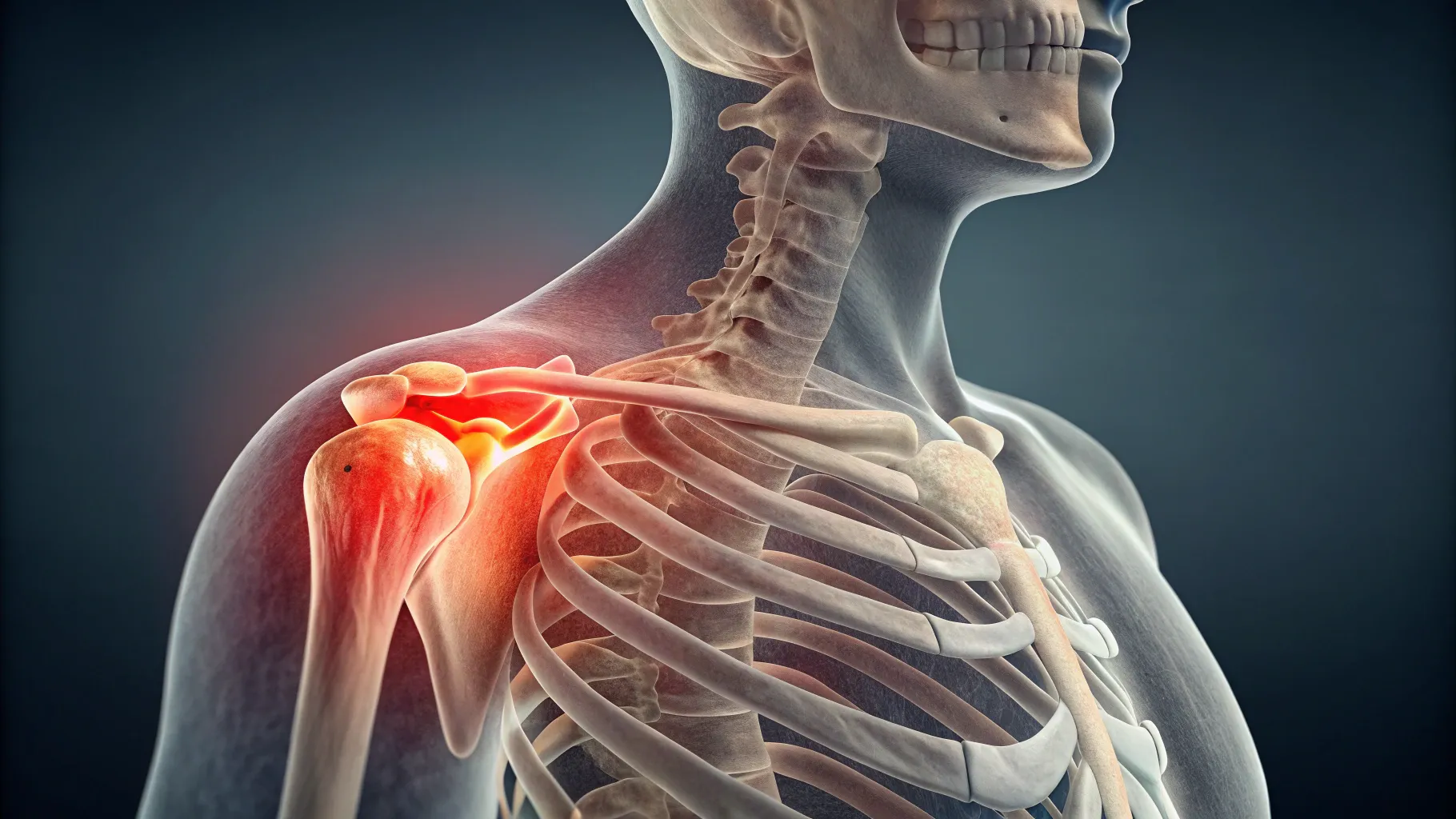
Common Locations and Their Specific Manifestations
While bursitis can occur in any joint, some areas are more susceptible due to their frequent use and exposure to repetitive motion. The ability to recognize early symptoms of bursitis often depends on understanding how they manifest in different parts of the body. The pain and discomfort can vary in intensity and character based on the affected joint.
Shoulder (Subacromial Bursitis)
Pain in the shoulder is one of the most common bursitis early symptoms. It typically presents as a dull ache on the top or outer part of the shoulder. The pain may worsen when you try to lift your arm overhead or when you lie on the affected side at night. You might notice stiffness and a reduced range of motion, making simple tasks like combing your hair or reaching for something on a high shelf difficult.
Elbow (Olecranon Bursitis)
Often called 'student's elbow' or 'popeye elbow,' this type is characterized by swelling at the tip of the elbow. The swelling can appear suddenly and be quite noticeable. While it might not be very painful initially, the area will likely be tender to the touch. The ability to recognize early symptoms of bursitis here involves looking for this distinct swelling, which can sometimes be accompanied by redness and warmth.
Hip (Trochanteric Bursitis)
Hip bursitis causes pain on the outer point of the hip, which can radiate down the thigh. The pain is often described as sharp and intense at first, eventually settling into a more widespread ache. This is one of the bursitis early symptoms that is particularly noticeable when getting up from a chair after sitting for a while, walking up stairs, or lying on the affected side.
Knee (Prepatellar Bursitis)
Known as 'housemaid's knee,' this condition involves swelling over the kneecap. The area may feel warm, tender, and swollen. Pain typically increases with activity and when kneeling. The challenge is to recognize early symptoms of bursitis in the knee, as they can be similar to other knee injuries. Look for localized swelling and pain that is specific to the front of the kneecap.
Distinguishing Bursitis Pain from Other Joint Issues
It can be difficult to differentiate bursitis early symptoms from conditions like arthritis or tendonitis, as they all involve joint pain and inflammation. However, there are key differences. Arthritis pain is typically a deep, aching pain inside the joint itself and is often associated with chronic stiffness, especially in the morning. Tendonitis, on the other hand, involves inflammation of a tendon and causes pain that is most acute when the specific muscle attached to that tendon is used. The key to being able to recognize early symptoms of bursitis is to note that the pain is often located over the bursa, slightly outside the joint, and is characterized by tenderness, localized swelling, and pain with specific motions that compress the bursa, rather than all joint movements.
Actionable Steps: When to Consult a Doctor
While some mild cases can be managed at home, certain signs indicate the need for professional medical evaluation. If you recognize early symptoms of bursitis and they are accompanied by any of the following, it is time to see a doctor. Prompt medical attention can prevent complications, such as infection (septic bursitis) or chronic inflammation that becomes increasingly difficult to treat.
- Fever or Chills: The presence of a fever alongside joint pain and swelling can be a sign of septic bursitis, a serious infection that requires immediate antibiotic treatment.
- Excessive Swelling and Redness: If the affected area is significantly swollen, bright red, and feels very warm to the touch, it points towards a more severe inflammatory response or infection.
- Inability to Move the Joint: If the pain is so severe that you cannot move the affected limb at all, you should seek medical help. This could indicate a more serious underlying issue.
- Symptoms Persist Beyond a Week: If you've tried basic self-care like rest and ice, but your bursitis early symptoms do not improve or worsen after a week, a doctor can provide an accurate diagnosis and a more effective treatment plan.
Preventative Measures and Early Management
Once you recognize early symptoms of bursitis, taking immediate action can help reduce inflammation and speed up recovery. Prevention is also key, especially if you engage in activities that put repetitive stress on your joints. Simple lifestyle adjustments can make a significant difference in both managing current symptoms and preventing future flare-ups. Focusing on proper ergonomics, regular stretching, and avoiding prolonged pressure on joints can protect your bursae from irritation and injury.
- Avoid Repetitive Motions: Take frequent breaks from tasks that involve repetitive movements. If your job requires it, try to vary your tasks throughout the day.
- Use Protective Padding: If you often lean on your elbows or kneel, use pads to cushion the joints and reduce direct pressure on the bursae.
- Warm-Up and Stretch: Always warm up properly before exercising and stretch afterward. This prepares your muscles and joints for activity and improves flexibility.
- Maintain a Healthy Weight: Excess weight puts more stress on your joints, particularly your hips and knees, increasing the risk of bursitis.
- Strengthen Surrounding Muscles: A targeted strengthening program can help support the joint and reduce the strain on the bursa. Consult with a physical therapist for appropriate exercises.
Frequently Asked Questions
What is the very first sign of bursitis?
The very first sign is typically a dull, localized ache or stiffness around a joint that worsens with pressure or movement. Unlike a sudden injury, the onset of bursitis early symptoms is often gradual. You might notice tenderness in a specific spot, like the tip of the elbow or the outer hip, before significant pain or swelling develops.
How can you effectively recognize early symptoms of bursitis at home?
To effectively recognize early symptoms of bursitis, pay attention to localized pain that feels 'superficial' rather than deep inside the joint. Gently press on the bony points around your major joints (shoulder, elbow, hip, knee). If you find a specific spot that is tender to the touch and experiences pain with certain movements but not others, it is likely a sign of bursitis.
Can bursitis early symptoms resolve on their own?
Yes, mild cases of bursitis can often resolve on their own with proper self-care. This includes resting the affected joint, avoiding activities that aggravate the pain, and applying ice packs to reduce inflammation. However, if the symptoms persist for more than a week or worsen, medical evaluation is recommended.
References
- Information from the American Academy of Orthopaedic Surgeons on bursitis.
- Clinical studies on the diagnosis and management of joint inflammation.
- National Institute of Arthritis and Musculoskeletal and Skin Diseases guidelines.
- Peer-reviewed articles on differentiating joint pain from various rheumatologic conditions.