
Causes of Eyelash Mites: Understanding Demodex and Risk Factors
Facts:
- Eyelash mites are microscopic and live on most adults.
- Poor hygiene is a major contributing factor for eyelash mite overgrowth.
Demystifying Demodex: The Root Causes of Eyelash Mites
Many people are surprised to learn that microscopic organisms live on their skin, and the eyelashes are no exception. The primary answer to what causes eyelash mites is the presence of tiny arachnids called Demodex. These mites are a natural part of the human microbiome, but certain conditions can cause their population to grow out of control, leading to irritation and inflammation. Understanding the triggers for this overgrowth is the first step toward managing the problem and maintaining healthy eyes. This guide will provide a deep dive into the specific causes, the associated symptoms of eyelash mites, and the crucial role of personal care.
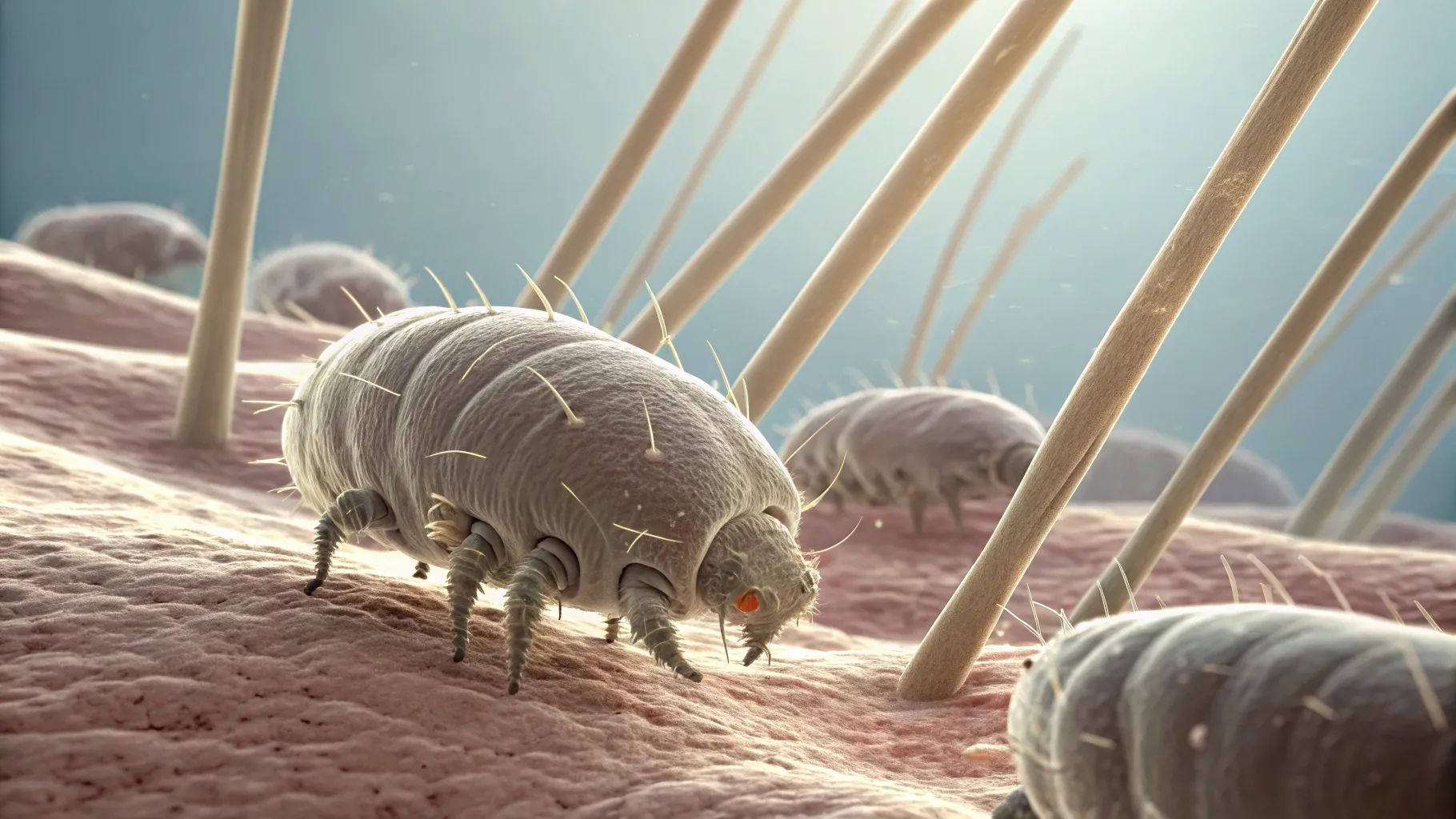
Demodex Mites Explained: The Primary Culprit
When we discuss the causes of eyelash mites, we're primarily referring to two species: Demodex folliculorum and Demodex brevis. The concept of demodex mites explained simply is that these are microscopic ectoparasites that live in or near the hair follicles of mammals, including humans. Demodex folliculorum resides within the eyelash follicles themselves, often in small groups, feeding on skin cells and oils. Demodex brevis, on the other hand, is more solitary and burrows into the sebaceous glands connected to the follicles. In small numbers, they are harmless and go unnoticed. However, an overpopulation can lead to a condition known as demodicosis, causing significant eye discomfort and visible symptoms along the lash line.
Key Eyelash Mite Risk Factors You Need to Know
While Demodex mites are ubiquitous, not everyone experiences problems. Several eyelash mite risk factors can increase the likelihood of an infestation. Age is one of the most significant factors; as people get older, their sebum production changes and their immune systems may weaken, creating a more favorable environment for mites. Individuals with underlying skin conditions such as rosacea, dermatitis, or alopecia are also at a higher risk. Furthermore, a compromised immune system, whether due to illness or immunosuppressive medications, can hinder the body's ability to keep the mite population in check. Understanding these predisposing factors is essential for both prevention and treatment.
The Critical Role of Hygiene and Eyelash Mites
The connection between hygiene and eyelash mites cannot be overstated. Poor facial hygiene is one of the most common and controllable causes of Demodex overgrowth. Failing to remove eye makeup, especially mascara and eyeliner, before sleeping provides a feast for mites and clogs the hair follicles, allowing them to reproduce rapidly. Sharing makeup, applicators, or even towels can transfer mites from one person to another. A consistent routine of thoroughly cleaning the face and eye area is a fundamental defense. This simple habit disrupts the mites' lifecycle and removes the excess oils and dead skin cells they thrive on, significantly reducing the risk of an infestation and the associated symptoms of eyelash mites.
Recognizing the Symptoms of Eyelash Mites
Early detection is key to managing a Demodex infestation. The symptoms of eyelash mites can range from mild annoyance to severe discomfort. Common signs include persistent itching along the lash line, especially upon waking, as mites are more active in the dark. Other symptoms are redness, a burning sensation, crusty residue at the base of the eyelashes (known as cylindrical dandruff), and a sensation of having something in the eye. In more advanced cases, individuals may experience blurred vision, inflammation of the eyelid (blepharitis), or even the loss of eyelashes. If you experience these symptoms, it's crucial to understand what causes eyelash mites and seek professional advice for a proper diagnosis and treatment plan.
Proactive Steps to Reduce Eyelash Mite Populations
Managing and preventing eyelash mite overgrowth involves proactive and consistent care. By addressing the core issues, you can create an environment that is inhospitable to these microscopic pests. Here are some actionable steps you can take:
- Thorough Daily Cleansing: Wash your face and eyelids twice daily with a gentle, non-soap cleanser. Consider using specialized eyelid cleansers or wipes containing a low concentration of tea tree oil, which is known to be effective against Demodex.
- Proper Makeup Removal: Never sleep with makeup on. Use a dedicated eye makeup remover to ensure all traces of mascara, eyeliner, and eyeshadow are gone before bed.
- Avoid Sharing Personal Items: Do not share eye makeup, makeup brushes, towels, or pillowcases. This is a direct route for transferring mites.
- Wash Bedding Regularly: Launder your sheets, pillowcases, and towels frequently in hot water to kill any mites that may be present.
- Review Your Cosmetics: Consider switching to non-oily cosmetics and skincare products. Replace eye makeup, especially mascara, every three months to prevent bacterial and mite buildup.
Frequently Asked Questions
What causes eyelash mites to become a problem?
Eyelash mites become a problem when their population grows excessively. The primary cause of this overgrowth is often related to specific eyelash mite risk factors, such as poor facial hygiene (especially not removing eye makeup), a weakened immune system, oily skin, or underlying skin conditions like rosacea. In a healthy individual with good hygiene, the mite population is typically kept in check.
Can you see eyelash mites with the naked eye?
No, you cannot see eyelash mites with the naked eye. They are microscopic, measuring only about 0.3 to 0.4 millimeters in length. An ophthalmologist or dermatologist needs to use a microscope to view a plucked eyelash to confirm their presence and diagnose an infestation.
Are eyelash mites contagious?
Yes, eyelash mites can be contagious through close personal contact or by sharing items that touch the face and eyes. This includes sharing pillows, towels, or eye makeup like mascara wands and eyeliners. This is why good personal hygiene and eyelash mites management are so closely linked, as avoiding sharing these items helps prevent transmission.
References
- American Academy of Ophthalmology studies on Demodex blepharitis.
- Journal of Ocular Immunology and Inflammation reports.
- National Institutes of Health research on human skin microbiota and parasites.
- Clinical and Experimental Optometry findings on tea tree oil efficacy.