
Chronic Dry Skin vs Eczema: What’s the Difference? A Clear Guide
Facts:
- Over 31 million Americans have a form of eczema.
- A rising trend is microbiome-friendly skincare for sensitive skin.
Decoding Your Skin: Understanding Chronic Dry Skin vs Eczema
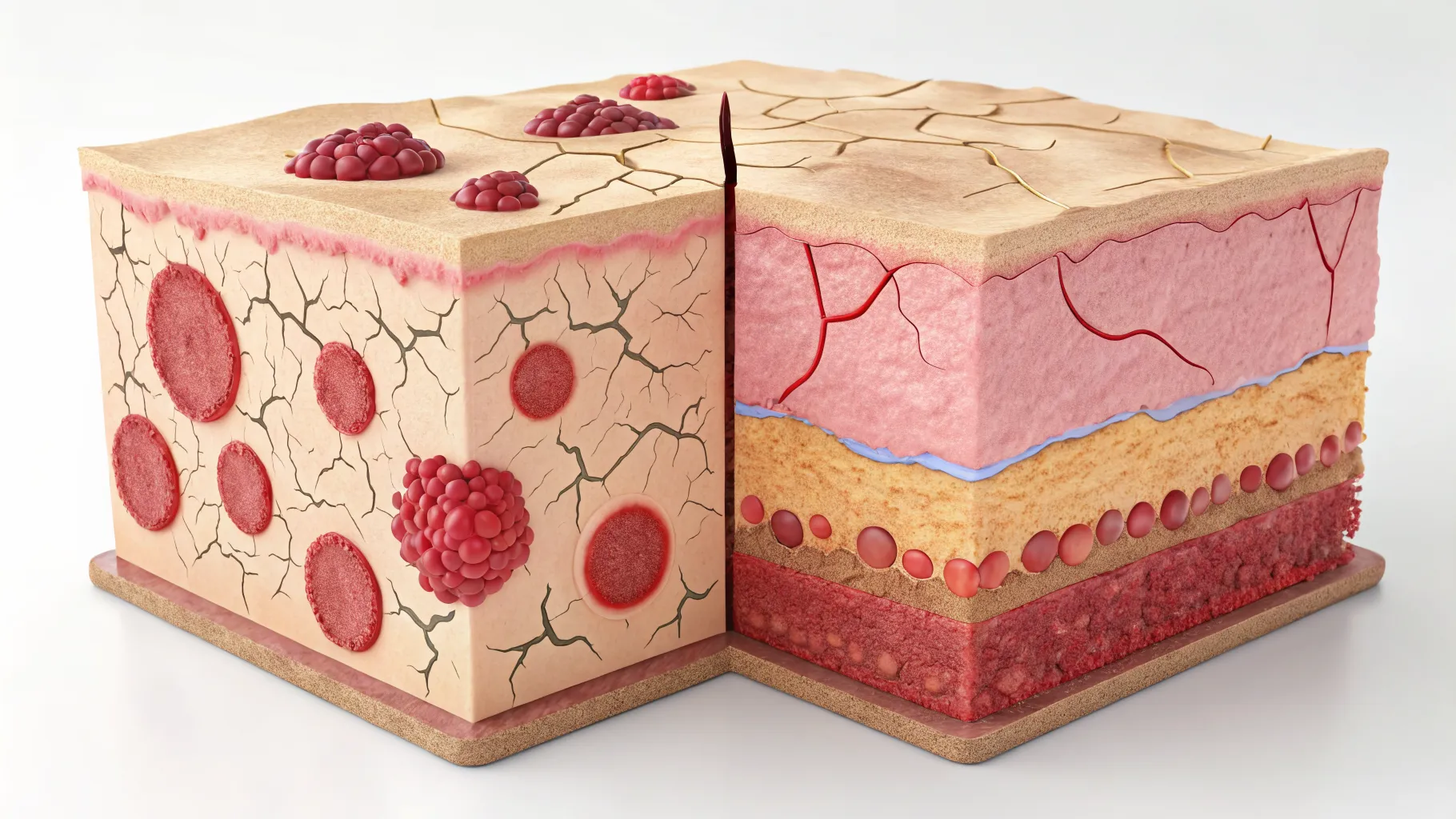
Figuring out if you have simple dryness or a more complex condition can be confusing. The debate over Chronic Dry Skin vs Eczema: What’s the Difference is common, as both conditions present with uncomfortable, flaky, and sometimes itchy skin. However, their underlying causes and optimal treatments are vastly different. Chronic dry skin, or xerosis, is typically an issue of moisture loss from the skin's outer layer, often exacerbated by environmental factors. Eczema, particularly atopic dermatitis, is an inflammatory condition rooted in an overactive immune response and genetic factors. Understanding the nuances is the first critical step toward effective and lasting relief.
What is Chronic Dry Skin (Xerosis)?
Chronic dry skin, medically known as xerosis, is a condition characterized by a lack of moisture in the epidermis, the outermost layer of skin. This isn't just occasional dryness from cold weather; it's a persistent state where the skin's protective barrier is compromised. This barrier, made of lipids and dead skin cells, is responsible for sealing in moisture. When it's weakened, water escapes too easily, leading to symptoms like scaling, fine lines, itching, and a feeling of tightness. Common causes include aging, harsh soaps, low humidity, and certain medical conditions like thyroid issues. While uncomfortable, chronic dry skin is primarily a hydration problem and does not typically involve the severe inflammation seen in other conditions. It's a key point of distinction when considering Chronic Dry Skin vs Eczema: What’s the Difference.
Understanding Eczema (Atopic Dermatitis)
Eczema, with atopic dermatitis being its most common form, is fundamentally different from dry skin. It is an inflammatory skin condition driven by a combination of genetics and an overactive immune system. The skin barrier in individuals with eczema is often genetically impaired, making it more susceptible to irritants and allergens. When triggered, the immune system overreacts, causing intense inflammation, redness, severe itching, and sometimes weeping blisters or thickened, leathery skin (lichenification). The itch associated with eczema is often severe and can lead to a debilitating itch-scratch cycle, where scratching worsens the inflammation and damage, leading to more itching. This inflammatory component is the core factor that separates it in the Chronic Dry Skin vs Eczema: What’s the Difference discussion.
Key Distinctions: A Side-by-Side Comparison
When you're trying to determine Chronic Dry Skin vs Eczema: What’s the Difference, looking at the specific symptoms and causes side-by-side is incredibly helpful. While both can cause itching and flaking, the nature of these symptoms varies significantly.
Underlying Cause
The primary difference lies at the root. Chronic dry skin is an external issue of moisture loss. Think of it as a leaky barrier. Eczema is an internal issue of inflammation and immune system dysfunction, which then causes a leaky barrier. This is the most critical distinction to grasp.
Appearance and Sensation
Dry skin often looks dull, with fine flakes or scales, and may feel tight, especially after bathing. The itching is usually mild to moderate. In contrast, eczema typically presents as red, inflamed patches. The skin can be swollen, weepy, or crusted over. In chronic cases, the skin can become thick and leathery. The itch of eczema is notoriously intense and persistent, often disrupting sleep and daily activities.
Common Locations
While chronic dry skin can appear anywhere, it's very common on the lower legs, arms, and abdomen. Eczema has classic patterns of distribution, often appearing in the creases of the elbows and knees, as well as on the hands, feet, face, and neck.
Effective Management and Treatment Strategies
Addressing your skin properly depends entirely on getting the diagnosis right. The strategies for managing chronic dry skin and eczema overlap but have key differences, especially when it comes to managing inflammation.
- Intense Moisturization: This is crucial for both. For chronic dry skin, a thick, occlusive moisturizer (like petroleum jelly or creams with ceramides) applied after bathing is often sufficient. For eczema, this is also a foundational step, but it's about supporting a compromised barrier while other treatments address the inflammation.
- Identifying and Avoiding Triggers: This is more central to managing eczema. Common triggers include allergens (dust mites, pollen), irritants (fragrances, certain fabrics like wool), stress, and specific foods. For dry skin, the primary triggers are environmental, like low humidity and hot water.
- Bathing Habits: For both conditions, it's advised to take short, lukewarm baths or showers. Hot water strips the skin of its natural oils. Use a gentle, fragrance-free cleanser and pat the skin dry before immediately applying moisturizer.
- Medical Intervention: This is where the paths truly diverge. Chronic dry skin rarely requires more than over-the-counter emollients. However, managing eczema often involves prescription treatments like topical corticosteroids to control inflammation, calcineurin inhibitors, or even systemic medications for severe cases. This is why a professional diagnosis is vital when debating Chronic Dry Skin vs Eczema: What’s the Difference.
Frequently Asked Questions
Can chronic dry skin turn into eczema?
No, chronic dry skin cannot turn into eczema because their underlying causes are different. However, severely dry skin can compromise the skin barrier, potentially making you more susceptible to irritants that could trigger an eczema flare-up if you are already genetically predisposed to the condition. Solving the Chronic Dry Skin vs Eczema puzzle often starts here.
Is the treatment for chronic dry skin and eczema the same?
While both benefit from gentle skincare and heavy moisturizing, the core treatments differ. Eczema treatment focuses on reducing inflammation with medications like topical steroids, which are not necessary for chronic dry skin. Using the wrong treatment can be ineffective or even harmful.
What are the main triggers to avoid for my skin?
If you have chronic dry skin, avoid long, hot showers, harsh soaps, and low-humidity environments. If you have eczema, you should also avoid those things, but additionally identify and avoid personal triggers which can include allergens like pollen and dust, irritants like fragrance and wool, and even stress.
References
- National Eczema Association: Understanding Eczema and its Triggers.
- American Academy of Dermatology (AAD): Dry Skin: Diagnosis and Treatment.
- Journal of Clinical and Aesthetic Dermatology: The Role of the Skin Barrier in Atopic Dermatitis.