
Cochlear Bone Conduction Hearing Aid: Your Guide to Advanced Hearing Solutions
Fast Facts:
- Cochlear bone conduction technology offers a unique hearing pathway.
- Trends show increasing demand for waterproof bone conduction hearing aids for active users.
The Breakthrough in Hearing: Understanding Cochlear Bone Conduction Hearing Aid Technology
The landscape of audiology has been significantly advanced by the introduction and refinement of the Cochlear Bone Conduction Hearing Aid. Unlike conventional hearing aids that amplify sound through the ear canal, these innovative devices bypass the outer and middle ear entirely, transmitting sound vibrations directly to the inner ear via bone conduction. This method is particularly beneficial for individuals with conductive hearing loss, mixed hearing loss, or bone conduction hearing aid for single sided deafness, offering a clear and natural sound experience. The technology leverages the body's natural ability to transmit sound through bone, providing an alternative route for sound perception when the traditional air conduction pathway is compromised. Understanding how these systems work is the first step towards appreciating their transformative potential for those seeking effective hearing solutions beyond conventional devices.
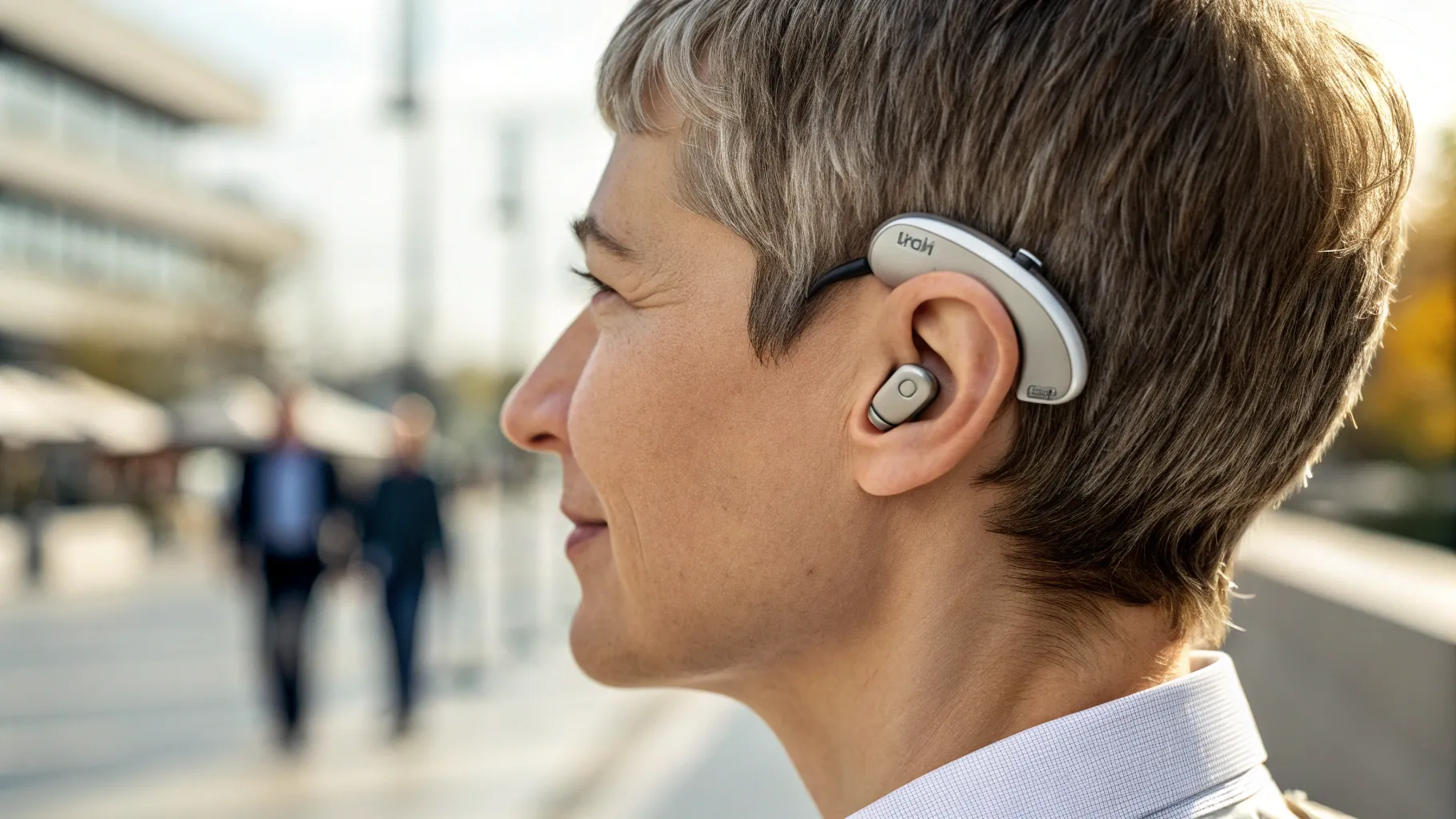
Who Benefits Most from a Cochlear Bone Conduction Hearing Aid?
A Cochlear Bone Conduction Hearing Aid offers a lifeline to a diverse range of individuals, significantly improving quality of life. Primarily, those with conductive hearing loss, where sound transmission through the outer or middle ear is impeded, find immense relief. This can be due to chronic ear infections, congenital malformations, or trauma. Furthermore, individuals experiencing mixed hearing loss, a combination of conductive and sensorineural issues, can also benefit substantially. A significant demographic that finds particular advantage is those with bone conduction hearing aid for single sided deafness, also known as unilateral hearing loss. For these users, the device can transfer sound from the deaf side to the hearing ear, enhancing spatial awareness and speech understanding. Additionally, people with conditions that prevent the use of traditional in-ear or behind-the-ear devices, such as chronic ear discharge or canal closure, find bone conduction solutions to be a comfortable and hygienic alternative. The versatility of these aids extends to providing clearer sound without irritating the ear canal, making them ideal for long-term wear and consistent performance.
Exploring Bone Conduction Hearing Aids for Sale and Key Features
When considering bone conduction hearing aids for sale, it's crucial to understand the range of features and options available to make an informed decision. Modern bone conduction devices come with advanced digital processing, offering superior sound clarity and noise reduction capabilities. Key features often include directional microphones that focus on speech, wireless connectivity for streaming audio from smartphones or other devices, and rechargeable batteries for convenience. Design variations range from discreet, behind-the-ear processors to more integrated systems that are barely noticeable. Some models offer varying power levels to accommodate different degrees of hearing loss, while others boast specific algorithms designed to enhance music appreciation or speech in noisy environments. Researching available models and understanding their specifications, user reviews, and technological advancements is essential to finding a device that perfectly matches individual hearing needs and lifestyle demands. Many reputable providers offer comprehensive consultations to help navigate the selection process, ensuring a tailored solution.
Specialized Bone Conduction Solutions: Sports and Waterproof Designs
For active individuals, the demands on hearing aids are unique, requiring durability and resistance to environmental factors. This has led to the development of specialized solutions, including bone conduction hearing aid for sports users and waterproof bone conduction hearing aids. Athletes and individuals with active lifestyles can now enjoy improved hearing without compromising their performance or risking damage to their devices. Bone conduction hearing aids designed for sports often feature secure-fit mechanisms, lightweight construction, and robust materials that can withstand rigorous physical activity. The emphasis is on comfort and stability, ensuring the device stays in place during movement. Furthermore, the advent of waterproof bone conduction hearing aids has been a game-changer for swimmers, divers, and anyone exposed to moisture. These devices are sealed to protect against water ingress, allowing users to participate in water-based activities or simply navigate rainy conditions without concern. This level of specialization ensures that hearing loss doesn't have to be a barrier to pursuing passions and maintaining an active, fulfilling life.
Navigating Cochlear Bone Conduction Hearing Aid Cost and Financing Options
Understanding the Cochlear Bone Conduction Hearing Aid cost and financing options is a critical step for many potential users. The initial investment for these advanced devices can vary significantly depending on the model, features, and brand. Factors influencing cost include the level of technology, accessories, and professional services such as fitting and follow-up care. While the price may seem substantial, it's important to view it as an investment in improved communication, safety, and overall quality of life. Fortunately, various financing options are often available to make these devices more accessible. These can include payment plans offered by clinics, medical loans, or even assistance programs from non-profit organizations. Many health insurance policies, particularly private plans, may cover a portion of the cost, so it's advisable to check with your provider. Government programs or specific disability benefits might also offer support. Exploring all potential avenues for financial assistance and understanding the long-term benefits versus cost is key to making an informed decision about acquiring a Cochlear Bone Conduction Hearing Aid.
Choosing the Right Cochlear Bone Conduction Hearing Aid for You
Selecting the optimal Cochlear Bone Conduction Hearing Aid involves careful consideration of individual needs, lifestyle, and specific hearing challenges. It’s not a one-size-fits-all solution; what works perfectly for one person with bone conduction hearing aid for single sided deafness might not be ideal for a bone conduction hearing aid for sports users. Key factors to weigh include the degree and type of hearing loss, which your audiologist will accurately assess. Your daily activities are crucial: if you lead an active lifestyle, robust and potentially waterproof bone conduction hearing aids will be paramount. Aesthetic preferences also play a role, as devices vary in size and how discreetly they integrate into your appearance. Furthermore, understanding the technological features such as Bluetooth connectivity, battery life (rechargeable vs. disposable), and processor strength will influence your decision. Finally, consider the long-term support offered by the provider, including warranty, maintenance, and programming adjustments, which are vital for sustained performance. A thorough consultation with an experienced audiologist who specializes in bone conduction devices is indispensable to guide you through these choices and ensure you select the best possible solution for your unique circumstances.
- Consult with an Audiologist: Schedule a comprehensive hearing evaluation to determine the specific type and degree of your hearing loss. An audiologist can recommend appropriate Cochlear Bone Conduction Hearing Aid models tailored to your audiogram and lifestyle.
- Trial Different Models: If possible, ask your audiologist about trial periods for different bone conduction devices. Experiencing the sound quality and comfort in various environments, including challenging listening situations, is invaluable before making a purchase, especially when looking at bone conduction hearing aids for sale.
- Research Features and Connectivity: Prioritize features that enhance your daily life, such as wireless streaming capabilities for phone calls or music, and compatibility with assistive listening devices. Consider if you need features like those in waterproof bone conduction hearing aids or designs for bone conduction hearing aid for sports users.
- Understand Maintenance and Support: Inquire about the maintenance requirements, expected battery life, and warranty terms. Knowing what support is available post-purchase, including follow-up adjustments and repairs, is crucial for long-term satisfaction.
- Explore Financing and Insurance: Investigate all potential avenues for financial assistance, including insurance coverage, payment plans, and governmental subsidies to manage the Cochlear Bone Conduction Hearing Aid cost and financing options effectively.
Frequently Asked Questions
What is a Cochlear Bone Conduction Hearing Aid and how does it work?
A Cochlear Bone Conduction Hearing Aid is a device that transmits sound vibrations directly to the inner ear through the skull bone, bypassing the outer and middle ear. This is ideal for conductive or mixed hearing loss, and also for bone conduction hearing aid for single sided deafness, as it leverages the bone's natural ability to conduct sound.
Are there bone conduction hearing aids for sale that are waterproof?
Yes, many manufacturers now offer waterproof bone conduction hearing aids designed for active users and those who need durability in moist environments, allowing for use during swimming or in rainy conditions.
How much does a Cochlear Bone Conduction Hearing Aid cost?
The Cochlear Bone Conduction Hearing Aid cost and financing options vary widely based on the model, features, and professional services required. It's recommended to consult with an audiologist and explore insurance or financing plans.
Can I use a bone conduction hearing aid for sports?
Absolutely. There are specific bone conduction hearing aid for sports users designed to be robust, secure, and often waterproof, allowing athletes and active individuals to maintain their lifestyle while enjoying improved hearing.
Is a Cochlear Bone Conduction Hearing Aid suitable for single-sided deafness?
Yes, bone conduction hearing aid for single sided deafness is a highly effective solution. The device can transfer sound from the non-hearing side to the hearing ear, significantly improving sound localization and speech understanding in noisy environments.
References
- The role of bone conduction in hearing restoration.
- Technological advancements in implantable hearing devices.
- Clinical outcomes and patient satisfaction with bone conduction hearing aids.
- Guidelines for fitting and programming bone conduction systems.
- Impact of bone conduction technology on quality of life for hearing impaired individuals.