
Avoiding Pitfalls: Common Mistakes on a Kidney-Friendly Diet
Facts:
- Sodium intake is a major concern for kidney health.
- Growing interest in balanced nutrition for Kidney Friendly Diet management.
Understanding the Challenges of a Kidney Friendly Diet
Embarking on a Kidney Friendly Diet is a crucial step towards managing kidney health and preventing further complications. However, this specialized eating plan often presents unique challenges, leading many individuals to inadvertently make common mistakes that can undermine their efforts. Successfully adhering to a Kidney Friendly Diet requires not just knowledge of what to eat, but a deep understanding of nutritional principles, portion control, and the hidden pitfalls that can derail progress. This comprehensive guide will illuminate the most frequent missteps, empowering you to navigate your dietary journey with greater confidence and effectiveness.
Mistake 1: Underestimating Hidden Sodium in Foods
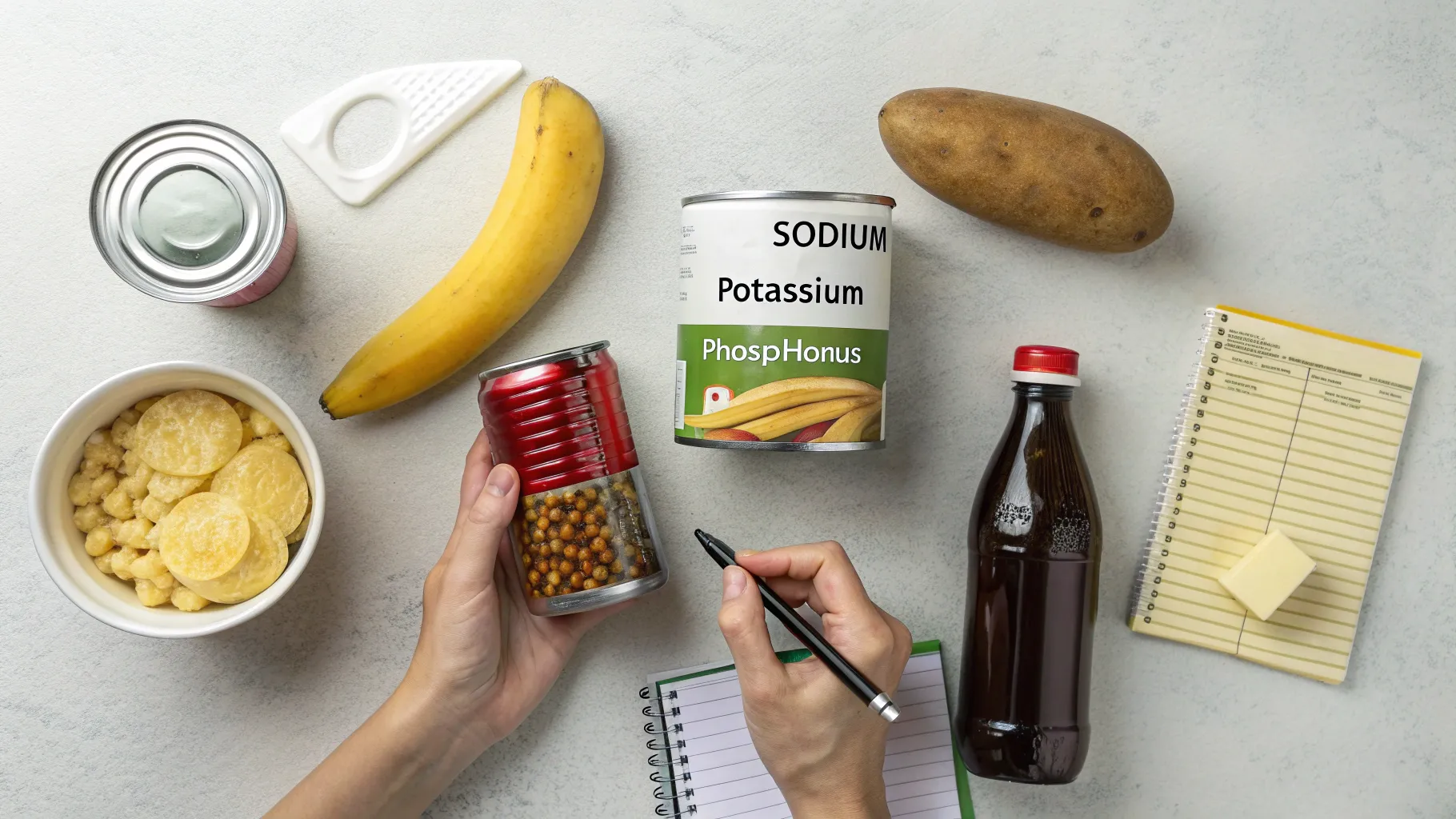
Many people on a Kidney Friendly Diet diligently avoid table salt but overlook the vast amounts of hidden sodium present in processed foods. This includes canned soups, frozen dinners, cured meats, deli cheeses, and even seemingly innocuous items like bread and condiments. Sodium contributes to fluid retention and elevated blood pressure, significantly stressing compromised kidneys. To truly adhere to a Kidney Friendly Diet, it's essential to become a vigilant label reader, opting for low-sodium or no-salt-added versions whenever possible and prioritizing fresh, whole foods. Understanding the various names for sodium on ingredient lists, such as monosodium glutamate (MSG) or sodium benzoate, is also critical for effective management.
Mistake 2: Failing to Monitor Potassium Intake
Potassium is a vital mineral, but for those with kidney disease, excess levels can be dangerous, leading to hyperkalemia and potential heart problems. While fruits and vegetables are generally healthy, some are very high in potassium (e.g., bananas, potatoes, oranges, tomatoes). A common mistake on a Kidney Friendly Diet is to consume these in unrestricted amounts, unaware of their potassium content. Careful portioning and choosing lower-potassium alternatives, such as apples, berries, green beans, or lettuce, are crucial. Leaching methods for certain vegetables, like soaking sliced potatoes, can also help reduce potassium. Consulting a dietitian specializing in Kidney Friendly Diet is invaluable for personalizing potassium management.
Mistake 3: Ignoring Phosphorus Overload
Phosphorus is another mineral that becomes problematic for damaged kidneys, as they struggle to excreting it. High phosphorus levels can weaken bones and cause calcium deposits in soft tissues and blood vessels. Processed foods, colas, dairy products, nuts, and whole grains are often rich in phosphorus. A significant error in a Kidney Friendly Diet is not recognizing the prevalence of inorganic phosphorus additives (e.g., phosphoric acid, sodium phosphate) in packaged foods, which are absorbed much more readily than natural plant-based phosphorus. Prioritizing fresh produce and lean proteins while being diligent about reading ingredient lists for phosphorus additives is key to avoiding this mistake and maintaining a true Kidney Friendly Diet.
Mistake 4: Insufficient Protein Management
Protein intake on a Kidney Friendly Diet is a delicate balance. Too much protein can create more waste products for the kidneys to filter, accelerating damage. Conversely, too little protein can lead to malnutrition and muscle wasting. The common mistake is either over-restricting protein without proper guidance or consuming excessive amounts, especially from animal sources. The type of protein also matters; plant-based proteins can sometimes be preferred. It's vital to work with a healthcare provider or registered dietitian to determine the appropriate protein intake for your specific stage of kidney disease. They can guide you on portion sizes for lean meats, poultry, fish, eggs, and plant-based options to ensure your Kidney Friendly Diet is both safe and adequate.
Mistake 5: Neglecting Fluid Restrictions and Intake
For many individuals on a Kidney Friendly Diet, fluid restrictions become necessary as kidneys lose their ability to excrete excess water, leading to swelling, shortness of breath, and dangerously high blood pressure. A critical mistake is either consuming too much fluid or, conversely, not consuming enough if restrictions aren't yet in place or if dehydration is a risk. All liquids count towards fluid intake, including water, coffee, tea, soup, and even foods with high water content like fruits and ice cream. Patients must diligently track their daily fluid intake and understand their individual prescribed limits. Managing thirst by sucking on ice chips, chewing gum, or rinsing the mouth without swallowing can be helpful strategies within a strict Kidney Friendly Diet.
Practical Steps for a Successful Kidney Friendly Diet
- Become a Label Detective: Always read nutrition labels carefully, looking for sodium, potassium, and phosphorus content. Pay special attention to phosphorus additives.
- Prioritize Fresh, Whole Foods: Build your meals around unprocessed fruits, vegetables (mindful of potassium), and lean proteins to better control nutrient intake within your Kidney Friendly Diet.
- Master Portion Control: Even kidney-friendly foods need to be consumed in appropriate portions to avoid overload of minerals. Use measuring cups and scales.
- Hydrate Smartly: Work with your doctor to understand your specific fluid intake guidelines. If restrictions apply, track every liquid consumed.
- Consult a Renal Dietitian: This is perhaps the most crucial step. A dietitian can provide personalized guidance, meal plans, and education tailored to your specific needs and stage of kidney disease, ensuring your Kidney Friendly Diet is optimized for your health.
Frequently Asked Questions
Can I still eat fruits on a Kidney Friendly Diet?
Yes, you can, but selection and portion control are key. While some fruits like bananas, oranges, and melons are high in potassium, many others are lower and can be enjoyed. Examples include apples, berries (strawberries, blueberries, raspberries), grapes, and pears. A renal dietitian can help you create a fruit plan that fits your specific Kidney Friendly Diet requirements, balancing nutritional needs with mineral restrictions.
Are whole grains always better for a Kidney Friendly Diet?
Not necessarily. While whole grains are generally healthy, they are often higher in phosphorus and potassium compared to refined grains. For someone on a strict Kidney Friendly Diet, white bread, white rice, or pasta might be recommended in moderation over their whole-grain counterparts to manage phosphorus levels. Always consult your dietitian to determine the best grain choices for your individual kidney health needs, as recommendations can vary greatly depending on the stage of kidney disease.
How can I make food taste good without adding too much salt to my Kidney Friendly Diet?
Flavoring food without salt is absolutely possible and enjoyable! Herbs and spices are your best friends on a Kidney Friendly Diet. Experiment with garlic powder (not garlic salt), onion powder, dill, parsley, basil, oregano, rosemary, thyme, lemon juice, vinegar, and various salt-free spice blends. You can also roast vegetables to enhance their natural sweetness or use homemade broths. Avoiding high-sodium processed foods will also help your palate adjust to less salt, allowing you to appreciate the natural flavors more.
References
- National Kidney Foundation Guidelines
- American Association of Kidney Patients Resources
- Renal Dietitians' Practice Group Recommendations
- Peer-reviewed studies on kidney disease nutrition