
Common Vaginal Health Problems After 40: A Comprehensive Guide
Facts:
- Over 50% of postmenopausal women experience vaginal dryness.
- Hormonal shifts are a primary driver for women over 40.
Navigating Your Body's New Chapter: Vaginal Health After 40
As women transition into their 40s and beyond, the body undergoes significant hormonal changes, primarily due to perimenopause and menopause. These shifts, particularly the decline in estrogen, can lead to a variety of noticeable changes in vaginal health. Understanding these developments is the first step toward managing them effectively. This guide delves into the Common Vaginal Health Problems After 40, offering insights and solutions to help you maintain comfort, confidence, and overall well-being. Addressing these issues proactively can dramatically improve your quality of life during this new phase.
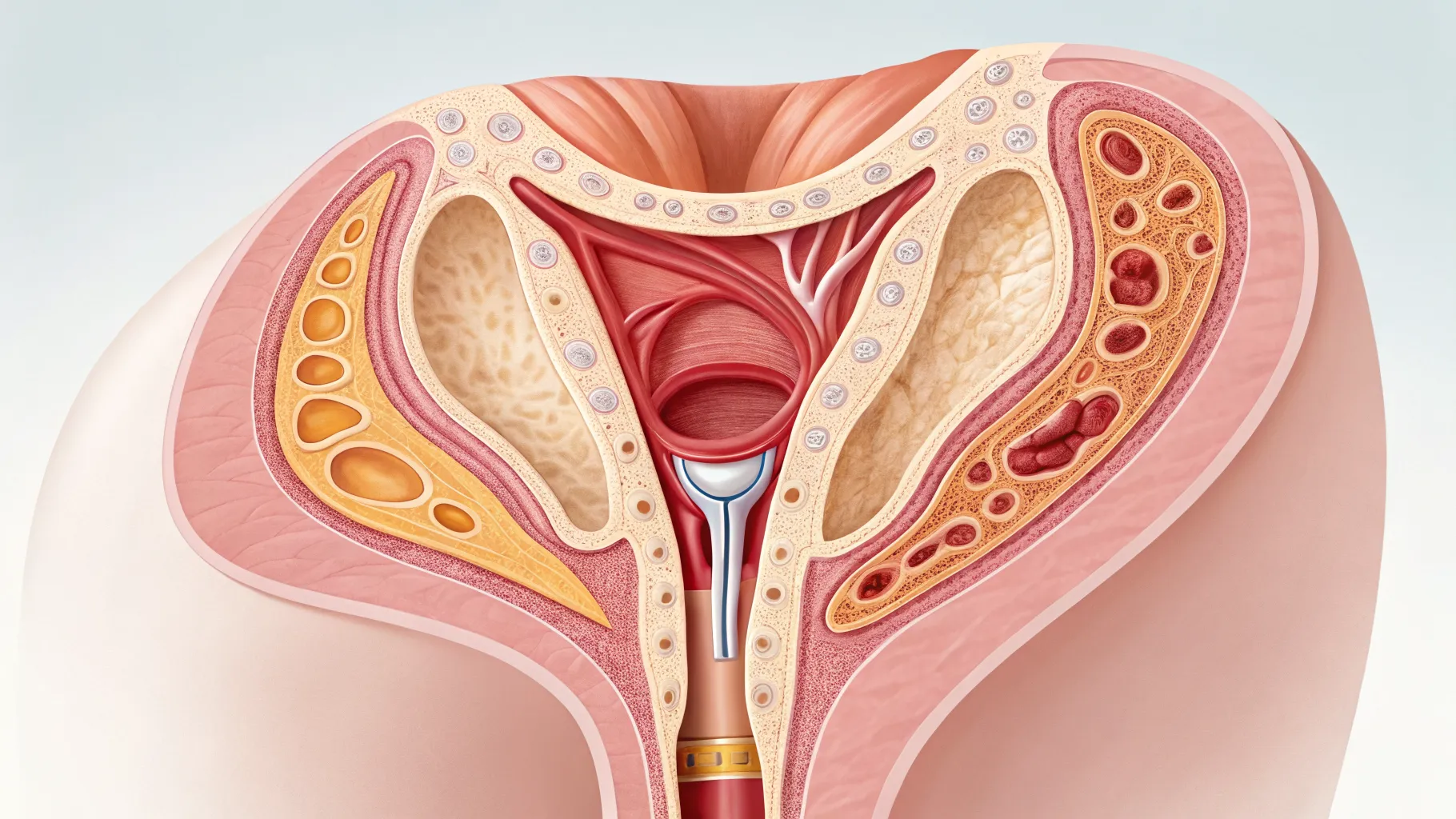
Vaginal Atrophy: The Impact of Lower Estrogen
One of the most prevalent Common Vaginal Health Problems After 40 is vaginal atrophy, also known as genitourinary syndrome of menopause (GSM). This condition is a direct result of decreased estrogen levels. Estrogen is crucial for maintaining the thickness, elasticity, and lubrication of the vaginal walls. When its levels drop, the vaginal tissues can become thinner, drier, and more fragile. This can lead to symptoms such as vaginal dryness, burning, itching, and pain during intercourse (dyspareunia). The discomfort is not just physical; it can also have a significant emotional impact, affecting intimacy and self-esteem. It's important to recognize that this is a medical condition, not just a normal part of aging that must be endured without help.
Urinary Incontinence and Pelvic Floor Weakness
The muscles of the pelvic floor, which support the bladder, uterus, and bowels, can weaken with age, childbirth, and hormonal changes. This weakening is a key factor in several Common Vaginal Health Problems After 40, most notably urinary incontinence. There are two main types: stress incontinence, where urine leaks during activities that put pressure on the bladder like coughing, sneezing, or exercising, and urge incontinence, characterized by a sudden, intense urge to urinate followed by an involuntary loss of urine. Many women experience a mix of both. Weakened pelvic floor muscles can also contribute to pelvic organ prolapse, a condition where one or more pelvic organs drop from their normal position. Addressing pelvic floor health through targeted exercises and medical consultation is essential for management.
Shifts in Libido and Sexual Function
Changes in sexual desire and function are multifaceted and very common after 40. Hormonal fluctuations, particularly declining estrogen and testosterone, can directly impact libido. Furthermore, the physical discomfort associated with vaginal atrophy, such as dryness and pain during sex, can create a cycle of anxiety and avoidance around intimacy. This makes it one of the most emotionally challenging Common Vaginal Health Problems After 40. It's not just about hormones; stress, body image, and relationship dynamics also play a significant role. Open communication with a partner and a healthcare provider is vital to explore solutions, which can range from lubricants and moisturizers to hormone therapy and counseling.
Increased Susceptibility to Infections
The vaginal ecosystem is a delicate balance of bacteria, maintained by a naturally acidic pH level. Estrogen plays a role in sustaining this environment. As estrogen levels fall, the vaginal pH can become less acidic, disrupting the balance of good bacteria. This change makes the vagina more susceptible to infections. Consequently, women over 40 may experience a higher incidence of bacterial vaginosis (BV) and yeast infections. Furthermore, the thinning of the urethral lining can increase the risk of urinary tract infections (UTIs). Recognizing the symptoms of these infections—such as unusual discharge, odor, itching, or burning during urination—and seeking prompt treatment is crucial to prevent complications and recurring issues.
Proactive Treatments and Management Strategies
Fortunately, there are numerous effective ways to manage the Common Vaginal Health Problems After 40. It is not something you simply have to live with. Here are some actionable steps you can take:
- Vaginal Moisturizers and Lubricants: Over-the-counter moisturizers can be used regularly to restore moisture to vaginal tissues, while lubricants should be used during sexual activity to reduce friction and pain.
- Pelvic Floor Exercises (Kegels): Regularly performing Kegel exercises can strengthen the pelvic floor muscles, which helps improve symptoms of urinary incontinence and provides better bladder control.
- Hormone Therapy (HT): For many women, local estrogen therapy (creams, rings, or tablets) can directly treat vaginal atrophy symptoms with minimal systemic absorption. Systemic HT is also an option for managing a wider range of menopausal symptoms.
- Lifestyle Adjustments: Staying hydrated, maintaining a healthy weight, avoiding bladder irritants like caffeine and alcohol, and quitting smoking can all positively impact vaginal and urinary health.
- Open Dialogue with Your Doctor: Do not hesitate to discuss your symptoms with a healthcare provider. They can offer a proper diagnosis and tailor a treatment plan that is right for you.
Frequently Asked Questions
Is it normal to have vaginal dryness after 40?
Yes, vaginal dryness is one of the most Common Vaginal Health Problems After 40. It is primarily caused by declining estrogen levels during perimenopause and menopause, which leads to thinner and less lubricated vaginal tissues. It is a treatable medical condition.
Can I do anything to prevent urinary incontinence?
While not always entirely preventable, you can significantly reduce your risk and manage symptoms by strengthening your pelvic floor muscles with Kegel exercises, maintaining a healthy weight, and avoiding smoking and bladder irritants. Regular exercise and a balanced diet are also beneficial.
Are changes in libido permanent after menopause?
Changes in libido are complex but not necessarily permanent. Addressing the physical symptoms that make sex uncomfortable, like dryness, is a crucial first step. Additionally, treatments like hormone therapy, counseling, and open communication with your partner can help restore sexual desire and function.
References
- The North American Menopause Society (NAMS)
- American College of Obstetricians and Gynecologists (ACOG)
- International Urogynecological Association (IUGA)
- Journal of Women's Health