
A Comprehensive Guide to Dental Crown Treatment
A dental crown is a custom-made 'cap' that is placed over a tooth to restore its shape, size, strength, and improve its appearance. When cemented into place, a crown fully encases the entire visible portion of a tooth that lies at and above the gum line. Understanding the process can help demystify the treatment and prepare you for what to expect.
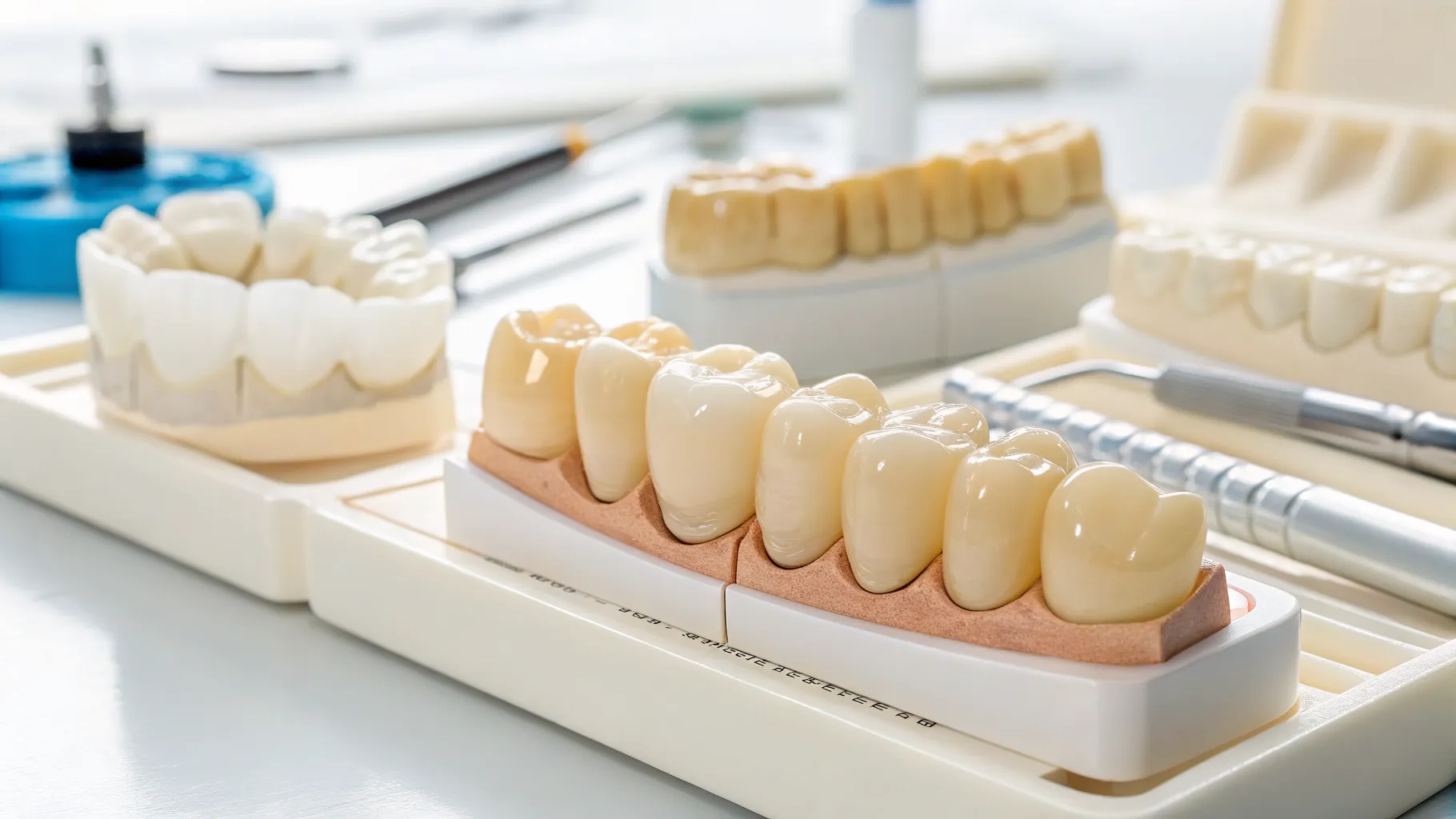
What is the Purpose of a Dental Crown?
Dental crowns serve both restorative and cosmetic purposes. Primarily, they are used to protect a weak or damaged tooth from further harm. For instance, a tooth that has undergone a root canal is often brittle and requires a crown for support. Similarly, a tooth with a large filling and not much natural tooth structure remaining is a prime candidate for a crown.
From a functional standpoint, a crown can restore a broken or severely worn-down tooth to its original shape and size, allowing for proper chewing function. Cosmetically, crowns are used to cover misshapen or severely discolored teeth, creating a more uniform and aesthetically pleasing smile. They are also used to cover a dental implant or to anchor a dental bridge.
When Might You Need a Dental Crown?
A dentist may recommend a dental crown for several reasons. The decision is typically based on the condition of your tooth and your overall dental health goals. It is a versatile solution for a wide range of dental issues that require more than a simple filling but less than a full tooth extraction.
Common situations that call for a dental crown include:
- Protecting a weak tooth from breaking or holding together parts of a cracked tooth.
- Restoring a tooth that is already broken or has been severely worn down.
- Covering and supporting a tooth that has a large filling when there isn't a lot of tooth left.
- Holding a dental bridge in place.
- Covering a dental implant to provide a tooth-like shape and structure for function.
- Addressing cosmetic concerns by covering misshapen or severely discolored teeth.
Exploring the Different Types of Crowns
Dental crowns can be made from a variety of materials, and the best option for you will depend on factors like the location of the tooth, the function it performs, your aesthetic preferences, and your budget. Your dentist will discuss the pros and cons of each type to help you make an informed decision.
The most common materials include all-ceramic or all-porcelain, which provide the best natural color match and are often used for front teeth. Porcelain-fused-to-metal (PFM) crowns offer a strong metal structure with a porcelain exterior for a tooth-like appearance. Metal alloys, including gold, offer superior strength and durability, making them an excellent choice for back molars that endure heavy chewing forces. Zirconia crowns have become increasingly popular as they combine the strength of metal with the aesthetic appeal of porcelain.
The Dental Crown Procedure: What to Expect
Getting a dental crown typically requires two visits to the dentist. The first visit is for examination and tooth preparation, while the second is for placing the permanent crown. During the first appointment, your dentist will examine the tooth to ensure it can support a crown and may take X-rays. Then, the tooth will be numbed and filed down along the chewing surface and sides to make room for the crown itself.
After reshaping the tooth, an impression is taken of the prepared tooth and the surrounding teeth. This impression is sent to a dental lab where the crown will be manufactured. Your dentist will make a temporary crown to cover and protect the prepared tooth while you wait for the permanent one. At the second visit, the temporary crown is removed, and the permanent crown's fit and color are checked. If everything is acceptable, the new crown is permanently cemented in place.
Caring for Your New Dental Crown
A crowned tooth does not require any special care beyond regular good oral hygiene. However, it's important to remember that while the crown itself cannot get a cavity, the underlying tooth and the area where the crown meets the gum are still vulnerable to decay. Therefore, maintaining a consistent oral health routine is crucial for the longevity of your crown.
To care for your crown, you should continue to brush your teeth twice a day and floss daily. Pay special attention to the area around the crown to remove any plaque buildup at the gum line. It is also wise to avoid chewing on very hard foods, ice, or other hard objects, as this can potentially damage or dislodge the crown. If you have a habit of clenching or grinding your teeth, your dentist may recommend a night guard to protect your crown and natural teeth.
Lifespan and Potential Issues with Crowns
On average, dental crowns last between five and 15 years. The lifespan of a crown depends on the amount of wear and tear it is exposed to, how well you follow good oral hygiene practices, and your personal mouth-related habits. For example, avoiding habits like grinding your teeth, chewing ice, or biting your fingernails can significantly extend the life of your crown.
While crowns are highly successful, some issues can arise. You might experience temporary sensitivity to hot or cold after the procedure. If the crown feels loose or chips, it's important to contact your dentist right away. A loose crown can allow bacteria to seep in and cause decay in the remaining tooth. Regular dental checkups are essential for monitoring the condition of your crown and ensuring it continues to function correctly.