Senior Puppies Available for Rescue Near You
The phrase “senior puppies available for rescue near you” combines terms that do not always fit together. A puppy is a young dog, while a senior is an older dog, so the wording may describe an older puppy, an adolescent dog, or a senior dog whose listing uses “puppy” loosely. This article explains what the phrase means in practice, where nearby rescue animals are usually found, how the placement process works, and what care older dogs may require.
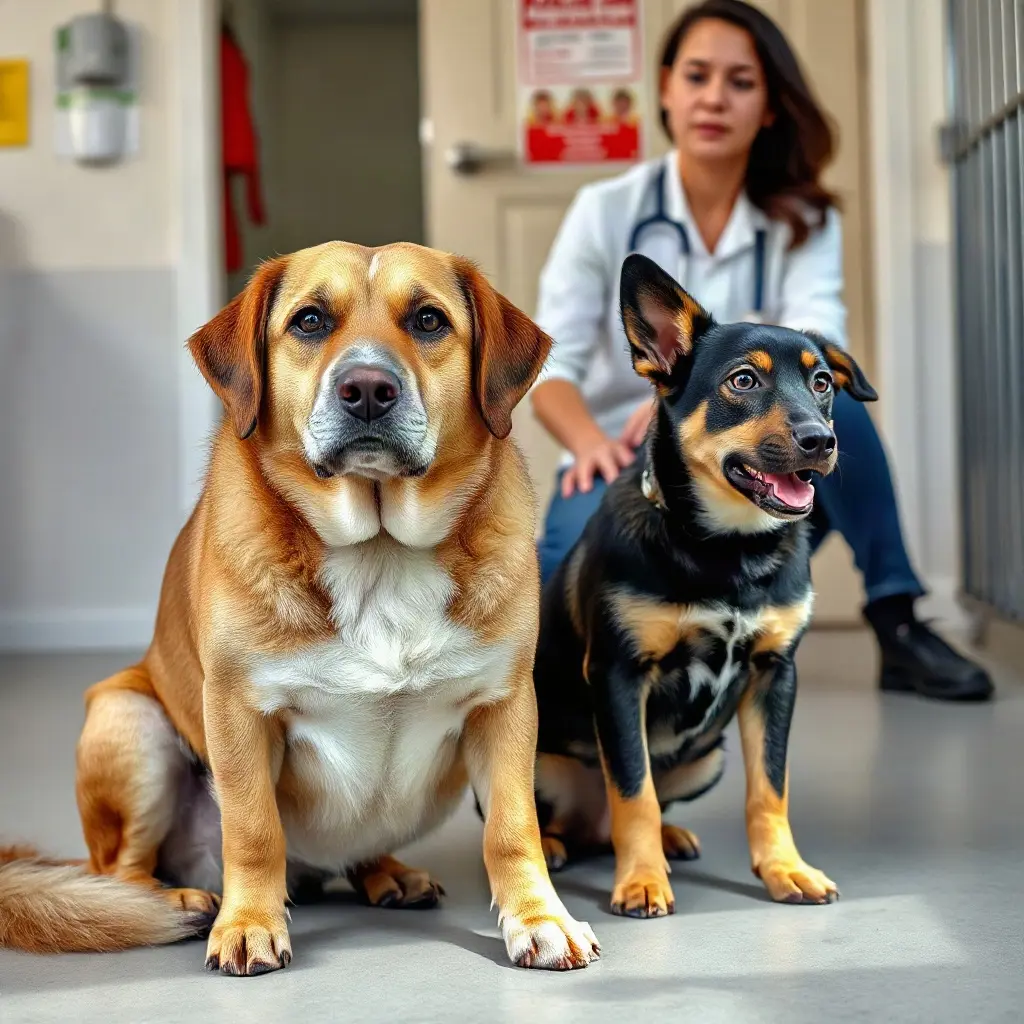
What “senior puppies” usually means
There is no universal veterinary category called a senior puppy. Puppies are commonly considered young until roughly 6 to 12 months, depending on breed and expected adult size. Adolescence often begins around 6 months and can continue through 18 or 24 months. A dog may be called a senior much later, often around 7 to 10 years for large breeds and 10 to 12 years for smaller breeds.
Rescue listings sometimes use “senior puppy” to describe a dog that is no longer very young but still has puppy-like behavior. It may also be an informal label for an older dog that needs a rescue placement. The dog’s recorded age, estimated birth date, size, medical history, and behavior assessment provide more useful information than the headline. A shelter or rescue organization normally determines the age estimate, sometimes with help from a veterinarian.
Which rescue organizations may have these dogs
Nearby animals generally come through several types of organizations rather than one national source. Municipal animal shelters and animal-control facilities take in stray, surrendered, or confiscated dogs. Independent nonprofit rescues may accept dogs from shelters, owners who can no longer provide care, or overcrowded areas. Foster-based groups keep dogs in private homes instead of a central kennel.
Breed-specific rescues may focus on dogs such as German Shepherds, Labrador Retrievers, Greyhounds, or small companion breeds. Veterinary clinics sometimes know of rehoming cases, although a clinic is not usually the organization responsible for adoption decisions. Each provider sets its own screening rules, medical procedures, adoption agreement, and fee structure. A local government shelter may use a different process from a volunteer-run rescue, even when both serve the same area.
How “available near you” works in practice
Availability is local and changes frequently. A dog shown in an online adoption directory may already be under review, placed on hold, transferred to another facility, or adopted. A rescue may also serve a wide region and require travel to a foster home. “Near you” therefore usually means within the service area of a shelter or rescue, not necessarily within a short distance of a particular address.
Common local sources include municipal shelter listings, animal-control noticeboards, nonprofit rescue directories, foster-network pages, adoption events, and community referrals from veterinary clinics. Some organizations share the same dog across several directories, while others only list animals on their own system. A local shelter’s intake area and a rescue’s foster locations are usually the main factors determining whether a dog is genuinely nearby.
The usual path from a listing to a rescue placement
The process normally begins with an animal profile containing an estimated age, sex, size, vaccination information, sterilization status, temperament notes, and known medical needs. The interested household then communicates with the organization, which may ask about housing, other animals, children, work schedules, outdoor access, and previous dog experience. These questions are set by the rescue or shelter, not by a general industry standard.
Read the profile and identify whether the dog is an older puppy, adolescent, or senior adult.
Ask the organization for the available medical records, behavior history, and reason for placement.
Complete the organization’s application or screening interview if required.
Meet the dog at the shelter, foster home, or an arranged adoption event.
Introduce household members and resident pets according to the organization’s procedure.
Review the adoption agreement, care obligations, return policy, and any stated fee before signing.
Some shelters make decisions during a visit, while foster-based rescues may need several conversations and a home visit. A placement can be declined if the dog’s needs do not match the household. The organization normally makes the final decision and determines whether a trial period, references, landlord permission, or follow-up contact is required.
Care needs of older puppies and senior dogs
An older puppy may still need house-training, leash practice, recall work, safe socialization, and structured exercise. Adolescent dogs can be energetic and may test boundaries, chew objects, or struggle with impulse control. Their adult size and temperament may not be fully settled, especially in mixed-breed dogs.
A senior dog has different considerations. Common needs include a veterinary examination, dental assessment, weight management, joint support, medication, and a predictable routine. Some older dogs have reduced hearing or vision, arthritis, kidney disease, heart disease, or cognitive changes. These conditions are not present in every senior dog, but they can affect housing, stairs, exercise, and supervision. Medical records may not reveal every future problem, so ongoing veterinary care is part of responsible planning.
Matching the dog with a household
Age alone does not determine suitability. An older puppy may need more daily activity and training than an adult dog, while a senior may prefer shorter walks and longer rest periods. Breed traits, previous experiences, pain, fear, and social behavior can influence how a dog reacts to children, cats, visitors, or other dogs.
A calm introduction is especially important when a home already has pets. Dogs should usually meet in a controlled neutral setting, followed by gradual separation and supervised contact at home. Children need instructions about handling, feeding, sleeping areas, and signs of discomfort. A household should also consider access to emergency veterinary care, transportation, medication routines, and the possibility of mobility changes over time.
Records, fees, and warning signs
Rescue organizations commonly provide information about vaccinations, parasite treatment, sterilization, microchipping, and known medical conditions. Some dogs need additional treatment after placement, and the organization’s adoption fee can differ according to its veterinary expenses and local policies. There is no single standard fee or medical package for dogs described as senior puppies.
Responsible organizations can explain who currently has the dog, how the age was estimated, what behavior has been observed, and which documents are available. Caution is appropriate when a listing uses inconsistent photos or names, refuses a meeting, gives no meaningful history, or pressures someone to send money before speaking with the responsible organization. A legitimate rescue process may be informal or formal, but it should still identify the organization, explain its requirements, and provide a clear agreement for the placement.