
The Dental Implant Option More Adults Are Exploring
Losing multiple teeth can significantly impact one's quality of life, from difficulty eating to a decline in confidence. While traditional dentures have long been the standard solution, a growing number of adults are turning to a more advanced and permanent option rooted in dental implant technology. This approach provides a fixed, stable set of teeth that functions much more like natural ones, offering a durable alternative for full-mouth rehabilitation.
What Are Standard Dental Implants?
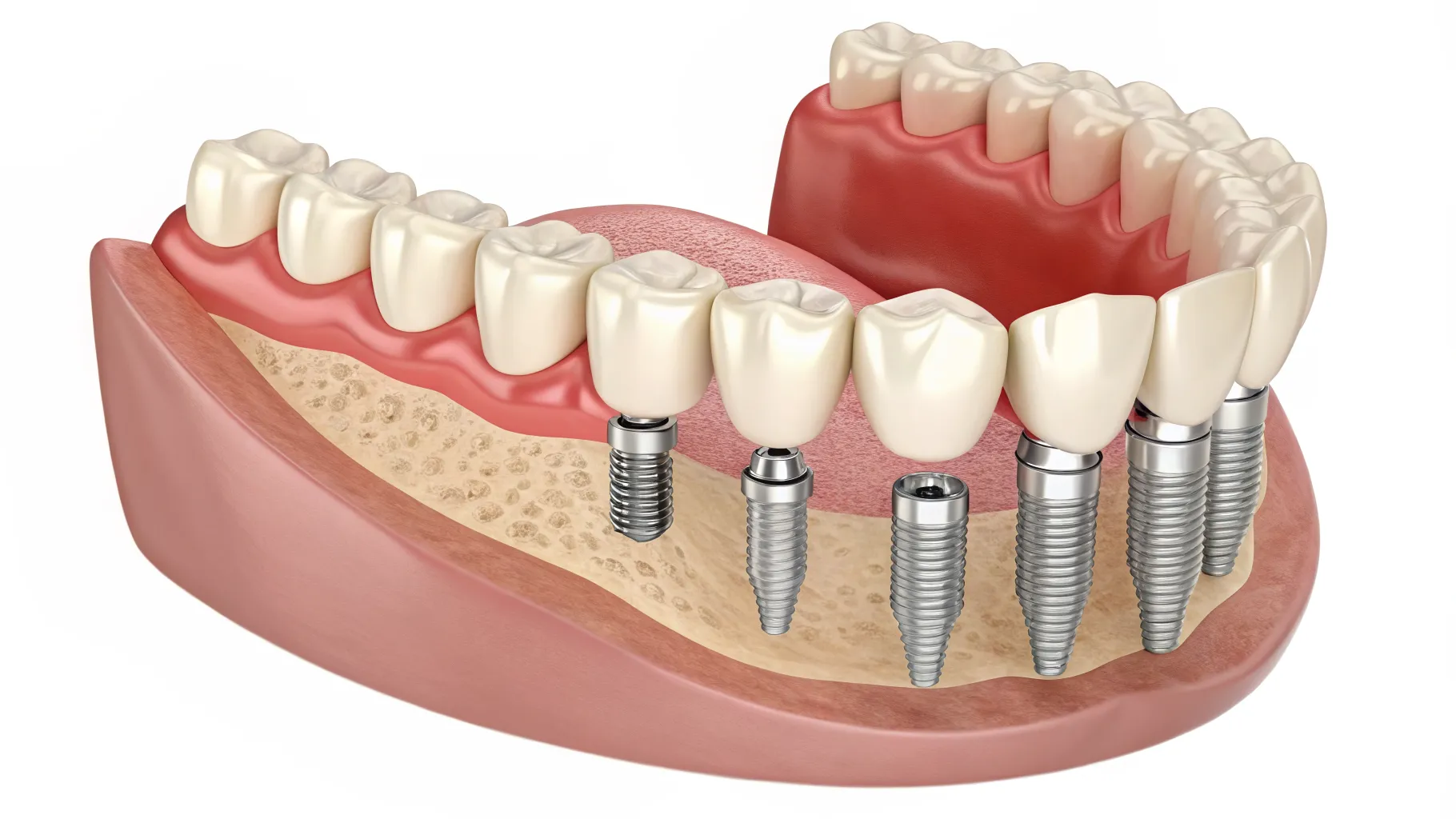
Before diving into full-arch solutions, it's helpful to understand the basis of a single dental implant. A dental implant is essentially an artificial tooth root, typically made of biocompatible titanium. It is surgically placed into the jawbone where a tooth is missing. Over several months, a process called osseointegration occurs, where the bone fuses with the implant, creating a strong and stable foundation.
Once this foundation is secure, a connector piece called an abutment is attached to the implant. The abutment protrudes just above the gum line and serves as the anchor for the final restoration, which is a custom-made crown designed to match the surrounding natural teeth. This three-part system provides a standalone, permanent replacement for a single lost tooth without affecting adjacent teeth.
The Evolution to Full-Arch Solutions
When an individual is missing all or most of the teeth in an upper or lower jaw, replacing each one with a single implant is often impractical and prohibitively expensive. This challenge led to the development of full-arch restoration techniques, which use a smaller number of strategically placed implants to support an entire bridge or full denture of teeth. This method provides the stability of implants without requiring an implant for every missing tooth.
These solutions are designed to be a fixed part of the mouth, meaning they are not removed by the patient for cleaning like traditional dentures. This permanence is a key reason for their growing popularity, as it eliminates common issues like slipping, clicking, or the need for messy adhesives. The result is a secure set of teeth that allows for confident speaking and comfortable eating.
Understanding the All-on-4 Concept
One of the most well-known full-arch implant techniques is often referred to as the 'All-on-4' method. This procedure uses as few as four dental implants to secure a full, permanent arch of prosthetic teeth. The key to its success lies in the precise placement of the implants. Two implants are typically placed vertically in the front of the jaw, while two posterior implants are placed at an angle.
This angulation is a critical part of the design. It allows the implants to engage with denser bone tissue, often avoiding the need for extensive bone grafting procedures that might be necessary with traditional placement. By maximizing the use of available bone, this technique can be a viable option for patients who may have experienced some jawbone deterioration due to long-term tooth loss.
Who Is a Good Candidate for This Procedure?
Ideal candidates for full-arch implant solutions are typically adults who have lost most or all of their teeth in one or both jaws, or who have numerous failing teeth that require extraction. Good overall health is important, as certain chronic conditions like uncontrolled diabetes can affect healing. Adequate jawbone density is also a factor, although techniques like the All-on-4 method can often work even with some bone loss.
A thorough evaluation by a dental professional is the first step. This process usually includes:
- A comprehensive dental exam.
- A review of your medical history.
- Advanced imaging, such as a CBCT scan, to assess bone structure and quality.
- A discussion about your lifestyle habits, as factors like smoking can impact the success rate of implants.
The Treatment Process and Recovery
The journey to a new set of fixed teeth involves several stages. After the initial consultation and planning, the surgical appointment is scheduled. During this procedure, any remaining failing teeth are extracted, and the dental implants are placed into the jawbone. In many cases, a temporary, yet functional, set of teeth can be attached to the implants on the same day.
The patient wears this temporary prosthesis for several months while the implants fully integrate with the bone. During this healing period, it's crucial to follow a soft-food diet to avoid putting excessive pressure on the healing implants. Once osseointegration is complete, the final, permanent bridge is custom-fabricated from more durable materials and secured to the implants, completing the restoration.
Long-Term Care and Durability
While implant-supported bridges are designed to be a long-lasting solution, their longevity depends heavily on proper care and maintenance. Just like natural teeth, they require diligent oral hygiene to prevent complications. Plaque and bacteria can still accumulate around the base of the implants, potentially leading to an inflammatory condition similar to gum disease called peri-implantitis.
Maintaining your new teeth involves regular brushing and the use of special tools to clean underneath the bridge and around the implants. Water flossers and specialized implant floss are often recommended. Furthermore, attending regular professional cleanings and check-ups is essential for monitoring the health of the implants, the surrounding gum tissue, and the integrity of the prosthesis itself.