
Breaking the Silence: A Guide to Depression and Loneliness in Older Adults
Facts:
- Social isolation can increase mortality risk significantly.
- A rising trend in digital literacy helps combat loneliness for older adults.
Understanding the Silent Epidemic in Our Aging Population
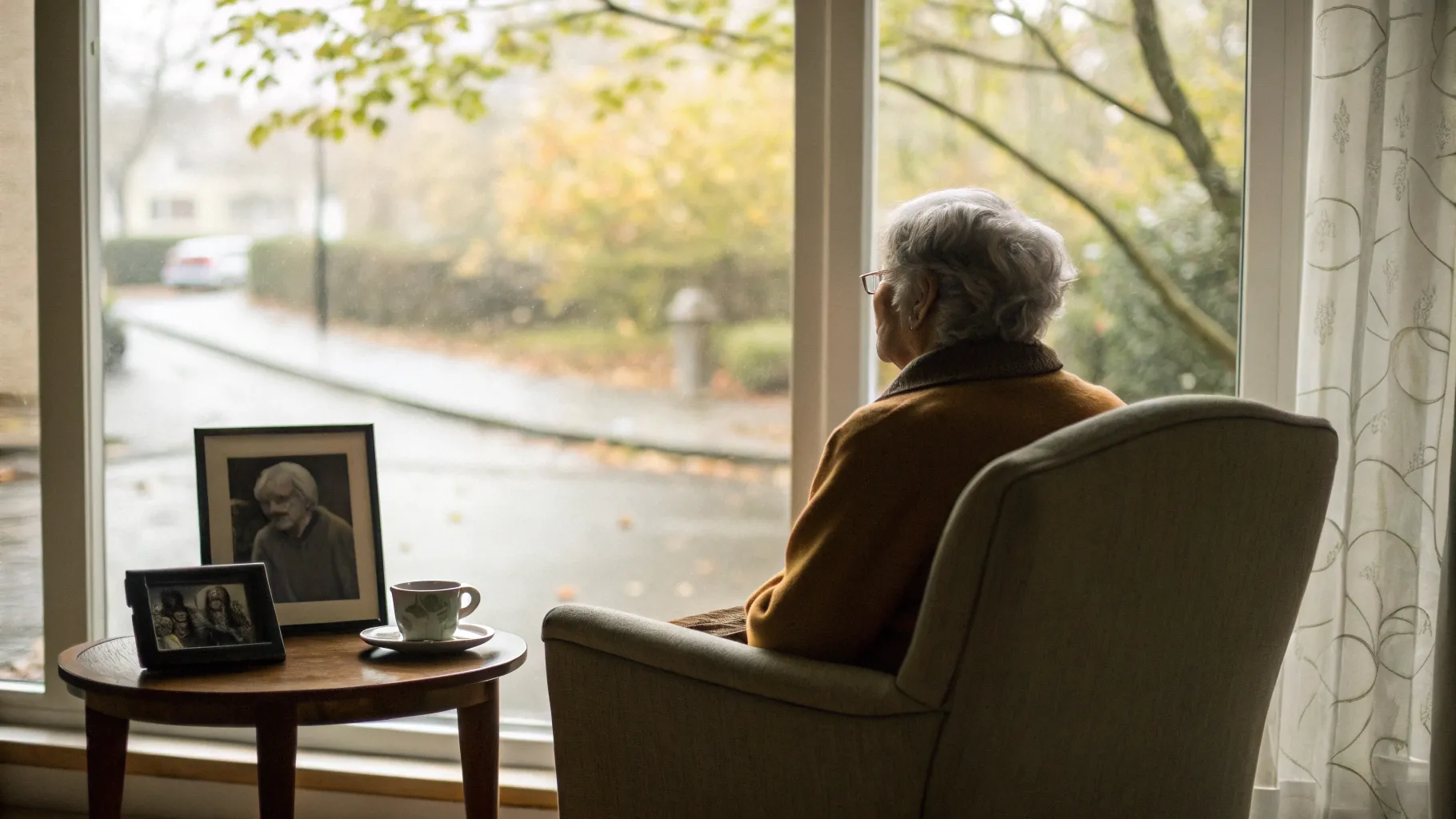
As individuals age, they face a unique set of challenges that can profoundly impact their mental and emotional well-being. Among the most pressing of these issues is the intertwined experience of Depression and Loneliness in Older Adults. This is not a natural part of aging but a serious public health concern that affects millions worldwide. It's a silent struggle often hidden behind closed doors, stemming from life changes such as retirement, the loss of loved ones, or declining physical health. Addressing Depression and Loneliness in Older Adults requires a compassionate understanding of its causes, recognition of its symptoms, and proactive strategies for intervention and support from family, caregivers, and the community at large.
Recognizing the Signs and Symptoms
Identifying Depression and Loneliness in Older Adults can be challenging, as its symptoms are often mistaken for other age-related health problems. Unlike the more overt sadness seen in younger individuals, depression in seniors may manifest as persistent fatigue, loss of interest in hobbies, increased physical complaints like arthritis pain or headaches, or significant changes in appetite or sleep patterns. Loneliness, while distinct from depression, is a powerful contributor. An older adult may withdraw from social activities they once enjoyed, express feelings of worthlessness or emptiness, or neglect personal hygiene. It's crucial for family members and healthcare providers to be vigilant and look beyond the physical ailments to see the emotional distress that may be fueling the problem. Early recognition is the first step toward effective treatment and improving quality of life.
The Primary Causes and Contributing Factors
The roots of Depression and Loneliness in Older Adults are complex and multifaceted. Major life transitions are significant triggers. The loss of a spouse or close friends can create a profound void, leading to deep-seated grief and isolation. Retirement, while often anticipated, can result in a loss of identity, purpose, and daily social interaction. Chronic illness and physical limitations are also major contributors; pain, reduced mobility, and hearing or vision loss can make it difficult to engage with the world, fostering a sense of being trapped and disconnected. Furthermore, financial insecurity and fear of becoming a burden can exacerbate feelings of anxiety and hopelessness, creating a perfect storm for the onset of Depression and Loneliness in Older Adults.
Actionable Strategies to Combat Isolation and Improve Mental Health
Fortunately, there are many effective ways to combat Depression and Loneliness in Older Adults. A proactive and multi-pronged approach can make a significant difference. It's about rebuilding connections, finding renewed purpose, and ensuring access to professional care when needed. These strategies empower both seniors and their support networks to take meaningful action against the grip of isolation.
- Encourage Social Engagement: Actively facilitate participation in community activities. This could be joining a senior center, a book club, a gardening group, or volunteering. Regular social interaction provides a sense of belonging and routine, which is vital for combating feelings associated with Depression and Loneliness in Older Adults.
- Promote Physical Activity: Gentle, regular exercise such as walking, yoga, or swimming has been proven to boost mood and reduce symptoms of depression. Group fitness classes offer the dual benefit of physical activity and social connection. Even short, daily walks can have a positive impact.
- Leverage Technology: Teach older adults how to use smartphones, tablets, and computers to connect with family and friends through video calls, social media, and email. Online communities and virtual classes can also open up new avenues for social interaction, mitigating the challenges of Depression and Loneliness in Older Adults.
- Seek Professional Help: It is essential to break the stigma around mental health. Encourage consulting a doctor or a mental health professional. Therapy, counseling, and, if appropriate, medication can be highly effective treatments for depression. Support groups provide a safe space to share experiences and feel understood.
The Role of Community and Family Support
The fight against Depression and Loneliness in Older Adults is not one they should face alone. Community and family are the cornerstones of a strong support system. Simple, consistent acts of connection can have a massive impact. Regular phone calls, visits, and including elderly family members in daily activities can reaffirm their value and sense of belonging. Communities can contribute by creating accessible, age-friendly spaces and programs that encourage intergenerational connections. Transportation services for seniors who can no longer drive are also critical for enabling them to remain active and engaged. By fostering a culture of care and inclusion, we can create an environment where the risk of Depression and Loneliness in Older Adults is significantly diminished.
Frequently Asked Questions
How is depression in older adults different from sadness?
While sadness is a normal human emotion that comes and goes, the condition of Depression and Loneliness in Older Adults involves persistent feelings of emptiness, apathy, and hopelessness that last for weeks or months and interfere with daily life. It often presents with physical symptoms and a loss of interest in activities that were once pleasurable.
What is the first step to take if I suspect a loved one is suffering from Depression and Loneliness in Older Adults?
The first step is to start a gentle, non-judgmental conversation. Express your concern and listen actively to their feelings. Encourage them to see a primary care physician to rule out any underlying medical conditions that could be causing the symptoms and to discuss potential mental health support options.
Can lifestyle changes really help with Depression and Loneliness in Older Adults?
Yes, absolutely. While professional treatment is often necessary, lifestyle changes like maintaining a regular routine, eating a balanced diet, engaging in regular physical activity, and making a conscious effort to stay socially connected can significantly improve mood and combat the feelings associated with Depression and Loneliness in Older Adults.
References
- National Institute on Aging - Social isolation, loneliness in older people pose health risks
- Centers for Disease Control and Prevention - Loneliness and Social Isolation Linked to Serious Health Conditions
- World Health Organization - Mental health of older adults
- American Psychological Association - Depression and suicide in older adults