
Italy by Train 2026 - The Art of Slow Travel
Facts:
- Italy's rail network spans over 16,700 km, connecting major cities and charming villages.
- Slow travel by train is trending for immersive cultural experiences and reduced environmental impact.
Embracing the Rhythms of Italy: Your Ultimate Italy by Train 2026 Guide
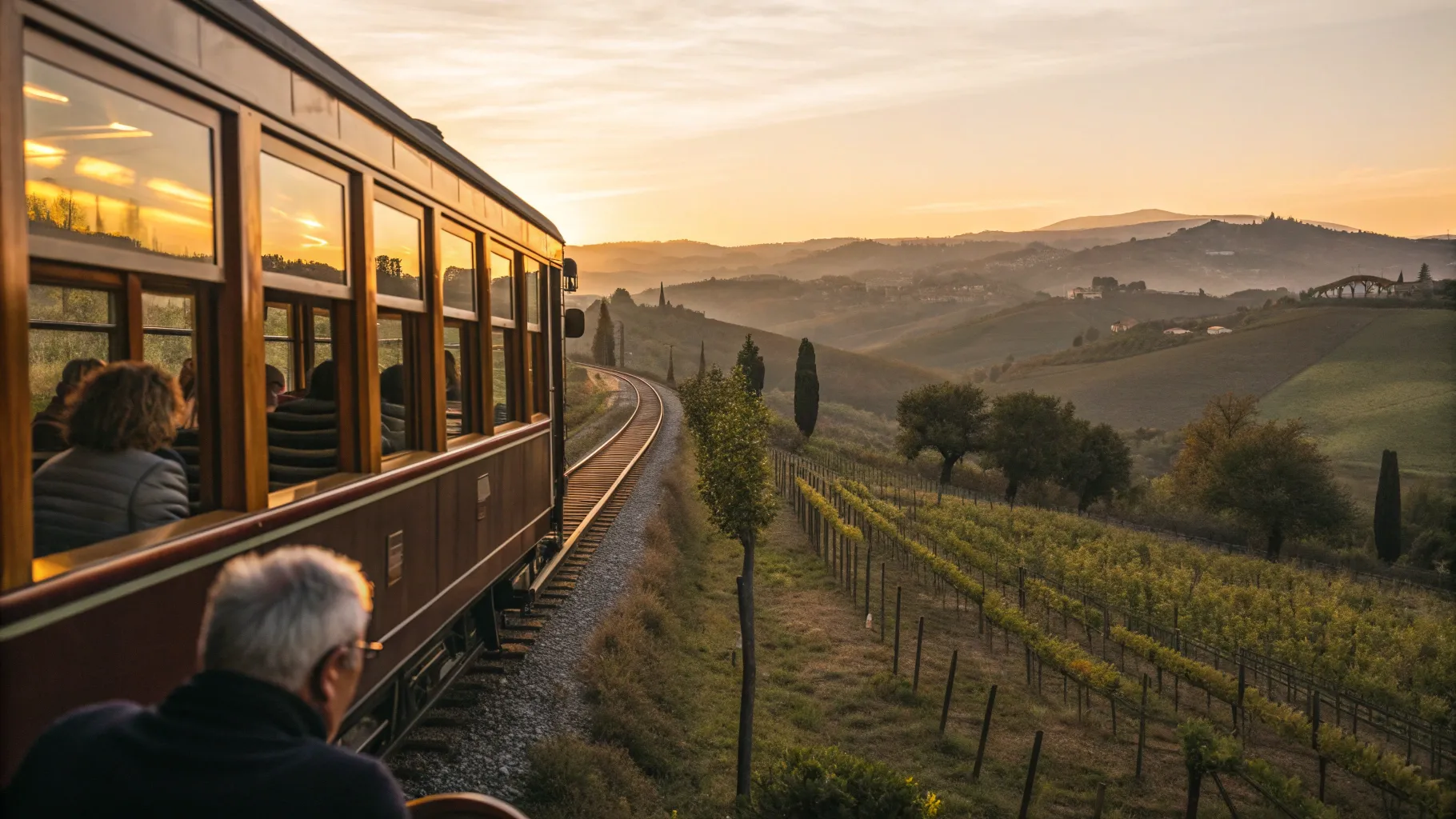
Imagine gliding through sun-drenched vineyards, past ancient ruins, and along sparkling coastlines, all from the comfort of a train seat. This year, redefine your travel experience by discovering Italy through its extensive and picturesque rail network. Our comprehensive Italy by Train 2026 Guide is designed to help you unlock the true essence of the "Art of Slow Travel," allowing you to savor every moment and immerse yourself deeply in the country's rich culture and breathtaking landscapes. This approach offers a profound connection to local life, far removed from the hurried pace of conventional tourism, making it an unparalleled way to explore the heart of Italy, providing an invaluable Italy by Train 2026 Guide for all adventurers seeking authenticity.
Why Choose Slow Travel by Train in Italy?
Choosing slow travel by train in Italy offers a myriad of benefits that go far beyond mere transportation. It's an intentional decision to prioritize experience over speed, allowing you to absorb the landscape, culture, and rhythm of Italian life at a more human pace. This approach, central to any effective Italy by Train 2026 Guide, fosters a deeper connection with the destination. You'll find yourself not just passing through, but truly experiencing the transitions between regions, witnessing the subtle shifts in architecture, dialect, and cuisine from your window. The reduced environmental footprint compared to flying or driving also aligns with a more conscious and sustainable form of tourism, making it an ethical choice for the modern traveler.
Unparalleled Scenic Journeys
Italy's diverse topography means train journeys are often cinematic experiences. From the dramatic coastal views of the Cinque Terre line, hugging cliffs above the Ligurian Sea, to the verdant, rolling hills of Tuscany visible on routes connecting Florence and Siena, every trip offers a feast for the eyes. The Alpine routes in the north, winding through snow-capped peaks and pristine valleys, provide a stark contrast, showcasing Italy's incredible natural variety. These routes, often detailed in an advanced Italy by Train 2026 Guide, are destinations in themselves, offering photo opportunities and moments of quiet contemplation that are simply not possible with other travel methods.
Connecting with Local Culture
Train stations in Italy are often bustling hubs of local life, offering a glimpse into the everyday routines of Italians. Unlike airports, which are typically isolated from city centers, train stations are integrated into the urban fabric, allowing for immediate immersion. Slow travel by train encourages you to stop in smaller towns that high-speed routes might bypass, discovering hidden gems, local markets, and authentic trattorias. This direct interaction with local communities, supported by a comprehensive Italy by Train 2026 Guide, fosters genuine cultural exchange, providing richer, more memorable experiences than typical tourist hotspots.
Sustainable and Serene Exploration
Opting for train travel significantly reduces your carbon footprint, contributing to more sustainable tourism practices. Beyond the environmental benefits, the serenity of train travel itself is a major draw. There's no stress of airport security lines, no traffic jams, and no need to constantly navigate unfamiliar roads. Instead, you can relax, read a book, enjoy a meal, or simply gaze out the window as the Italian panorama unfolds. This tranquil pace is the essence of slow travel, making your journey as enjoyable and restorative as the destination, a key aspect of this Italy by Train 2026 Guide.
Planning Your Italy by Train 2026 Guide Itinerary
Crafting the perfect train itinerary for Italy requires a blend of foresight and flexibility. While it's tempting to cram as many destinations as possible into your trip, the art of slow travel encourages a more deliberate pace, allowing for deeper exploration of each locale. Our Italy by Train 2026 Guide recommends focusing on a specific region or a carefully chosen sequence of cities that are well-connected by rail, ensuring that travel days are part of the adventure, not just a means to an end. Consider the time of year, as seasonal changes can impact scenery and crowd levels, influencing the overall experience of your Italian railway adventure.
Selecting the Right Train Pass
Italy offers several options for train passes, each catering to different travel styles and budgets. For extensive travel across Europe including Italy, the Eurail Pass or Interrail Pass (for European residents) might be suitable, offering flexibility and cost savings over individual tickets. However, if your trip is solely focused on Italy, specific Trenitalia passes, such as the Trenitalia Pass for non-residents or regional passes for specific areas like Tuscany or Puglia, can be more economical. These passes are often highlighted in a detailed Italy by Train 2026 Guide, helping you compare prices, validity periods, and the types of trains covered (high-speed vs. regional) to make an informed decision for your Italian journey.
Essential Routes for the Slow Traveler
For those seeking to truly embrace the art of slow travel, certain routes stand out. The journey from Rome to Florence, incorporating stops in charming Umbrian towns like Orvieto or Assisi, offers a wonderful blend of history, art, and picturesque landscapes. Another quintessential slow travel route, often featured in our Italy by Train 2026 Guide, connects Milan to Venice, allowing for detours to Verona or Padua, rich in Shakespearean history and artistic treasures. Exploring Sicily by train unveils ancient Greek temples and Baroque cities, revealing the island's unique cultural tapestry. Each of these routes provides opportunities for extended stays and immersive experiences, embodying the very spirit of a comprehensive Italy by Train 2026 Guide.
Navigating Italy's Rail Network: A Practical Italy by Train 2026 Guide
Understanding the nuances of Italy's rail network is key to a smooth and enjoyable slow travel experience. While the system is generally efficient, a few practical tips can enhance your journey, ensuring you navigate stations and train services with confidence. Our Italy by Train 2026 Guide emphasizes familiarizing yourself with station layouts, especially in major cities like Rome Termini or Milano Centrale, which can be quite large. Always arrive with ample time before departure, particularly if you need to validate tickets or locate your platform. Paying attention to train types and booking procedures will save you time and prevent potential fines, making your Italian railway adventure seamless.
Understanding Different Train Services
Italy's train system comprises several types of services, each designed for different travel needs. High-speed trains, known as Frecciarossa, Frecciargento, and Frecciabianca (collectively 'Le Frecce'), connect major cities quickly but require reservations. Intercity trains offer a balance of speed and cost, serving more destinations than high-speed routes but fewer than regional trains. Regionale trains are the backbone of slow travel, connecting smaller towns and offering the most flexibility, though they are slower and do not typically require reservations. A thorough Italy by Train 2026 Guide will help you differentiate these services, ensuring you choose the right train for each leg of your slow journey, aligning with both your budget and your desire for immersive travel.
Booking Tickets and Making Reservations
Booking train tickets in Italy can be done online via Trenitalia's official website or through third-party platforms. For high-speed trains, booking in advance is highly recommended, as prices tend to increase closer to the departure date, and seats, especially in preferred classes, can sell out. Regional tickets can often be bought on the day of travel at station kiosks or ticket offices, but remember to validate them using the green machines on platforms before boarding to avoid fines. Our Italy by Train 2026 Guide advises making seat reservations for all high-speed and Intercity trains, even if you have a pass, to guarantee your spot and comfort, particularly during peak travel seasons.
Experiences Beyond the Tracks: Deep Dive into Italian Culture
The true essence of slow travel in Italy, as highlighted in this Italy by Train 2026 Guide, lies in the moments between destinations – the opportunities to truly immerse yourself in the local culture. Train travel opens up avenues for authentic experiences that often remain hidden from the typical tourist itinerary. It's about savoring the journey itself, allowing time for spontaneous discoveries and genuine interactions. By choosing the train, you are choosing a mode of transport that facilitates deeper cultural engagement, fostering a sense of belonging and appreciation for the rich tapestry of Italian life beyond the major tourist attractions.
Culinary Adventures at Every Stop
Italy is a gastronomic paradise, and train travel is the perfect way to embark on a culinary adventure. Each region boasts its unique specialties, from the pesto of Liguria to the carbonara of Rome and the seafood of Sicily. With train travel, you can effortlessly hop between regions, dedicating time to explore local markets, attend cooking classes, or simply enjoy extended meals at family-run trattorias. Our Italy by Train 2026 Guide encourages you to use your stops to indulge in regional delicacies, sample local wines, and truly taste your way through Italy, experiencing the profound connection between food and culture.
Art, History, and Hidden Gems
Italy's historical and artistic heritage is unparalleled, extending far beyond its famous cities. Slow train travel allows you to uncover countless hidden gems – medieval hill towns, ancient Roman ruins in lesser-known areas, and local museums housing unique regional art. Instead of rushing between iconic landmarks, you can dedicate a full day, or even several, to exploring a charming village like Orvieto or a historical site like Pompeii at your own pace. This Italy by Train 2026 Guide encourages you to seek out these quieter, often more profound experiences, where history and art come alive without the overwhelming crowds.
Maximizing Your Slow Travel Experience in Italy
To truly embrace the art of slow travel in Italy, a few additional strategies can significantly enhance your journey and ensure a more authentic and enriching experience. Beyond merely transportation, the goal is to fully engage with the destination and its culture, making every moment count. This Italy by Train 2026 Guide is designed to equip you with the knowledge to not just travel through Italy, but to live and breathe its essence, fostering deeper connections and creating lasting memories by adopting practices that resonate with the slow travel philosophy.
- Pack Light: Traveling with minimal luggage is a game-changer for train travel. It makes navigating train stations, especially those without escalators or elevators, much easier and reduces the stress of transfers between trains or different accommodations. Lighter bags allow for greater flexibility and spontaneity, aligning perfectly with the ethos of an unhurried exploration facilitated by this Italy by Train 2026 Guide.
- Learn Basic Italian Phrases: Even a few simple Italian phrases can dramatically enhance your interactions with locals. A heartfelt