
Discover the Best Whitening Strips for Sensitive Teeth: A Complete Guide
Facts:
- Many modern whitening strips use peroxide-free formulas.
- A growing trend for 2026 is incorporating desensitizing agents for gentle teeth whitening.
Unlocking a Brighter Smile Without the Discomfort: A Guide to Whitening Strips for Sensitive Teeth
Many people dream of a dazzling white smile but hesitate due to tooth sensitivity. The fear of that sharp, shooting pain is a major barrier for countless individuals seeking to enhance their appearance. Fortunately, the dental care industry has evolved significantly, leading to the development of specialized whitening strips for sensitive teeth. These products are specifically formulated to minimize discomfort while delivering visible results, offering a safe and effective path to a brighter smile that doesn't compromise on comfort. This comprehensive guide will explore the best options, explain how these gentle teeth whitening solutions work, and provide you with the knowledge needed to choose the right product for your unique needs.
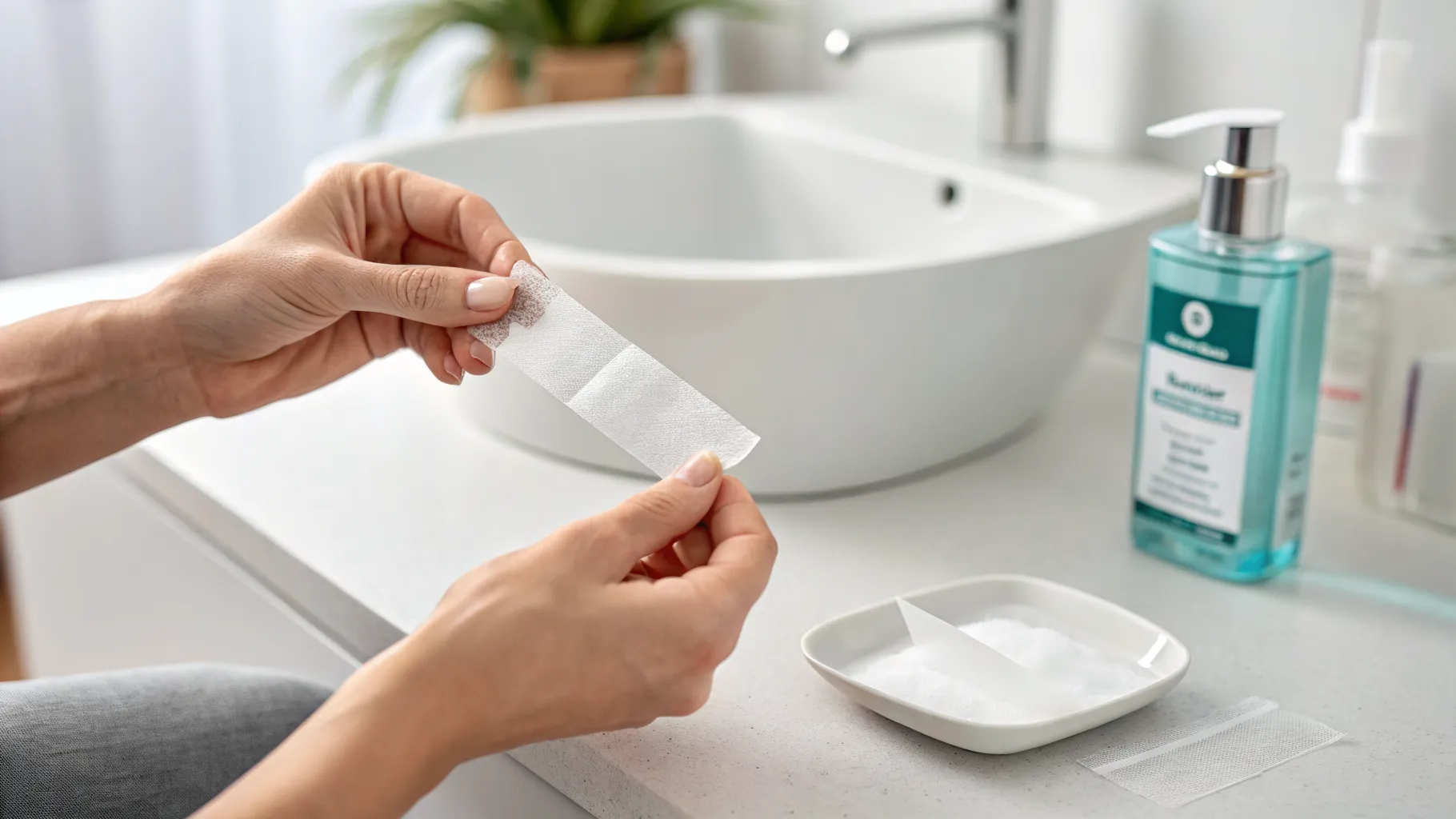
How Do Gentle Whitening Strips Actually Work?
The magic behind whitening strips for sensitive teeth lies in their carefully balanced formulation. Unlike traditional whitening products that often use high concentrations of hydrogen peroxide or carbamide peroxide, these gentler alternatives take a multi-faceted approach. Firstly, they typically feature a significantly lower concentration of the active whitening agent. This reduction minimizes the penetration of the bleaching agent through the enamel and dentin, which is the primary cause of sensitivity. Secondly, and perhaps more importantly, these strips are infused with desensitizing agents. Ingredients like potassium nitrate are crucial; they work by calming the nerves within the teeth, effectively blocking the pathways that transmit pain signals. Another key component is often fluoride, which helps to strengthen and remineralize tooth enamel, providing an extra layer of protection against sensitivity triggers. This combination ensures an effective yet comfortable whitening experience, making enamel-safe whitening not just a marketing term, but a tangible reality for users.
Key Ingredients to Look For in Sensitive Teeth Whitening Solutions
When you're navigating the dental care aisle, the ingredient list is your best friend. Understanding what to look for is critical to finding the best teeth whitening for sensitivity. The most effective products will contain active ingredients that both whiten and protect. Look for potassium nitrate, a proven desensitizing agent that provides relief from nerve sensitivity. Fluoride is another hero ingredient, as it actively works to fortify your enamel against future sensitivity and decay. In recent years, alternative whitening agents like Phthalimidoperoxycaproic Acid (PAP) have gained popularity. PAP is known for its ability to whiten teeth without releasing free radicals, which reduces the risk of irritation and sensitivity. Conversely, it's equally important to know what to avoid. Steer clear of strips with very high concentrations of hydrogen or carbamide peroxide if you know you have sensitive teeth. While effective for whitening, they are often too aggressive and can cause significant discomfort. Opting for products that prioritize a balanced formula is the cornerstone of successful and pain-free gentle teeth whitening.
A Comparative Look at Top Whitening Approaches
When evaluating the best teeth whitening for sensitivity, it's helpful to compare the different types of products available. One popular category features strips with a low dose of carbamide peroxide combined with potassium nitrate. This approach provides gradual whitening while actively managing sensitivity. Another category focuses entirely on peroxide-free formulas, utilizing ingredients like PAP and natural extracts. These are often the mildest option, ideal for those with extreme sensitivity, though they may require a longer treatment period to achieve dramatic results. A third approach uses advanced polymer technology to create a strip that adheres more securely to the teeth, preventing the whitening gel from seeping onto sensitive gum tissue, which can be a major source of irritation. When choosing, consider the trade-off between the speed of results and the level of gentleness. For many, a slower, more comfortable process with a quality enamel-safe whitening product is far preferable to a fast but painful one. Reading user reviews specifically from people who identify as having sensitive teeth can provide invaluable real-world insight into how different brands perform.
Actionable Tips for Using Whitening Strips with Sensitive Teeth
To maximize your results and minimize discomfort, it's essential to use sensitive teeth whitening solutions correctly. Following a few simple guidelines can make a significant difference in your experience.
- Avoid Brushing Immediately Before Application: Brushing right before you apply strips can open up the pores in your enamel (dentinal tubules), increasing the likelihood of sensitivity. It's best to wait at least 30 minutes after brushing to apply the strips.
- Start with Shorter Application Times: The manufacturer's instructions might recommend 30 minutes, but if you're concerned about sensitivity, start with just 10-15 minutes. You can gradually increase the duration as your teeth acclimate to the treatment.
- Incorporate a Desensitizing Toothpaste: Make a desensitizing toothpaste containing potassium nitrate or stannous fluoride part of your daily routine. Start using it a week or two before you begin your whitening treatment to build up protection.
- Space Out Your Treatments: Instead of applying the strips daily, try using them every other day. This gives your teeth time to recover between sessions and can significantly reduce the chances of developing sensitivity.
- Stay Hydrated and Avoid Trigger Foods: Drink plenty of water during your treatment period. Also, try to avoid extremely hot or cold foods and beverages immediately after using the strips, as your teeth may be temporarily more susceptible to temperature changes.
Frequently Asked Questions
Can whitening strips for sensitive teeth really work?
Absolutely. While they may work more gradually than their more aggressive counterparts, they are formulated with effective whitening agents at lower, more comfortable concentrations. The inclusion of desensitizing ingredients ensures you can complete the treatment course and achieve noticeable, beautiful results without the pain.
How long does it take to see results with gentle teeth whitening products?
Results vary depending on the product and the individual's starting tooth shade. Generally, you can expect to see initial changes within 3-5 days of consistent use, with the most significant results appearing after completing the full treatment, which typically lasts from 7 to 14 days.
Are there any side effects to using sensitive teeth whitening solutions?
The primary goal of these products is to minimize side effects. However, some individuals may still experience mild, temporary sensitivity or gum irritation. If this occurs, it's recommended to shorten the application time or apply the strips every other day. These effects almost always subside once the treatment is complete.
References
- Journal of Clinical Dentistry: Studies on Potassium Nitrate in Dentifrices.
- American Dental Association (ADA) Statement on At-Home Teeth Whitening.
- Cosmetic Dentistry Today: Innovations in Peroxide-Free Whitening Agents.
- The International Journal of Dental Hygiene: Enamel Safety of Modern Whitening Formulations.