
Discover the Best Whitening Strips for Sensitive Teeth: A Complete Guide
Facts:
- Many whitening strips now contain desensitizing agents.
- A growing trend for at-home dental care is enamel-safe products.
Finding Your Perfect Match: Navigating Whitening for Sensitive Smiles
The quest for a brighter, whiter smile often feels out of reach for those with sensitive teeth. The fear of sharp, shooting pains, known as 'zingers', can deter many from trying conventional whitening products. However, the dental care industry has evolved significantly, leading to the development of specialized Whitening Strips for Sensitive Teeth. These products are formulated to deliver noticeable results without the discomfort, offering a pathway to a more confident smile. This guide will explore the essentials of Gentle Teeth Whitening, helping you understand how to choose and use these products effectively for a pain-free experience. The key is finding a balance between potent whitening agents and protective, soothing ingredients that ensure a Safe Teeth Whitening journey.
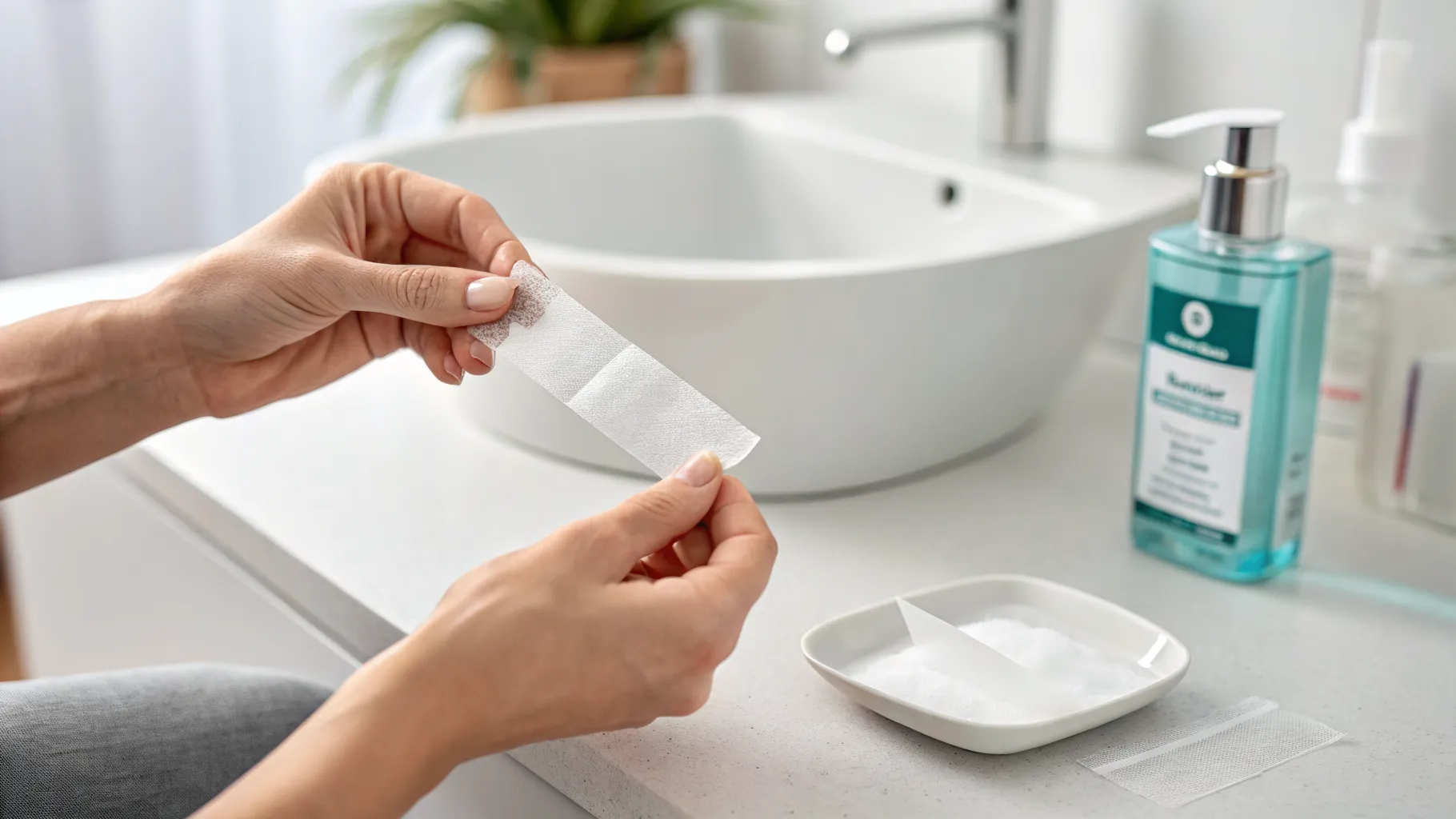
How Do Whitening Strips for Sensitive Teeth Actually Work?
The primary difference between standard whitening strips and Whitening Strips for Sensitive Teeth lies in their formulation. Standard strips often use a higher concentration of peroxide (hydrogen or carbamide) to bleach stains from the enamel and underlying dentin. While effective, this can be too aggressive for sensitive teeth, leading to irritation and pain. Formulations for sensitive users typically feature a lower concentration of peroxide, which whitens more gradually but significantly reduces the risk of sensitivity. Furthermore, many of these advanced strips are infused with desensitizing agents like potassium nitrate or strontium chloride. These ingredients work by blocking the tiny tubules in the dentin that lead to nerve endings, effectively preventing the pain signals. This dual-action approach makes Safe Teeth Whitening possible, as the product actively protects your teeth while it whitens. It's a method that prioritizes comfort and dental health, ensuring the process is as pleasant as it is effective. Many options also focus on being Enamel-Safe Whitening solutions by including fluoride to help remineralize and strengthen enamel during the treatment period.
Key Ingredients to Look for in Gentle Teeth Whitening Products
When you're scanning the shelves for the ideal Whitening Strips for Sensitive Teeth, the ingredients list is your best friend. The most crucial component to check is the whitening agent and its concentration. Lower levels of hydrogen peroxide (typically around 6%) or carbamide peroxide are preferable for Gentle Teeth Whitening. Beyond the peroxide, look for active ingredients that combat sensitivity. Potassium nitrate is a star player, often found in sensitivity-focused toothpastes, and it works wonders in whitening strips by calming the nerves inside the teeth. Another beneficial ingredient is fluoride, which helps fortify tooth enamel against demineralization that can occur during the whitening process, making it a cornerstone of Enamel-Safe Whitening. Some brands are also exploring peroxide-free alternatives, using ingredients like Phthalimidoperoxycaproic Acid (PAP) which is known to whiten stains without releasing free radicals, thus reducing the chance of sensitivity. Always choose products that are transparent about their ingredients, as this is a hallmark of a trustworthy and Safe Teeth Whitening brand.
Your Step-by-Step Guide to Using Whitening Strips Safely
Achieving a brighter smile with Whitening Strips for Sensitive Teeth requires proper application. Following the instructions carefully can make the difference between a great result and unnecessary discomfort. Here is a guide to ensure a smooth and effective process:
- Preparation is Key: Begin by brushing your teeth gently with a soft-bristled brush and water only (no toothpaste) about 30 minutes before application. Toothpaste can leave a residue that might interfere with the strip's adherence. Ensure your teeth are dry right before applying the strips by dabbing them with a clean tissue.
- Careful Application: Peel the strips from their backing. Most kits come with a longer strip for the top teeth and a shorter one for the bottom. Apply the gel side to the front of your teeth, aligning the strip with your gum line. Fold the excess strip behind your teeth to hold it in place. Avoid letting the gel make prolonged contact with your gums.
- Timing Matters: Adhere strictly to the recommended time on the package, which is usually around 30 minutes for sensitive formulas. Overextending the time won't make your teeth whiter faster but will increase the risk of sensitivity. Set a timer to be precise.
- Gentle Removal and Aftercare: After the time is up, peel off the strips and discard them. Rinse your mouth with water to remove any residual gel. Avoid eating or drinking staining substances like coffee, tea, or red wine for at least a few hours after the treatment to maximize the Gentle Teeth Whitening results.
Comparing Formulations for Enamel-Safe Whitening
The market for Whitening Strips for Sensitive Teeth is diverse, with various formulations competing for your attention. The most common type uses a low-concentration hydrogen peroxide gel combined with potassium nitrate. This is often considered the gold standard for balancing effectiveness with comfort, providing reliable Safe Teeth Whitening. A second popular category includes peroxide-free strips. These often use natural ingredients or chemical compounds like PAP to lift stains without penetrating the enamel as deeply, which is a major benefit for those with extreme sensitivity. While their results might be more subtle or take longer to appear, they are among the gentlest options available. A third type is the dissolving strip, which is convenient but may not offer the same level of active ingredient contact time as traditional strips. When choosing, consider the severity of your sensitivity and your whitening goals. For those prioritizing dental health, any product advertised as an Enamel-Safe Whitening solution should be at the top of your list, as it indicates a formula designed to protect your teeth's primary defense layer.
Common Mistakes to Avoid When Whitening Sensitive Teeth
Even with the best products, mistakes can lead to sensitivity or suboptimal results. A primary error is overuse. It can be tempting to use Whitening Strips for Sensitive Teeth more frequently than recommended, but this will only irritate your gums and heighten tooth sensitivity. Stick to the schedule outlined in the product instructions. Another common mistake is applying the strips unevenly or allowing them to sit too high on the gums, which can cause chemical burns and irritation. Taking a moment to align them properly is crucial for a Safe Teeth Whitening experience. Finally, ignoring pre-existing dental issues is a significant risk. If you have cavities, receding gums, or cracked teeth, you should consult a dentist before starting any whitening regimen. Whitening agents can seep into these compromised areas and cause severe pain. A professional check-up ensures your mouth is healthy enough for a Gentle Teeth Whitening treatment.
Frequently Asked Questions
Are Whitening Strips for Sensitive Teeth truly effective?
Yes, they are highly effective. While they contain lower concentrations of whitening agents to minimize irritation, they are designed for consistent use over a set period. This gradual approach allows them to break down and lift surface and some deeper stains effectively, leading to a visibly whiter smile without the pain associated with stronger formulas. The effectiveness is rooted in their specialized formula for Gentle Teeth Whitening.
How often can I use Gentle Teeth Whitening strips?
You must follow the specific instructions provided with the product. Most kits for sensitive teeth recommend daily use for a period of 10 to 14 days. After completing the full treatment, it's generally advised to wait at least six months before starting another round to ensure you maintain good enamel health and prevent sensitivity from developing.
What makes a product considered Enamel-Safe Whitening?
A product is considered an Enamel-Safe Whitening solution when it's formulated with a pH-neutral gel and uses a concentration of peroxide that doesn't demineralize or damage the tooth enamel. Many of these products also include beneficial ingredients like fluoride, which actively helps to remineralize and strengthen enamel during the whitening process.
Can I eat or drink while wearing the strips?
No, you should not eat or drink while wearing whitening strips. Doing so can dislodge the strips, leading to uneven whitening results. Furthermore, the whitening gel could be ingested, which is not recommended. Wait until after you have completed the treatment and rinsed your mouth before consuming food or beverages.
References
- Journal of Clinical Dentistry studies on peroxide concentration and sensitivity.
- American Dental Association (ADA) guidelines on at-home teeth whitening.
- Consumer reports and reviews on dental care products for sensitive teeth.
- Ingredient safety data from dermatology and dental research publications.