
Don't Ignore These Diverticulitis Early Symptoms: A Complete Guide
Facts:
- About half of all people over 60 have diverticulosis.
- A high-fiber diet is a key preventative trend for diverticulitis.
Understanding the First Signs: How to Recognize Early Symptoms of Diverticulitis
Diverticulitis occurs when small, bulging pouches (diverticula) that can form in the lining of your digestive system become inflamed or infected. While the presence of these pouches (diverticulosis) is often harmless, inflammation can lead to severe pain and complications. The key to effective management and preventing serious issues lies in identifying the diverticulitis early symptoms. Many people dismiss initial discomfort as a minor digestive upset, but it is crucial to recognize early symptoms of diverticulitis to seek prompt medical attention. Understanding these initial warning signs can significantly impact your health outcome, guiding you toward a quicker and more effective treatment path before the condition escalates.
The Most Common Diverticulitis Early Symptoms You Shouldn't Ignore
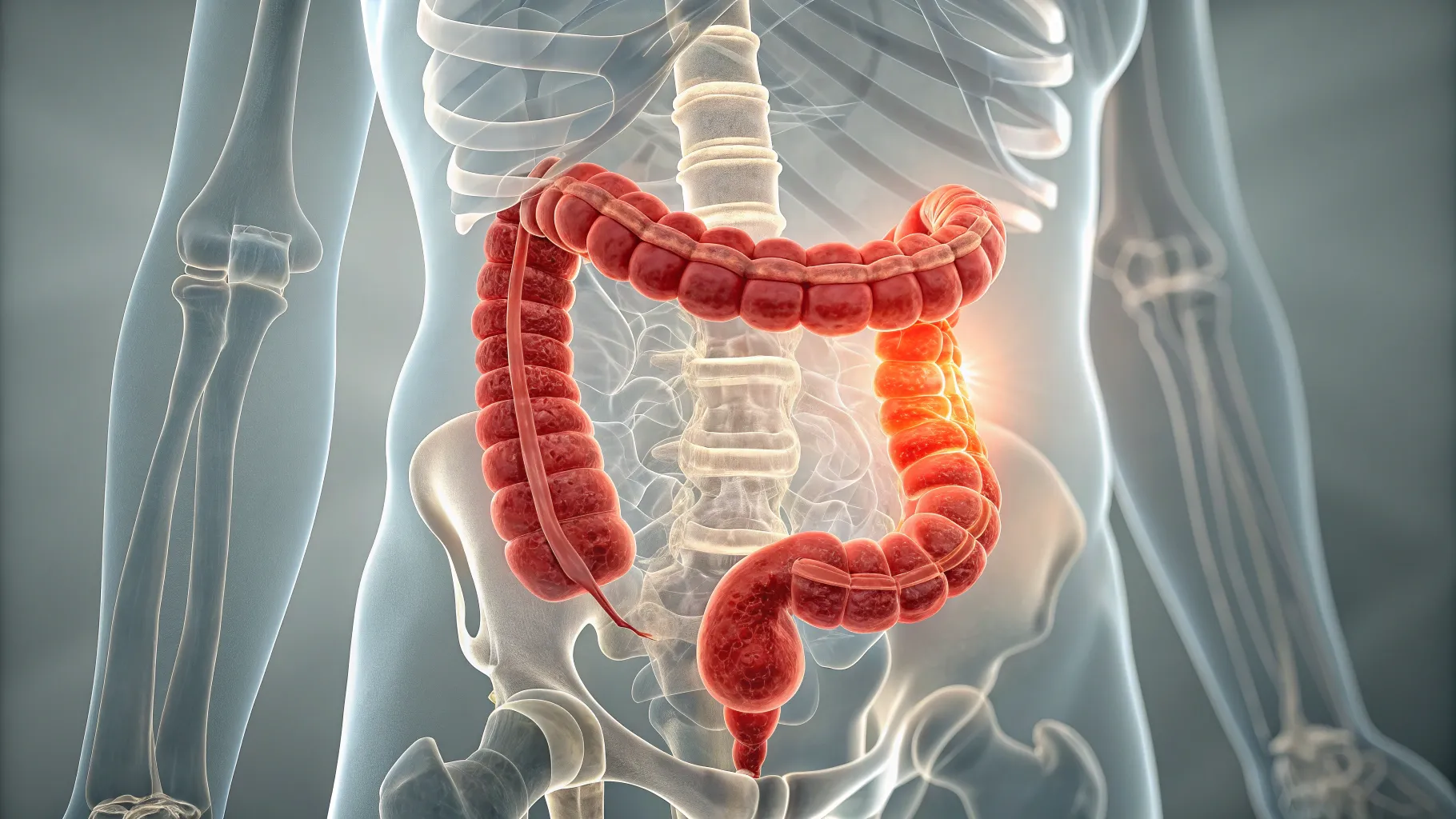
The most prominent and consistent of all diverticulitis early symptoms is abdominal pain. This is not typically a vague or mild discomfort. The pain is usually constant and persistent, lasting for several days. For most people, it's localized in the lower left side of the abdomen, as this is the most common site for diverticula to form. However, in some individuals, particularly those of Asian descent, the pain may occur on the right side. The pain is often described as severe and can be accompanied by tenderness when pressure is applied to the area. It's this specific, localized pain that serves as a primary flag, making it essential to recognize early symptoms of diverticulitis and differentiate it from general stomach aches.
Changes in Bowel Habits as a Key Indicator
Another critical set of signs to watch for involves changes in your normal bowel function. These changes are vital to help you recognize early symptoms of diverticulitis. While some people may experience constipation as a primary symptom, others may have diarrhea. The inconsistency is what matters. Any significant deviation from your usual pattern, especially when paired with the characteristic abdominal pain, should be considered a potential red flag. These changes occur because the inflammation in the colon can interfere with the normal movement of stool and water absorption, leading to either a slowing down (constipation) or a speeding up (diarrhea) of the digestive process. Ignoring these diverticulitis early symptoms can delay diagnosis and treatment.
Systemic Symptoms: Fever, Nausea, and Chills
Diverticulitis is not just a localized problem; it's an infection and inflammation that can trigger a body-wide response. Consequently, many people will experience systemic symptoms. A low-grade fever, often accompanied by chills, is a common sign that your body is fighting off an infection. Nausea and vomiting may also occur, often due to the intense pain and the body's reaction to the inflammation in the digestive tract. These symptoms, when they appear alongside abdominal pain, provide a clearer picture and are crucial to help recognize early symptoms of diverticulitis. They indicate that the inflammation is significant enough to affect your entire system, signaling a more serious condition than a simple stomach cramp.
Differentiating Diverticulitis from Other Conditions
The challenge in diagnosis is that many diverticulitis early symptoms can mimic other gastrointestinal issues like Irritable Bowel Syndrome (IBS), appendicitis (especially if the pain is on the right side), or even a urinary tract infection. However, the combination of symptoms is key. IBS, for example, typically involves cramping that is relieved by a bowel movement, which is not characteristic of diverticulitis pain. Appendicitis pain usually begins near the navel and migrates to the lower right abdomen. Learning to recognize early symptoms of diverticulitis involves looking at the complete clinical picture: the constant, localized lower-left abdominal pain, combined with fever and changes in bowel habits, is the classic presentation that sets it apart.
Actionable Steps: What to Do When You Suspect Diverticulitis
If you believe you are experiencing diverticulitis early symptoms, taking swift and appropriate action is vital. Do not try to self-diagnose or wait for the pain to go away on its own. The following steps are recommended:
- Contact a Healthcare Provider Immediately: This is the most important step. Describe your symptoms in detail, including the location and severity of the pain, any fever, and changes in your bowel habits. A proper medical evaluation is necessary to confirm the diagnosis and rule out other serious conditions.
- Follow Medical Advice for Diet: Your doctor will likely recommend a temporary liquid diet or low-fiber foods. This allows your colon to rest and heal. It is crucial not to resume a high-fiber diet until your doctor gives you the go-ahead, as this can worsen the inflammation during an acute attack.
- Monitor Your Symptoms Closely: Pay attention to any worsening pain, a higher fever, or an inability to tolerate liquids. These could be signs of a complication, such as an abscess or perforation, which requires immediate medical intervention.
- Avoid Strain: Do not use enemas or laxatives if you are constipated and suspect diverticulitis. Straining during bowel movements can increase pressure in the colon and potentially worsen the condition or lead to complications.
Frequently Asked Questions
Can stress trigger diverticulitis early symptoms?
While stress is not a direct cause of diverticulitis, it can exacerbate digestive issues in general. High stress levels can affect gut motility and increase inflammation, potentially worsening symptoms in someone who already has diverticulosis. However, the primary triggers are related to diet and age, not stress alone.
How quickly do diverticulitis early symptoms develop?
The onset of symptoms can be quite sudden, developing over a few hours, or it can be more gradual, worsening over several days. An acute attack often presents with severe pain as a primary indicator. Learning to recognize early symptoms of diverticulitis, even if they start mildly, is important for early intervention.
Are the early symptoms of diverticulitis different in younger people?
The symptoms are generally the same regardless of age. However, diverticulitis is less common in people under 40. When it does occur in a younger population, it can sometimes be more aggressive, making it even more critical to recognize early symptoms of diverticulitis and seek immediate medical care to prevent complications.
References
- National Institute of Diabetes and Digestive and Kidney Diseases (NIDDK)
- American Gastroenterological Association
- Mayo Clinic Patient Care & Health Information
- The New England Journal of Medicine