
Do You Really Know What All These Small Dental Clips Are Used For?
Facts:
- Dental clips are essential tools for various oral procedures.
- The market for specialized dental instruments is steadily growing for patient comfort and precision.
Unveiling the Micro-Mechanics of Oral Care: What Are Dental Clips?
Many of us have encountered small, unassuming tools during dental visits or even within our daily oral hygiene routines, often without fully grasping their critical role. These seemingly minor components, commonly referred to as dental clips, are in fact indispensable instruments that facilitate a wide array of dental procedures and home care practices. Far from being simple accessories, these clips are engineered with precision to serve very specific purposes, contributing significantly to the efficacy and success of treatments ranging from routine cleanings to complex restorative work. Understanding the diverse types of dental clips and their specific functions can demystify much of modern dentistry, highlighting the meticulous attention to detail required in oral healthcare. Whether securing a rubber dam for isolation or aiding in the precise placement of a filling, each clip plays a vital part in ensuring optimal outcomes and patient comfort.
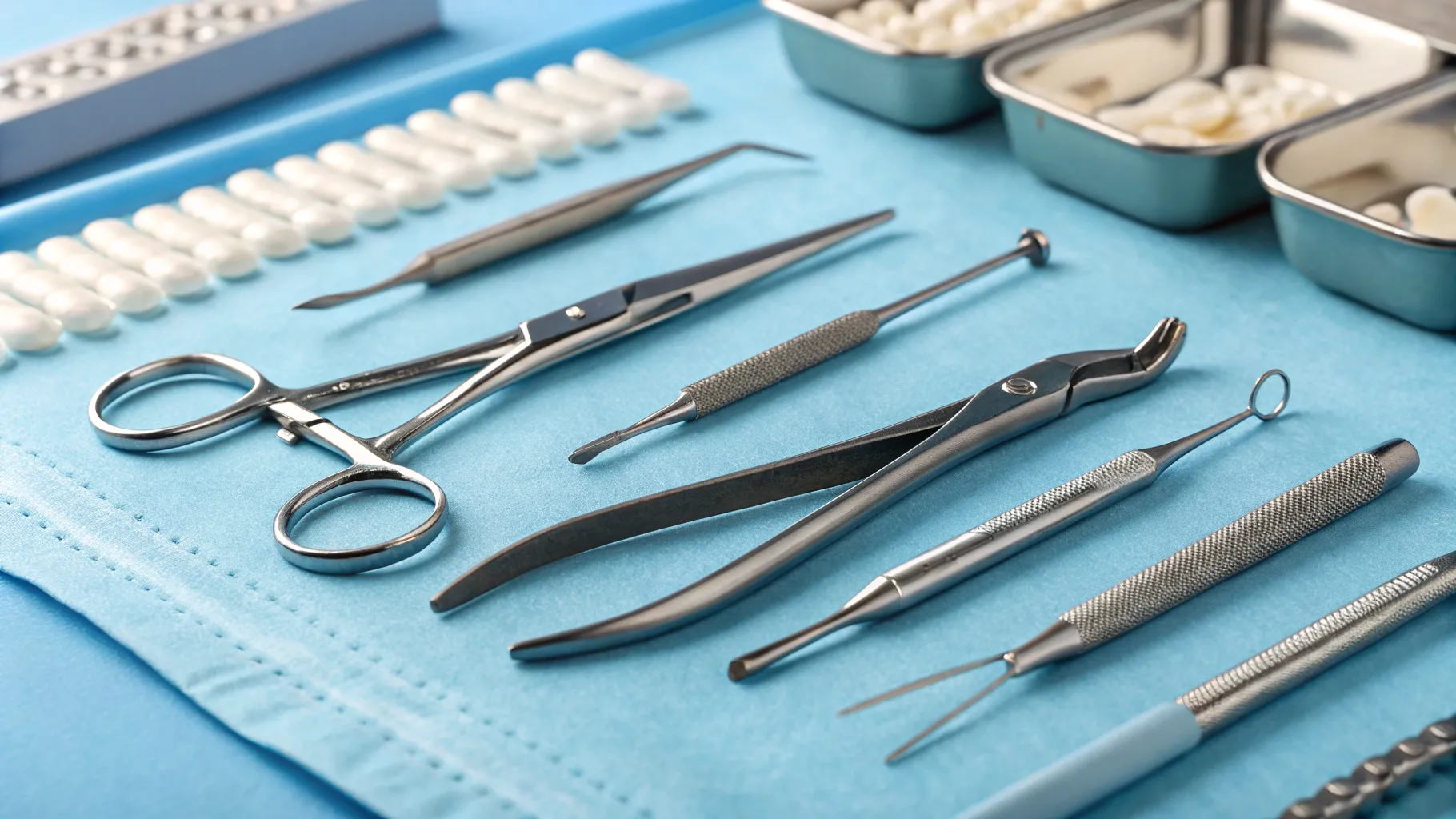
Types of Dental Clips and Their Specific Functions in Professional Settings
In a professional dental environment, the variety of clips employed is extensive, each meticulously designed for a particular task. For instance, matrix band clips, often paired with wedges, are fundamental in creating a temporary wall for fillings, allowing for proper contouring and contact points. These are crucial for the precise fabrication of fillings and temporary restorations, ensuring that the final restoration seamlessly integrates with the natural tooth structure. Rubber dam clamps, another category of dental clips, are essential for isolating a tooth or teeth from the rest of the oral cavity during procedures like root canals or bonding. This isolation prevents contamination and enhances visibility. Furthermore, specialized orthodontic clips, such as those used in self-ligating braces, gently hold archwires, reducing friction and potentially shortening treatment times. Each type of clip, from small spring-loaded retainers to larger, more robust clamps, has a distinct design and purpose, making them indispensable for various clinical procedures and contributing significantly to the effectiveness and efficiency of modern dentistry.
Beyond the Clinic: Differences Between Clips Used in Dental Clinics and at Home
While clinics utilize highly specialized instruments, dental clips also play a role in everyday oral hygiene, though their design and materials differ significantly. The differences between clips used in dental clinics and at home are primarily driven by their intended use and the user's skill level. Clinic clips are typically robust, sterilizable, and made from high-grade stainless steel or titanium to withstand rigorous professional use and repeated sterilization cycles. They often require specific training to handle. In contrast, clips found in consumer products are designed for ease of use, safety, and affordability. Examples include flossing aids that securely hold a length of floss, making it easier to navigate interdental spaces, especially for individuals with limited dexterity. There are also clips incorporated into aligner removal tools, which help patients safely remove their clear aligners without damaging them or their nails. Understanding these distinctions is key to appreciating how clips serve both the intricate demands of professional dentistry and the practical needs of daily personal care, demonstrating their versatility across the entire spectrum of oral health maintenance.
Durability and Patient Comfort: Understanding the Materials That Ensure Comfort and Durability of Clips
The selection of materials for dental clips is a critical factor influencing both their performance and patient experience. When considering the materials that ensure comfort and durability of clips, dentists and manufacturers prioritize biocompatibility, strength, and resistance to corrosion and sterilization. Stainless steel is a common choice for many clinical clips due to its excellent durability, ability to withstand repeated sterilization, and strength required for firm grip and stability. However, for certain applications, such as orthodontic components or specific surgical instruments, titanium is favored for its superior strength-to-weight ratio and exceptional biocompatibility, especially for patients with nickel sensitivities. In consumer products or specific clinical contexts requiring flexibility or softer contact, medical-grade plastics and silicone are often used. These materials offer comfort, are lightweight, and can be molded into ergonomic shapes, such as in aligner removers or certain types of matrix bands. The innovation in material science continues to advance, leading to clips that are not only more durable and effective but also significantly enhance patient comfort during various dental interventions and daily hygiene routines.
Precision and Restoration: How Clips Help in the Precise Fabrication of Fillings and Temporary Restorations
The art and science of restorative dentistry heavily rely on the meticulous application of various tools, among which dental clips play a foundational role in achieving precise and lasting results. Understanding how clips help in the precise fabrication of fillings and temporary restorations reveals their indispensable nature. For amalgam and composite fillings, especially on posterior teeth, matrix band systems are paramount. These systems often involve a thin metal or plastic band that encircles the tooth, creating a wall against which the restorative material can be packed. Clips, such as Tofflemire retainers or sectional matrix systems with specialized rings and wedges, secure these bands tightly against the tooth. This creates the necessary anatomical contour, ensuring proper contact points with adjacent teeth and preventing overhangs, which are crucial for long-term periodontal health and food impaction prevention. For temporary restorations, clips can secure prefabricated crowns or custom-made provisional fillings, maintaining the tooth's position and protecting it until a definitive restoration is ready. The precision offered by these clips allows dentists to sculpt restorations that mimic natural tooth anatomy, ensuring both functional integrity and aesthetic appeal.
Specialized Applications: The Vital Use of Clips in Endodontics and Orthodontics
The specialized fields of endodontics (root canal treatment) and orthodontics (tooth alignment) showcase the adaptable and critical use of clips in endodontics and orthodontics. In endodontics, the rubber dam clamp is perhaps the most iconic clip. It firmly anchors the rubber dam, a thin sheet of latex or non-latex material, around the tooth undergoing root canal therapy. This creates a sterile, isolated field, preventing saliva and bacteria from contaminating the root canal system, which is vital for treatment success. Furthermore, it protects the patient from aspirating small instruments and chemicals. In orthodontics, various clips are integral to the mechanics of tooth movement. Beyond the traditional bracket and wire system, newer self-ligating braces utilize clips or