
Does Home Whitening Method Costs Less Than One Dentist Visit?
Fast Facts About Teeth Whitening:
- Home teeth whitening market growing globally.
- Consumer interest in cost-effective teeth whitening methods is consistently high.
Navigating the Financial Landscape of Teeth Whitening
In the quest for a brighter smile, many individuals ponder the financial implications of different approaches. The central question often revolves around whether the appealing convenience and lower upfront investment of home teeth whitening truly make it a more economical choice compared to the perceived higher price tag of a single dentist whitening cost. This comprehensive analysis delves into the various factors that influence the overall expenditure, efficacy, and long-term value of both at-home solutions and professional dental treatments.
The Components of Dentist Whitening Cost
Understanding the full scope of a dentist whitening cost requires examining more than just the advertised price. Professional treatments, often involving in-office bleaching or custom-fitted trays with medical-grade whitening agents, encapsulate the dentist's expertise, the use of specialized equipment, and the higher concentration of active ingredients for faster, more dramatic results. Factors such as the dentist's location, the technology employed (e.g., laser activation), and the number of sessions required for optimal brightness all contribute to the final bill. While the initial outlay might seem significant, it often includes a thorough dental examination, preparation of the teeth to ensure health and safety, and direct supervision which minimizes risks of gum irritation or uneven whitening. The premium paid also often guarantees a more consistent and predictable outcome, tailored specifically to the individual's dental health and aesthetic goals, setting it apart from generic at-home whitening kits.
Deconstructing Home Teeth Whitening Expenses
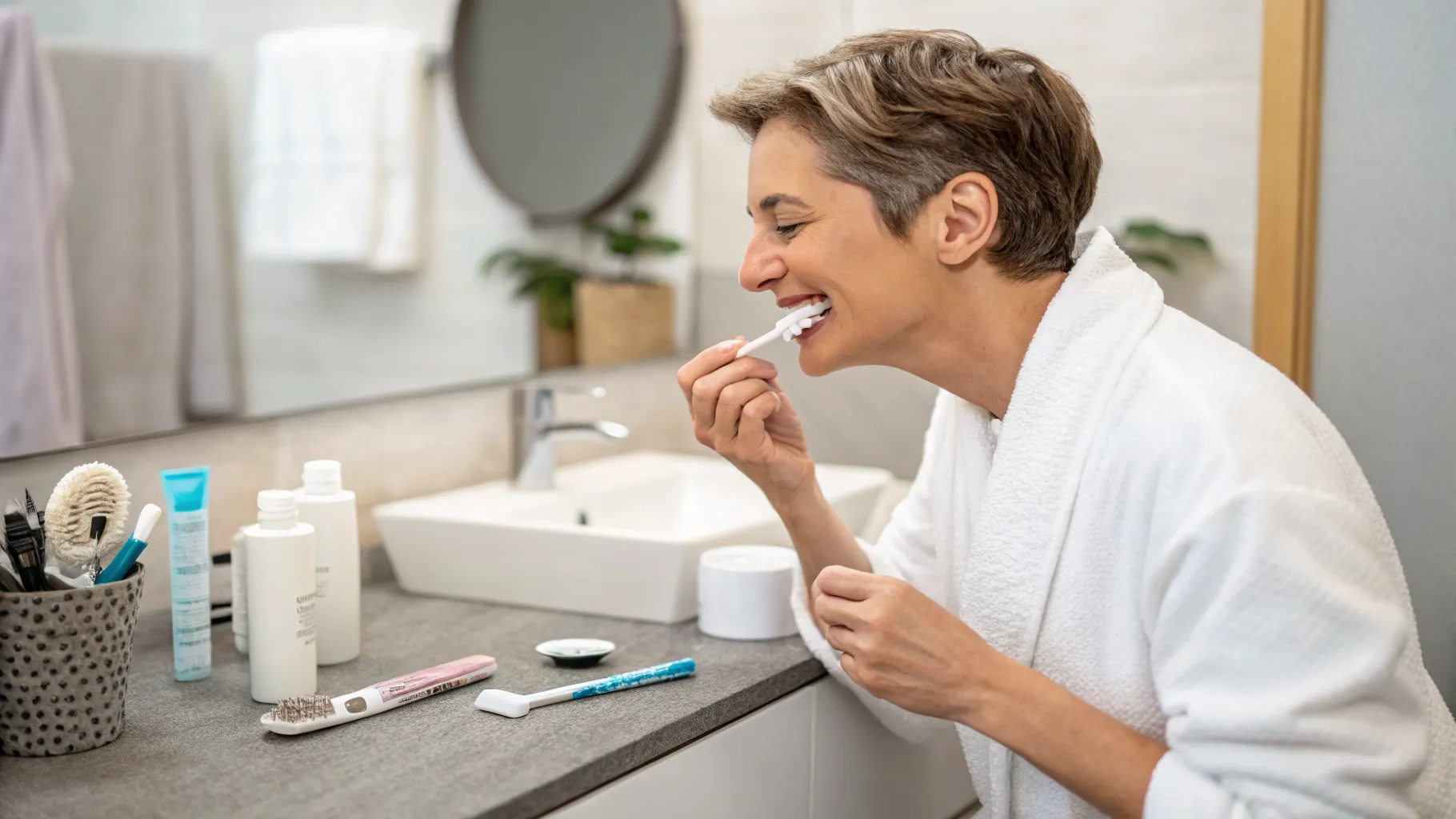
Conversely, the allure of home teeth whitening largely stems from its apparent affordability. This category encompasses a broad spectrum of products, including strips, gels, trays, and LED light kits, all readily available over-the-counter or online. The initial purchase price for these at-home whitening kits is undeniably lower than a single professional visit. However, the true cost can accumulate over time. Users often require multiple kits or repeated purchases to achieve desired results, and the effectiveness can vary widely. Some products may require longer application periods or more frequent use, leading to ongoing expenses. Furthermore, while seemingly cheaper, there's a potential for hidden costs if misused, such as increased tooth sensitivity or gum irritation, which might necessitate a dental visit for corrective treatment. It’s crucial to consider the cumulative cost and potential risks when evaluating the long-term economic viability of these diverse teeth whitening methods.
Efficacy and Longevity: A Key Determinant of Value
Beyond the sticker price, the efficacy and longevity of results are paramount in determining the true value of any teeth whitening methods. Professional teeth whitening administered by a dentist typically yields more immediate and dramatic results due to higher concentrations of hydrogen peroxide or carbamide peroxide and professional application techniques. These results can also last longer with proper maintenance, often up to a year or more. The intensity and speed of professional treatments mean fewer applications are needed, potentially offsetting the higher upfront dentist whitening cost over time. On the other hand, home teeth whitening products usually contain lower concentrations of active ingredients, requiring consistent, prolonged use to see noticeable changes. The results may be more subtle and might fade quicker, necessitating more frequent touch-ups and continuous investment in at-home whitening kits. This difference in duration and intensity is a critical factor when assessing which approach offers better long-term value for a brighter smile.
Safety Considerations and Potential Hidden Costs
Safety is a non-negotiable aspect of any dental treatment, and it plays a significant role in the overall comparison of costs. Professional teeth whitening benefits from the direct supervision of a dental professional who can assess oral health, protect gums and soft tissues, and manage any sensitivities immediately. This reduces the risk of adverse effects, which, if they occur, are typically minor and transient. In contrast, while generally safe when used as directed, at-home whitening kits lack professional oversight. Overuse, improper application, or pre-existing dental conditions (like cavities or gum disease) can lead to increased tooth sensitivity, gum irritation, chemical burns, or even damage to tooth enamel. Should such issues arise, the 'saved' money from a cheaper home kit could quickly be negated by the cost of emergency dental visits or restorative procedures. Therefore, the inherent safety and reduced risk profile of a professional treatment add an intangible, yet substantial, value that influences the true dentist whitening cost versus at-home methods.
Making an Informed Decision on Your Whitening Journey
Deciding between home teeth whitening and professional teeth whitening ultimately comes down to a balance of budget, desired results, safety concerns, and personal preferences. For those seeking immediate, significant, and long-lasting results with minimal risk, the investment in a dentist whitening cost may prove to be the more cost-effective and reassuring option in the long run. The comprehensive approach of a dental professional, from initial assessment to post-treatment care, provides a level of quality and safety that over-the-counter products cannot replicate. However, for individuals with minor staining, a limited budget, and a willingness to commit to a consistent, extended regimen, well-researched and properly used at-home whitening kits can offer a viable, albeit slower and less dramatic, path to a brighter smile. It is always advisable to consult with a dental professional to determine the most suitable and safest of all available teeth whitening methods for your specific oral health needs.
Maximizing Your Investment in a Brighter Smile
- Consult a Dentist First: Before embarking on any teeth whitening methods, whether professional or at-home, a dental check-up is crucial. A dentist can identify underlying issues like cavities or gum disease that could be exacerbated by whitening agents, saving you potential future costs and discomfort. They can also advise on the most effective and safest approach for your specific dental situation, potentially guiding you towards the best value for your dentist whitening cost or a suitable at-home whitening kit.
- Understand Product Specifics for Home Whitening: If opting for home teeth whitening, meticulously research different brands and product types. Pay close attention to active ingredient concentrations, application methods, and user reviews. Not all products are created equal, and choosing a reputable, effective kit can prevent wasted money on ineffective treatments and avoid the need for corrective dental work. Compare the cost per application and expected longevity of results to truly gauge the value.
- Maintain Excellent Oral Hygiene: Regardless of the whitening method chosen, consistent and thorough oral hygiene is fundamental to preserving your results. Regular brushing, flossing, and professional cleanings can prevent new stains from forming, extending the life of your whitening treatment. This proactive approach reduces the need for frequent re-treatments, thereby lowering your overall long-term investment in maintaining a bright smile.
- Mind Your Diet: Certain foods and beverages are notorious for staining teeth. Limiting consumption of coffee, tea, red wine, and dark berries, or rinsing your mouth with water after consuming them, can significantly contribute to the longevity of your whitening results. This simple lifestyle adjustment can delay the need for follow-up whitening sessions, whether it's another professional teeth whitening treatment or replenishing your supply of at-home whitening kits, thereby saving you money.
- Consider Combination Approaches: In some cases, a combination of methods might offer the best balance of efficacy and cost. For example, an initial professional treatment followed by periodic touch-ups with custom-fitted at-home trays provided by your dentist can maintain results effectively without the full expense of repeated in-office visits. Discuss these hybrid teeth whitening methods with your dentist to find a tailored solution that fits both your budget and your aesthetic goals for managing your overall dentist whitening cost.
Frequently Asked Questions
Is home teeth whitening as effective as professional treatments?
While home teeth whitening can provide noticeable results, it generally isn't as dramatic or immediate as professional teeth whitening. Dentist-supervised treatments use higher concentrations of whitening agents and specialized techniques, leading to faster and often more significant changes. At-home kits typically require longer, consistent use for more subtle results, but the cumulative effect can still be satisfying for many.
What factors influence the dentist whitening cost?
The dentist whitening cost is influenced by several factors, including the type of professional treatment (e.g., in-office bleaching, custom trays), the dentist's location and reputation, the technology used (e.g., laser or LED activation), and the number of sessions required. It often includes an initial consultation, gum protection, and follow-up care, all contributing to the comprehensive service.
Can at-home whitening kits damage my teeth?
When used incorrectly or excessively, at-home whitening kits can potentially cause increased tooth sensitivity, gum irritation, or even damage to enamel. It's crucial to follow product instructions meticulously and to consult with a dentist beforehand, especially if you have pre-existing dental conditions, to minimize risks associated with various teeth whitening methods.
How long do professional teeth whitening results last?
The longevity of professional teeth whitening results varies among individuals but typically lasts from six months to two years, with proper oral hygiene and dietary habits. Avoiding stain-causing foods and beverages, as well as regular dental check-ups, can significantly extend the brightness achieved from the initial dentist whitening cost.
Are there any natural teeth whitening methods that are truly effective and safe?
Many natural teeth whitening methods, such as using baking soda or activated charcoal, are often promoted, but their effectiveness is typically limited and their safety can be questionable. Abrasive methods can damage enamel, leading to increased sensitivity or even more staining over time. It's always best to consult a dental professional before trying any unproven home remedies, as they can sometimes lead to greater dentist whitening cost for corrective procedures later.
References
- American Dental Association. "Tooth Whitening."
- Journal of Esthetic and Restorative Dentistry. "Efficacy of At-Home Whitening Systems."
- Consumer Reports. "The Cost of a Brighter Smile: At-Home vs. Professional Whitening."
- Dental Economics. "The Business of Cosmetic Dentistry: Whitening Trends."