
Effective Nasal Congestion Treatment Options for Lasting Relief
Facts:
- Over 60% of adults experience nasal congestion annually.
- Demand for diverse nasal congestion treatment options is trending upwards for adults.
Understanding and Addressing Nasal Congestion Effectively
Nasal congestion, often referred to as a stuffy nose, is a common ailment that affects millions, significantly impacting quality of life. While frequently associated with colds, it can also stem from allergies, sinus infections, or other underlying conditions. Exploring comprehensive nasal congestion treatment options is crucial for finding lasting relief. This guide will delve into the various approaches to address nasal congestion causes and treatment, from home remedies to medical interventions, ensuring you can breathe easier.
Common Causes and Initial Home-Based Relief
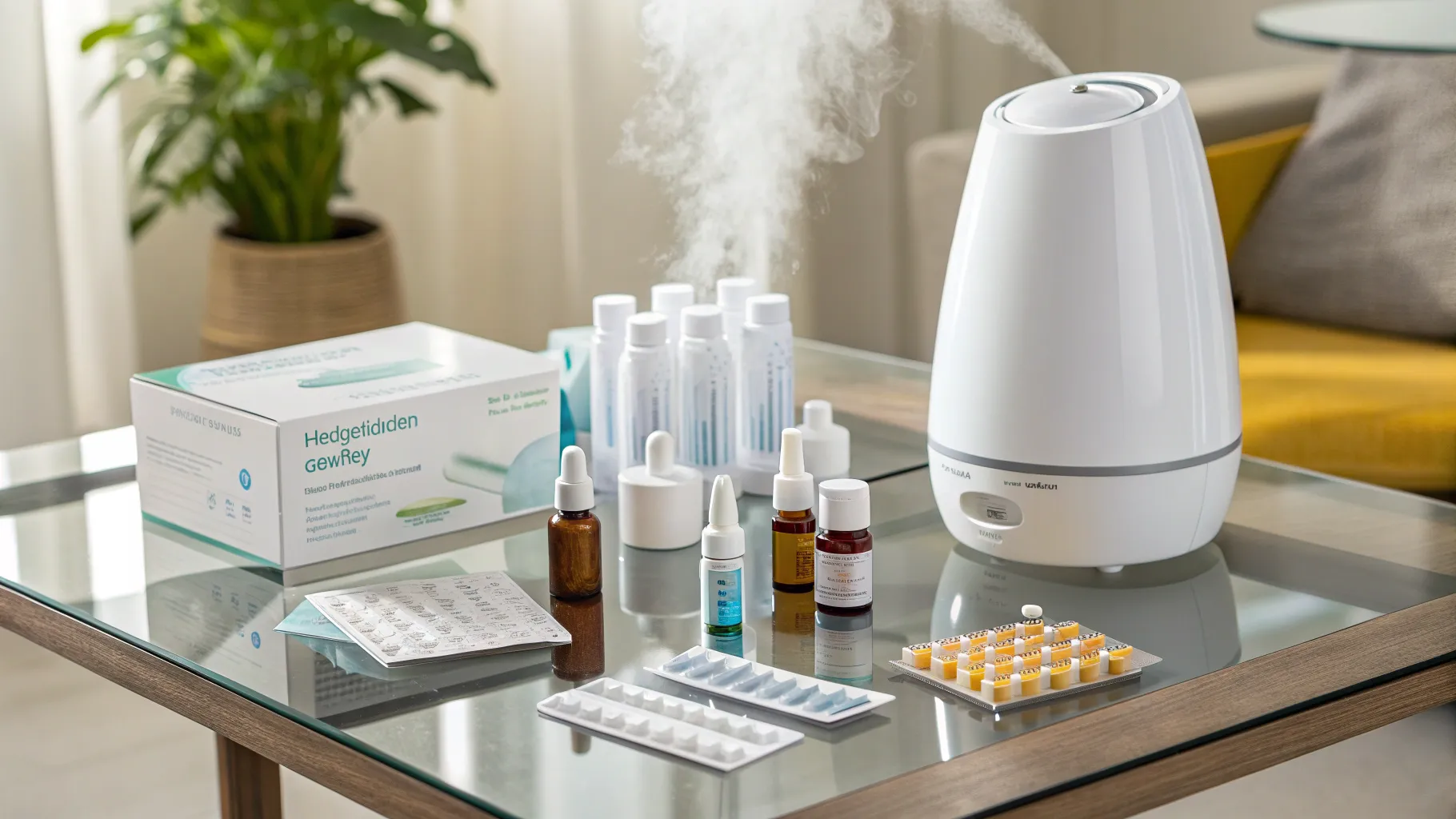
Before delving into specific nasal congestion treatment options, it's vital to understand the root causes. Common culprits include viral infections like the common cold, allergic reactions to pollen or dust mites, sinus infections (sinusitis), and even changes in weather or air quality. For many, the initial approach involves home remedies, which can be remarkably effective in providing temporary relief. Using a humidifier can add moisture to the air, helping to thin mucus and soothe irritated nasal passages. Saline nasal sprays or rinses are excellent for flushing out irritants and moisturizing the nasal lining, making them a cornerstone of early nasal congestion causes and treatment strategies. Steam inhalation, by simply leaning over a bowl of hot water with a towel over your head, can also help to loosen mucus and reduce swelling, offering immediate, though temporary, comfort. For individuals experiencing nasal congestion without cold, identifying environmental triggers becomes paramount.
Over-the-Counter (OTC) Nasal Congestion Treatment Options
When home remedies aren't enough, various over-the-counter medications offer additional relief. Decongestant nasal sprays, such as oxymetazoline or phenylephrine, work by constricting blood vessels in the nasal passages, reducing swelling and opening airways. However, it's crucial to use these judiciously, as prolonged use (more than 3-5 days) can lead to rebound congestion, a condition where symptoms worsen upon stopping the medication. Oral decongestants, like pseudoephedrine or phenylephrine, work systemically to reduce swelling. Antihistamines, particularly second-generation options, are effective nasal congestion treatment options for allergy-induced congestion, blocking the histamine response that triggers symptoms. Pain relievers like ibuprofen or acetaminophen can also help alleviate associated discomfort, such as headaches or facial pressure, often accompanying significant nasal blockage treatment adults experience.
Advanced Medical Approaches for Persistent Symptoms
For individuals grappling with persistent or severe congestion, especially those with chronic nasal congestion treatment needs, medical intervention may be necessary. Prescription nasal steroids are often the first-line medical treatment for chronic cases. These sprays reduce inflammation in the nasal passages and can take several days to show full effect but are safe for long-term use. Antihistamine nasal sprays and ipratropium bromide nasal spray (which reduces mucus production) are other prescription nasal congestion treatment options that can be highly effective. In cases where structural issues, such as a deviated septum, nasal polyps, or enlarged turbinates, are the primary cause of nasal blockage treatment adults might consider, surgical procedures may be recommended. These surgeries aim to correct the anatomical abnormalities, providing a more permanent solution for breathing difficulties and improving overall quality of life.
Lifestyle Adjustments and Preventive Measures
Beyond immediate treatments, making certain lifestyle adjustments can significantly contribute to managing and preventing nasal congestion. Identifying and avoiding triggers, especially for allergic rhinitis, is key. This might involve using air purifiers, encasing bedding in allergen-proof covers, and regular cleaning to minimize dust mites. Staying hydrated by drinking plenty of fluids helps to keep mucus thin and easier to clear. Elevating your head slightly while sleeping can also aid in reducing congestion at night. For those experiencing nasal congestion without cold, keeping a symptom diary can help pinpoint specific environmental or dietary factors. Regular exercise can also improve overall respiratory health, contributing to better long-term management of nasal symptoms. Implementing these preventive strategies can reduce the frequency and severity of future episodes, minimizing the need for acute nasal congestion treatment options.
Tailoring Your Treatment Plan: A Comprehensive Look
Effective management of nasal congestion often requires a personalized approach, integrating various nasal congestion treatment options. For acute episodes, a combination of saline rinses and a short course of OTC decongestants might suffice. However, if you're dealing with chronic nasal congestion treatment, a long-term strategy involving prescription nasal steroids and allergen avoidance is more appropriate. Understanding the specific nasal congestion causes and treatment tailored to your unique situation is paramount. For instance, if allergies are the primary driver, focusing on antihistamines and immunotherapy might be more beneficial than relying solely on decongestants. Adults experiencing severe nasal blockage treatment adults frequently seek should consult with an ENT specialist to rule out structural issues that may require surgical correction. Even for mild cases of nasal congestion without cold, a holistic view encompassing hydration, environmental control, and appropriate medication will yield the best results.
When comparing different nasal congestion treatment options, it's clear that short-term relief often comes from decongestants and saline sprays, while long-term management, especially for chronic nasal congestion treatment, heavily relies on anti-inflammatory agents like nasal steroids and addressing underlying causes such as allergies. Surgical interventions represent the most definitive approach for structural obstructions leading to severe nasal blockage treatment adults often face. Deciding among these paths requires careful consideration of the specific nasal congestion causes and treatment required, highlighting the importance of professional medical advice.
Practical Tips for Immediate and Long-Term Nasal Congestion Relief
- Stay Hydrated: Drink plenty of water and clear fluids. This helps thin mucus, making it easier to clear from your nasal passages, a simple yet effective step among nasal congestion treatment options.
- Use Saline Nasal Sprays/Rinses: Regularly flush your nasal passages with saline solution to clear irritants and reduce swelling. This is a safe and effective component of any nasal congestion causes and treatment plan.
- Elevate Your Head While Sleeping: Prop your head up with an extra pillow. This can help improve drainage and reduce the pooling of mucus in your nasal passages, offering relief, particularly for nasal blockage treatment adults might need at night.
- Consider Humidifiers: Place a cool-mist humidifier in your bedroom. Moist air can soothe irritated tissues and thin mucus, aiding in overall relief from nasal congestion without cold symptoms.
- Identify and Avoid Triggers: If allergies are a cause, try to identify specific allergens (pollen, dust mites, pet dander) and minimize exposure. This preventive measure is crucial for successful chronic nasal congestion treatment.
- Consult a Healthcare Professional: If congestion persists or worsens, seek medical advice. A doctor can accurately diagnose the cause and recommend the most appropriate nasal congestion treatment options, including prescription medications or specialist referrals.
Frequently Asked Questions
What are the most effective nasal congestion treatment options for allergies?
For allergy-related nasal congestion, the most effective treatments often include antihistamines (oral or nasal sprays), corticosteroid nasal sprays, and saline rinses. Identifying and avoiding specific allergens is also a critical long-term strategy. Immunotherapy, such as allergy shots, can provide long-term relief by desensitizing the body to allergens.
Can I use nasal decongestant sprays every day for chronic nasal congestion treatment?
No, most over-the-counter decongestant nasal sprays (like oxymetazoline) should not be used for more than 3-5 consecutive days. Prolonged use can lead to "rebound congestion" (rhinitis medicamentosa), making your symptoms worse. For chronic congestion, prescription nasal steroids or other long-term nasal congestion treatment options prescribed by a doctor are more appropriate and safer.
What causes nasal congestion without cold symptoms?
Nasal congestion without cold symptoms can be caused by various factors, including allergies (allergic rhinitis), non-allergic rhinitis (vasomotor rhinitis), environmental irritants (smoke, strong perfumes), structural issues (deviated septum, nasal polyps), certain medications, and even hormonal changes. A doctor can help diagnose the specific nasal congestion causes and treatment tailored to your situation.
When should I see a doctor for nasal blockage treatment adults?
You should see a doctor if your nasal congestion lasts longer than 10-14 days, is accompanied by severe pain, high fever, green or yellow nasal discharge, or if it significantly interferes with your breathing, sleep, or daily activities. If you suspect a sinus infection, a foreign object in the nose (especially in children), or if home remedies and OTC medications provide no relief, professional medical evaluation for nasal congestion treatment options is advised.
Are there natural nasal congestion treatment options for children?
For children, gentle natural nasal congestion treatment options include saline nasal drops or spray, using a humidifier in their room, and ensuring they drink plenty of fluids. For infants, a bulb syringe can help clear mucus after saline drops. Always consult a pediatrician before administering any medication to children.
References
- American Academy of Otolaryngology—Head and Neck Surgery.
- National Institute of Allergy and Infectious Diseases.
- Mayo Clinic.
- Harvard Health Publishing.
- Cleveland Clinic.