Effective Nasal Polyps Treatment: Finding the Best Solutions
Fast Facts:
- Nasal polyps affect millions worldwide, significantly impacting quality of life.
- New biological therapies represent a major trend in nasal polyps treatment for chronic sufferers.
Understanding and Addressing Chronic Nasal Polyps
Living with chronic nasal polyps can be debilitating, causing persistent congestion, loss of smell, and recurrent sinus infections. Identifying the best treatment for nasal polyps is crucial for improving patient outcomes and overall well-being. This comprehensive guide explores the various approaches to nasal polyps treatment, from medical management to advanced surgical techniques, aiming to provide clarity and empower individuals seeking relief.
Medical Management: The First Line of Defense
Topical Corticosteroids: These are often the initial and most common form of nasal polyps treatment. Nasal sprays or rinses containing corticosteroids help reduce inflammation and shrink polyps. Consistency is key for optimal results. For individuals with persistent symptoms, a short course of oral corticosteroids may be prescribed to quickly reduce inflammation, though long-term use is typically avoided due to systemic side effects. The goal of this medical intervention is to manage symptoms and prevent polyp growth, providing significant relief for many patients struggling with inflammation treatment nasal polyps.
Oral Corticosteroids: In cases of severe inflammation and large polyps, a short course of oral corticosteroids may be initiated to achieve rapid reduction in polyp size and inflammation. While highly effective in the short term, the long-term use of oral corticosteroids is limited by potential side effects such as weight gain, bone density loss, and increased blood sugar. Therefore, they are usually reserved for acute flare-ups or as a bridge to other therapies. Physicians often weigh the benefits against the risks when considering this aggressive form of nasal polyps treatment, particularly for severe cases requiring swift intervention.
Biologic Therapies: For patients with severe, recurrent nasal polyps unresponsive to traditional treatments, advanced biologic medications have emerged as a revolutionary nasal polyps treatment option. These targeted therapies, such as dupilumab, mepolizumab, and omalizumab, work by blocking specific inflammatory pathways that contribute to polyp formation. They are administered via injection and have shown remarkable success in shrinking polyps, improving sense of smell, and reducing the need for surgery. Biologics represent a significant advancement in chronic sinus polyps therapy, offering hope for long-term management. This personalized approach to inflammation treatment nasal polyps targets the root cause of the problem, leading to sustained improvement.
Surgical Interventions: When Medical Treatments Fall Short
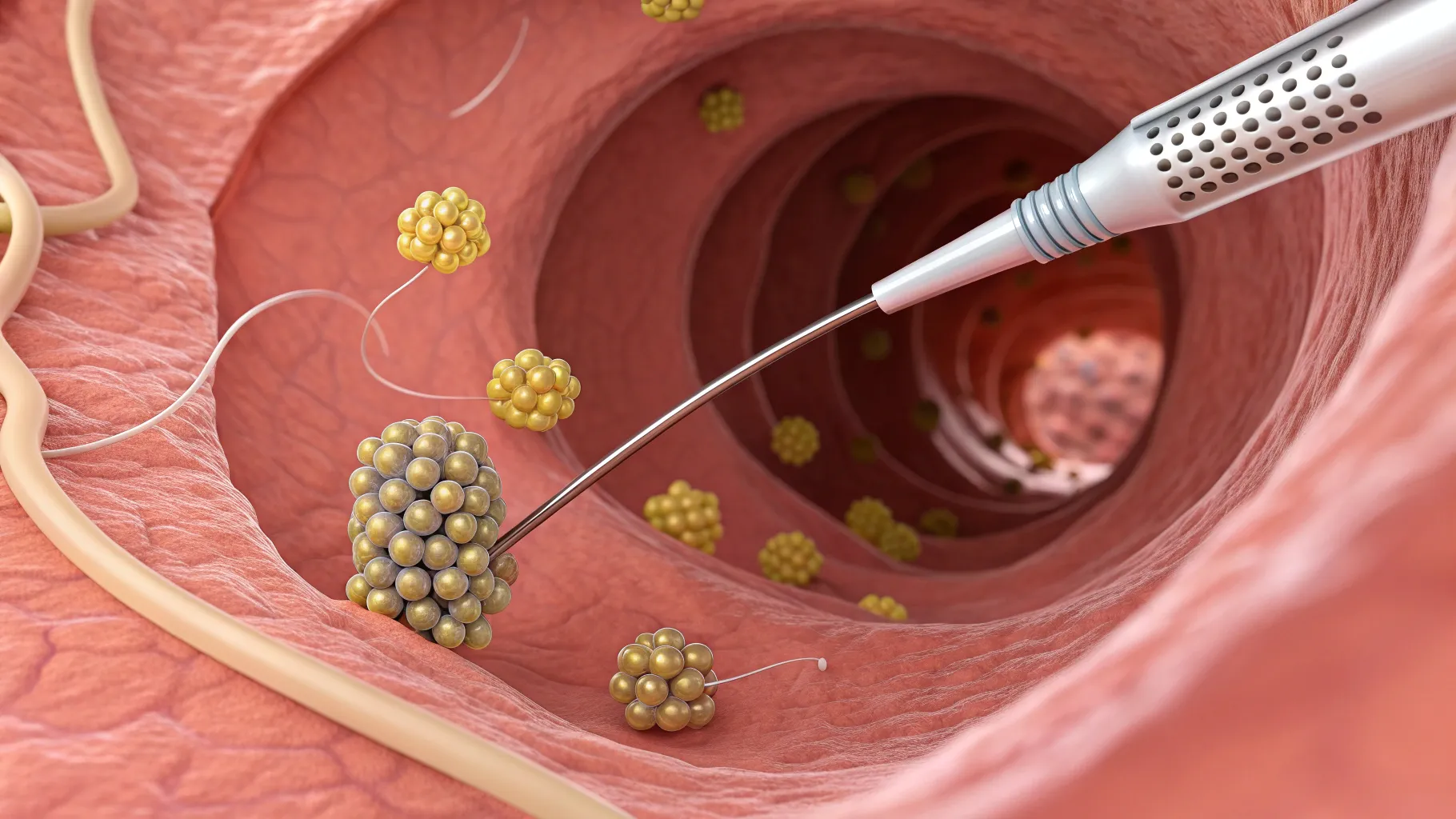
Endoscopic Sinus Surgery (ESS): When medical management fails to adequately control symptoms or if polyps are particularly large and obstructive, endoscopic sinus surgery (ESS) becomes the primary surgical nasal polyps treatment. This minimally invasive procedure involves inserting a thin endoscope with a camera into the nostrils to visualize and remove the polyps and any underlying diseased tissue. The goal is to clear the nasal passages, restore normal sinus drainage, and improve airflow. ESS is a highly effective procedure, but polyps can recur, necessitating ongoing medical therapy post-surgery. An experienced ENT treatment nasal polyps specialist performs this intricate surgery.
Post-Surgical Care: Following ESS, a crucial component of nasal polyps treatment involves meticulous post-operative care. This typically includes saline rinses to keep the sinuses clean and moist, as well as topical corticosteroid sprays to prevent polyp recurrence and manage residual inflammation. Regular follow-up appointments with the ENT specialist are essential to monitor healing, address any concerns, and adjust medical therapy as needed. Adherence to this regimen is critical for maximizing the long-term success of the surgery and maintaining symptom control for those undergoing chronic sinus polyps therapy.
Lifestyle Adjustments and Complementary Approaches
Saline Irrigations: Regular nasal saline irrigations are a simple yet highly effective adjunctive nasal polyps treatment. Using a neti pot or squeeze bottle with a sterile saline solution helps to rinse away irritants, allergens, and mucus, reducing inflammation and keeping the nasal passages clear. This practice can significantly improve nasal hygiene and reduce the severity of symptoms, complementing other medical therapies. It’s a gentle way to support overall sinus health and reduce the burden of inflammation treatment nasal polyps.
Avoiding Triggers: Identifying and avoiding environmental triggers can play a role in managing nasal polyps. Common irritants include allergens (pollen, dust mites, pet dander), smoke, and certain chemical fumes. While not a direct nasal polyps treatment, minimizing exposure to these factors can reduce sinus inflammation and potentially slow polyp growth. Patients should work with their healthcare provider to identify specific triggers and develop strategies for avoidance, which can be an important part of a holistic chronic sinus polyps therapy plan.
Differentiating Causes and Tailoring the Best Treatment for Nasal Polyps
Understanding the underlying causes of nasal polyps is paramount in tailoring the best treatment for nasal polyps. Polyps are often associated with chronic rhinosinusitis, allergies, asthma, and aspirin-exacerbated respiratory disease (AERD). A thorough diagnostic workup by an ENT specialist, which may include endoscopy and CT scans, helps to differentiate these conditions and guides the treatment strategy. For instance, patients with AERD may require a desensitization protocol in addition to standard polyp management. This comprehensive diagnostic approach ensures that the chosen ENT treatment nasal polyps pathway is truly individualized and effective.
The Future of Chronic Sinus Polyps Therapy
Research into new therapeutic avenues for nasal polyps treatment continues to evolve rapidly. Beyond current biologics, scientists are exploring novel drug targets and delivery methods. There's also growing interest in personalized medicine approaches, where treatment is specifically tailored to an individual's unique inflammatory profile. These advancements promise even more effective and less invasive options for patients suffering from nasal polyps, enhancing the landscape of chronic sinus polyps therapy and leading to better long-term outcomes. The ongoing innovation ensures that future generations will have access to even more sophisticated inflammation treatment nasal polyps strategies.
Frequently Asked Questions
What is the best treatment for nasal polyps without surgery?
For many individuals, the best treatment for nasal polyps without surgery involves a combination of topical corticosteroid nasal sprays, oral corticosteroids for acute flare-ups, and more recently, biologic therapies. These medical treatments aim to reduce inflammation and shrink polyps, often improving symptoms significantly without the need for invasive procedures. Regular saline rinses can also complement these treatments by maintaining nasal hygiene and reducing inflammation.
Can nasal polyps treatment prevent recurrence after surgery?
While surgery effectively removes existing polyps, it does not address the underlying inflammatory condition that causes them. Therefore, post-operative nasal polyps treatment is critical to prevent recurrence. This typically includes long-term use of corticosteroid nasal sprays or rinses, and in some cases, biologic therapies. Regular follow-up with an ENT treatment nasal polyps specialist is essential to monitor for signs of recurrence and adjust ongoing medical management.
How long does inflammation treatment nasal polyps take to work?
The duration for inflammation treatment nasal polyps to show effects can vary depending on the specific therapy and the individual. Topical corticosteroid sprays may take several weeks of consistent use to demonstrate significant improvement. Oral corticosteroids typically provide rapid relief within days. Biologic therapies, while potent, often require several weeks to months to achieve their full therapeutic effect, gradually reducing polyp size and improving symptoms. Patience and adherence to the prescribed regimen are key.
References
- American Academy of Otolaryngology – Head and Neck Surgery
- National Institute of Allergy and Infectious Diseases (NIAID)
- Journal of Allergy and Clinical Immunology
- European Academy of Allergy and Clinical Immunology (EAACI)
- Recent Advances in Chronic Rhinosinusitis Research