
Effective Nasal Polyps Treatment: A Comprehensive Guide to Management
Facts:
- Nasal polyps affect up to 4% of the global population, impacting quality of life.
- Recent trends show significant advancements in biologic therapies for chronic sinus polyps treatment.
Navigating Comprehensive Nasal Polyps Treatment Options
Nasal polyps treatment encompasses a comprehensive range of strategies aimed at alleviating symptoms, reducing polyp size, and preventing recurrence. These benign, non-cancerous growths in the nasal passages or sinuses can significantly impair quality of life, leading to symptoms such as chronic nasal obstruction, reduced sense of smell, persistent post-nasal drip, and recurrent sinus infections. Effective nasal polyp management is therefore crucial for restoring proper respiratory function, enhancing sensory perception, and improving overall well-being. Understanding the various therapeutic pathways is essential for patients seeking lasting relief from this often challenging condition.
Medical Interventions for Nasal Polyp Management
The cornerstone of initial nasal polyps treatment often involves medical interventions designed to reduce inflammation and shrink the polyps. These therapies aim to provide symptom relief and can significantly improve a patient's quality of life without immediate recourse to surgery. The choice of medication for nasal polyps depends on the severity of symptoms, the size of the polyps, and any underlying conditions.
Corticosteroids: First-Line Medication for Nasal Polyps
Corticosteroids are typically the first line of medication for nasal polyps. Nasal corticosteroid sprays, such as fluticasone or mometasone, are highly effective in reducing inflammation and often shrink polyps over time with consistent use. These localized treatments minimize systemic side effects. For more severe cases or acute exacerbations, a short course of oral corticosteroids (e.g., prednisone) may be prescribed. While oral steroids can provide rapid and dramatic relief by reducing polyp size, they are generally used for a limited duration due to potential systemic side effects. Their role is to provide a 'reset' for the nasal passages, allowing subsequent nasal spray therapy to be more effective in ongoing nasal polyp management.
Biologic Therapies: Advanced Chronic Sinus Polyps Treatment
For individuals with severe or recurrent nasal polyps, especially those associated with chronic rhinosinusitis with nasal polyps (CRSwNP) or comorbid conditions like asthma, biologic therapies represent a significant advancement in chronic sinus polyps treatment. Medications like dupilumab (a monoclonal antibody) target specific inflammatory pathways responsible for polyp formation. These treatments are administered via injection and offer a long-term solution by significantly reducing polyp size, improving nasal patency, restoring sense of smell, and decreasing the need for oral steroids or surgery. Biologics provide a targeted approach to nasal inflammation treatment, offering hope for patients who have not found adequate relief from conventional treatments.
Surgical Approaches for Persistent Nasal Polyps Treatment
When medical therapies fail to provide sufficient relief or in cases of very large, obstructive polyps, surgical intervention becomes a necessary component of nasal polyps treatment. The primary surgical approach is endoscopic sinus surgery (ESS).
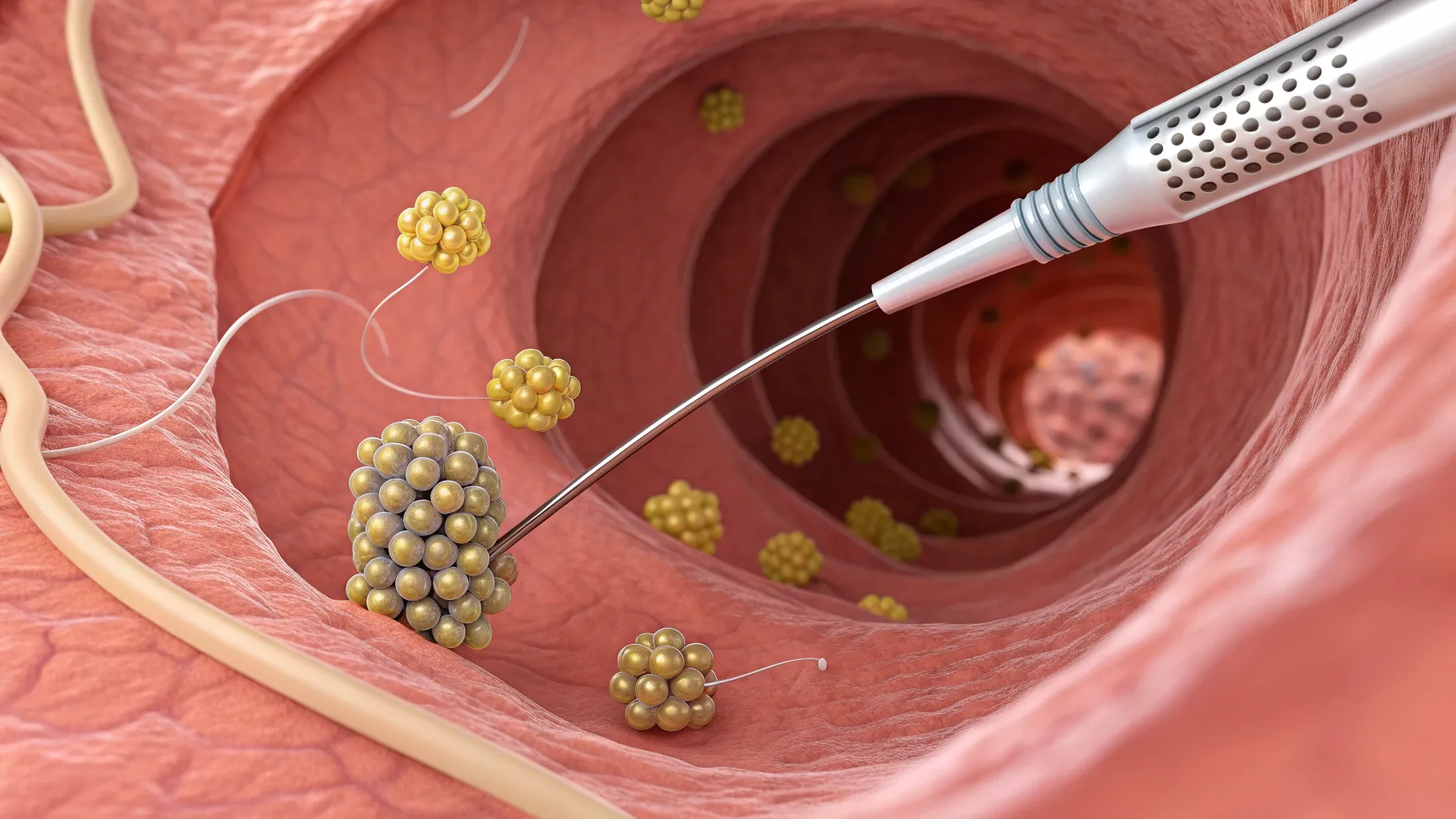
Endoscopic sinus surgery is a minimally invasive procedure performed under general anesthesia. During ESS, an ear, nose, and throat (ENT) surgeon uses a thin, lighted tube with a camera (endoscope) to visualize the nasal and sinus cavities. The polyps are then carefully removed, and the natural drainage pathways of the sinuses are often widened to improve ventilation and drainage. This not only removes existing polyps but also creates an environment conducive to better penetration of topical medications, crucial for ongoing nasal polyp management and reducing recurrence. Post-surgical care often involves continued use of nasal corticosteroid sprays and saline rinses to prevent new polyp formation and maintain the surgical outcome.
Complementary Strategies for Optimal Nasal Polyp Management
Beyond direct medical and surgical interventions, several complementary strategies play a vital role in optimizing nasal polyp management. These approaches focus on reducing irritants, supporting nasal health, and addressing underlying triggers for nasal inflammation treatment.
Saline irrigation, using a neti pot or saline rinse kit, helps to physically clear mucus, allergens, and irritants from the nasal passages, reducing inflammation and improving the effectiveness of other treatments. Humidifiers can help keep nasal passages moist, preventing dryness and irritation that can exacerbate symptoms. Furthermore, identifying and managing allergies through skin prick tests or blood tests can significantly impact nasal inflammation treatment, as allergic reactions often contribute to chronic inflammation that fuels polyp growth. A holistic approach combining these strategies with prescribed treatments is often the most effective path to long-term relief and prevention of recurrence.
Lifestyle Adjustments and Preventive Measures for Nasal Inflammation Treatment
Adopting certain lifestyle adjustments and preventive measures can significantly support nasal polyps treatment and reduce the likelihood of recurrence. These strategies focus on minimizing inflammatory triggers and promoting overall nasal health.
- Manage Allergies: Regularly consult with an allergist to identify and manage environmental allergens (e.g., pollen, dust mites, pet dander) that contribute to nasal inflammation treatment. This proactive approach, including immunotherapy if suitable, can significantly reduce the triggers that exacerbate polyps.
- Avoid Irritants: Minimize exposure to smoke (both primary and secondary), chemical fumes, strong perfumes, and other airborne irritants. These substances can inflame nasal passages and hinder the efficacy of your ongoing nasal polyps treatment. Using high-efficiency particulate air (HEPA) filters in your home can also be beneficial.
- Maintain Good Nasal Hygiene: Consistent use of saline nasal rinses or irrigations is crucial. This practice helps to physically clear allergens, irritants, and excess mucus from the nasal passages, assisting in nasal polyp management and preventing secondary infections.
- Stay Hydrated: Drinking plenty of water helps thin mucus, making it easier for the body to clear congestion and supporting overall nasal inflammation treatment. Adequate hydration also keeps the mucous membranes healthy.
- Regular Medical Follow-ups: Adhere to scheduled appointments with your ENT specialist. Regular monitoring allows for early detection of any polyp recurrence or growth, enabling timely adjustments to your ongoing nasal polyps treatment plan and optimizing long-term outcomes.
Frequently Asked Questions
What causes nasal polyps treatment to be necessary?
Nasal polyps treatment becomes necessary when chronic inflammation in the nasal passages or sinuses leads to the development of non-cancerous growths called polyps. These are often associated with conditions like asthma, allergies, aspirin sensitivity, or certain immune disorders, leading to persistent inflammation that requires intervention.
Can medication for nasal polyps completely cure them?
While medication for nasal polyps, particularly corticosteroids and biologics, can significantly reduce their size and alleviate symptoms, a complete 'cure' is less common. The goal is often long-term control and symptom management, as polyps can recur even after successful treatment has brought them under control.
Is surgery the only option for chronic sinus polyps treatment?
No, surgery is not the only option for chronic sinus polyps treatment. Medical therapies, including nasal corticosteroids, oral steroids, and newer biologic drugs, are often the first line of defense. Surgery (endoscopic sinus surgery) is typically reserved for cases where medical management has proven insufficient or for very large, obstructive polyps that cause significant symptoms.
How can I improve my nasal polyp management at home?
Effective nasal polyp management at home involves consistent use of prescribed nasal sprays, regular saline rinses to clear nasal passages, and avoiding known irritants or allergens. Maintaining good indoor air quality, managing underlying conditions like allergies or asthma, and diligently following your doctor's advice are all crucial for long-term symptom control and preventing recurrence.
References
- American Academy of Otolaryngology – Head and Neck Surgery
- Journal of Allergy and Clinical Immunology: In Practice
- European Rhinologic Society guidelines for nasal polyposis