
Effective Natural Remedies for Arthritis Pain: A Comprehensive Guide
Facts:
- Over 350 million people worldwide have arthritis.
- A growing trend for arthritis management is integrative health approaches.
Harnessing Nature's Power to Alleviate Joint Discomfort
Living with arthritis often means navigating daily pain and stiffness, which can significantly impact your quality of life. While conventional medical treatments are essential, many people seek complementary approaches to manage their symptoms. This guide explores some of the most effective natural remedies for arthritis pain, offering a holistic path toward greater comfort and mobility. By integrating these science-backed strategies, you can build a comprehensive plan to soothe inflammation and support long-term joint health, moving beyond simply managing pain to actively improving your well-being.
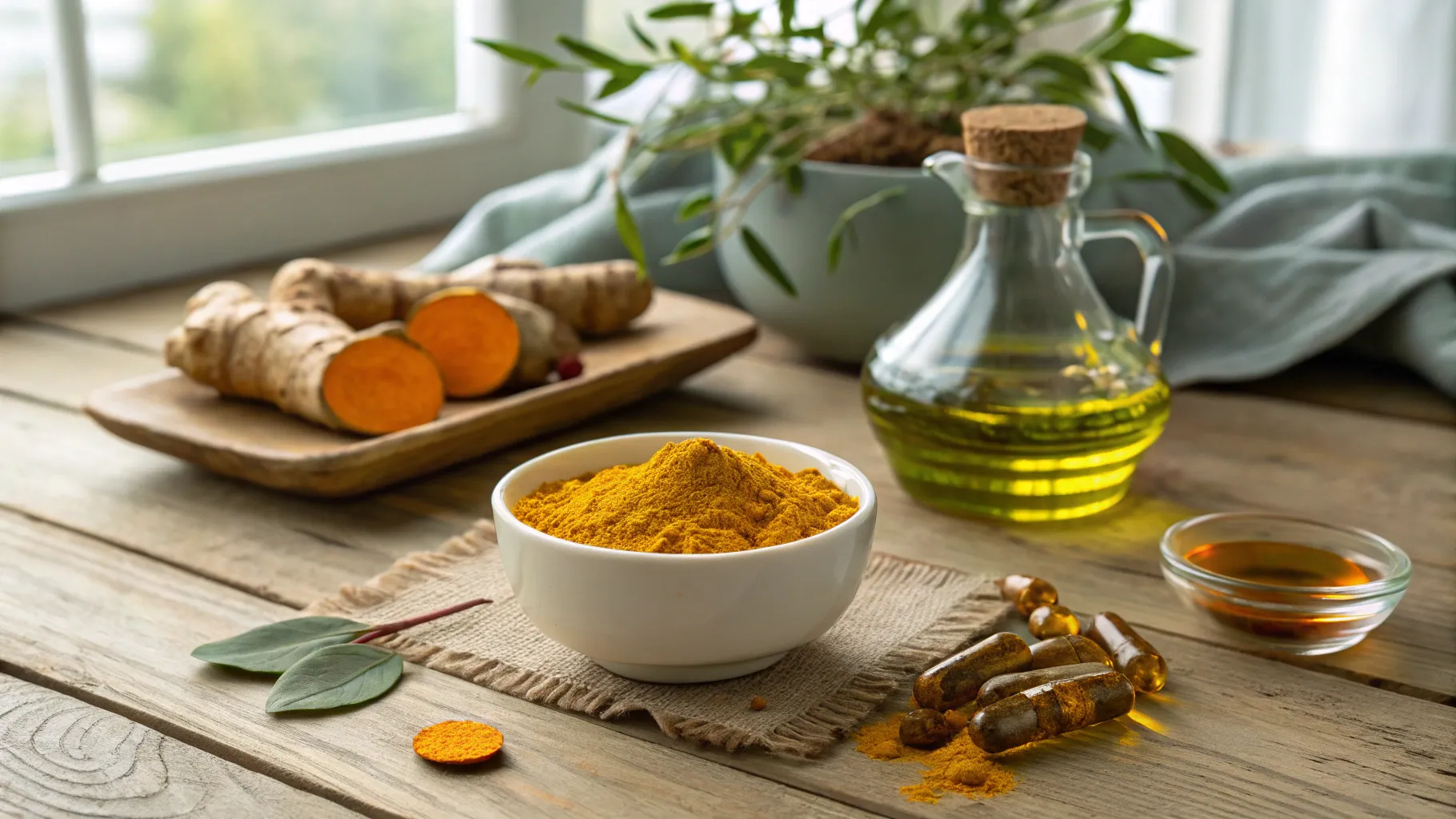
Top Herbal and Dietary Supplements for Joint Health
The foundation of many natural approaches lies in reducing inflammation, the primary driver of arthritis pain. Certain herbs and supplements have powerful anti-inflammatory properties that have been studied for their efficacy in joint conditions. Integrating these into your daily routine could provide significant relief. It's crucial, however, to discuss any new supplement with your healthcare provider to ensure it's safe and appropriate for you, especially if you are taking other medications. These natural remedies for arthritis pain work by targeting inflammatory pathways in the body, similar to some pharmaceuticals but often with fewer side effects.
Turmeric (Curcumin)
Turmeric is a bright yellow spice that contains curcumin, a potent anti-inflammatory compound. Research suggests that curcumin can block inflammatory cytokines and enzymes, leading to reduced pain and swelling in arthritis patients. For optimal absorption, it's best consumed with black pepper (which contains piperine) or in a supplement formulated with bioavailability enhancers. Many people find that consistent use of curcumin is a cornerstone of their strategy for natural remedies for arthritis pain.
Ginger
A close relative of turmeric, ginger also possesses significant anti-inflammatory and analgesic properties. It can be consumed fresh, dried, or as a supplement. Gingerol, the main bioactive compound in ginger, is responsible for much of its medicinal power. Some studies have found that ginger extract can be as effective as ibuprofen in reducing osteoarthritis pain, making it a valuable tool among natural remedies for arthritis pain.
Omega-3 Fatty Acids
Found in fatty fish like salmon and mackerel, as well as in fish oil supplements, flaxseed, and walnuts, omega-3 fatty acids are well-known for their ability to combat inflammation. They work by converting into compounds called resolvins and protectins, which help to resolve inflammation in the body. For individuals with rheumatoid arthritis, in particular, a diet rich in omega-3s can lead to decreased joint tenderness and morning stiffness.
Essential Lifestyle Adjustments for Lasting Arthritis Relief
While supplements can be powerful, they are most effective when combined with lifestyle changes that support overall joint health. Your daily habits, from what you eat to how you move, play a pivotal role in managing arthritis symptoms. Adopting an anti-inflammatory lifestyle is a key component of using natural remedies for arthritis pain successfully. These adjustments not only help reduce pain but also improve energy levels, mood, and overall vitality.
- Adopt an Anti-Inflammatory Diet: Focus on a diet rich in fruits, vegetables, whole grains, lean proteins, and healthy fats, such as the Mediterranean diet. These foods are packed with antioxidants and other compounds that fight inflammation. Simultaneously, reduce or eliminate pro-inflammatory foods like processed sugars, refined carbohydrates, and unhealthy trans fats.
- Engage in Gentle, Regular Exercise: Movement is medicine for arthritic joints. Low-impact activities like swimming, walking, yoga, and tai chi can strengthen the muscles around your joints, improve flexibility, and reduce pain. Exercise also helps maintain a healthy weight, which is crucial for reducing stress on weight-bearing joints like the knees and hips.
- Prioritize Weight Management: Every extra pound of body weight puts approximately four extra pounds of pressure on your knees. Losing even a small amount of weight can dramatically reduce joint pain and slow the progression of osteoarthritis. A healthy diet combined with regular exercise is the most effective strategy for weight management.
- Utilize Hot and Cold Therapy: This simple yet effective technique can provide immediate relief. Heat, through warm baths or heating pads, can help relax muscles and ease stiffness. Cold packs can numb the area, reduce swelling, and decrease acute pain. Alternating between the two can be particularly beneficial for managing flare-ups.
Topical vs. Ingestible Remedies: A Comparative Look
When choosing natural remedies for arthritis pain, you'll encounter both topical options (creams, gels) and ingestible ones (supplements, foods). Topical remedies, such as those containing capsaicin (from chili peppers) or arnica, offer targeted, localized relief. They work by desensitizing nerve endings in the skin over the affected joint, providing rapid but often temporary pain reduction. They are excellent for acute flare-ups. In contrast, ingestible remedies like turmeric or fish oil work systemically from the inside out. Their effects are not immediate and require consistent use to build up in the body and exert their anti-inflammatory benefits. The best approach often involves a combination: using ingestible supplements for long-term inflammation control and topical creams for immediate relief when a specific joint is particularly painful.
Mind-Body Therapies to Complement Your Regimen
The experience of chronic pain is not just physical; it has significant mental and emotional components. Mind-body therapies are excellent natural remedies for arthritis pain because they address this connection. Practices like meditation and mindfulness can change your brain's perception of pain, reducing its intensity and improving your ability to cope. Acupuncture, an ancient Chinese practice, is believed to stimulate the body's natural painkillers and has been shown in some studies to provide relief for knee osteoarthritis. Similarly, therapeutic massage can reduce muscle tension around sore joints and decrease stress hormones, contributing to an overall sense of well-being and pain reduction.
Frequently Asked Questions
How quickly can I expect results from natural remedies for arthritis pain?
The timeline for results varies greatly depending on the remedy and the individual. Topical treatments may offer relief within minutes, while dietary changes and supplements like turmeric or omega-3s may take several weeks or even a few months of consistent use to produce a noticeable effect on inflammation and pain levels.
Are natural remedies for arthritis pain safe to use with my prescription medications?
Not always. Some herbs and supplements can interact with prescription drugs, such as blood thinners or blood pressure medications. It is absolutely essential to consult your doctor or a pharmacist before starting any new natural remedy to ensure there are no potential interactions with your current treatment plan.
Can these remedies cure my arthritis?
Currently, there is no cure for most forms of arthritis. The goal of using natural remedies for arthritis pain is to manage symptoms, reduce inflammation, improve joint function, and enhance overall quality of life. They are best used as part of a comprehensive management plan, not as a cure.
References
- Arthritis Foundation: Clinical Studies on Complementary Therapies
- Journal of Clinical Rheumatology: Natural and Alternative Treatments for Arthritis
- National Center for Complementary and Integrative Health (NCCIH) Reports
- Studies on Anti-inflammatory Diets and Joint Disease