
Effective Natural Remedies for Constipation: A Complete Guide
Facts:
- Nearly 1 in 5 adults worldwide deals with chronic constipation.
- A growing trend for digestive health is focusing on prebiotic fiber sources.
Understanding Gentle Relief: How Natural Solutions Can Help
Constipation is an uncomfortable and common issue that affects people of all ages, leading to infrequent bowel movements and difficulty passing stool. While many over-the-counter options exist, a growing number of people are seeking effective natural remedies for constipation to achieve gentle and sustainable relief without harsh side effects. These approaches focus on diet, hydration, and lifestyle changes to support your body's digestive processes. By understanding and implementing these strategies, you can improve gut motility and find lasting comfort. This guide explores the most effective natural remedies for constipation to help you restore balance to your digestive system.
Hydration: The Foundation of Digestive Health
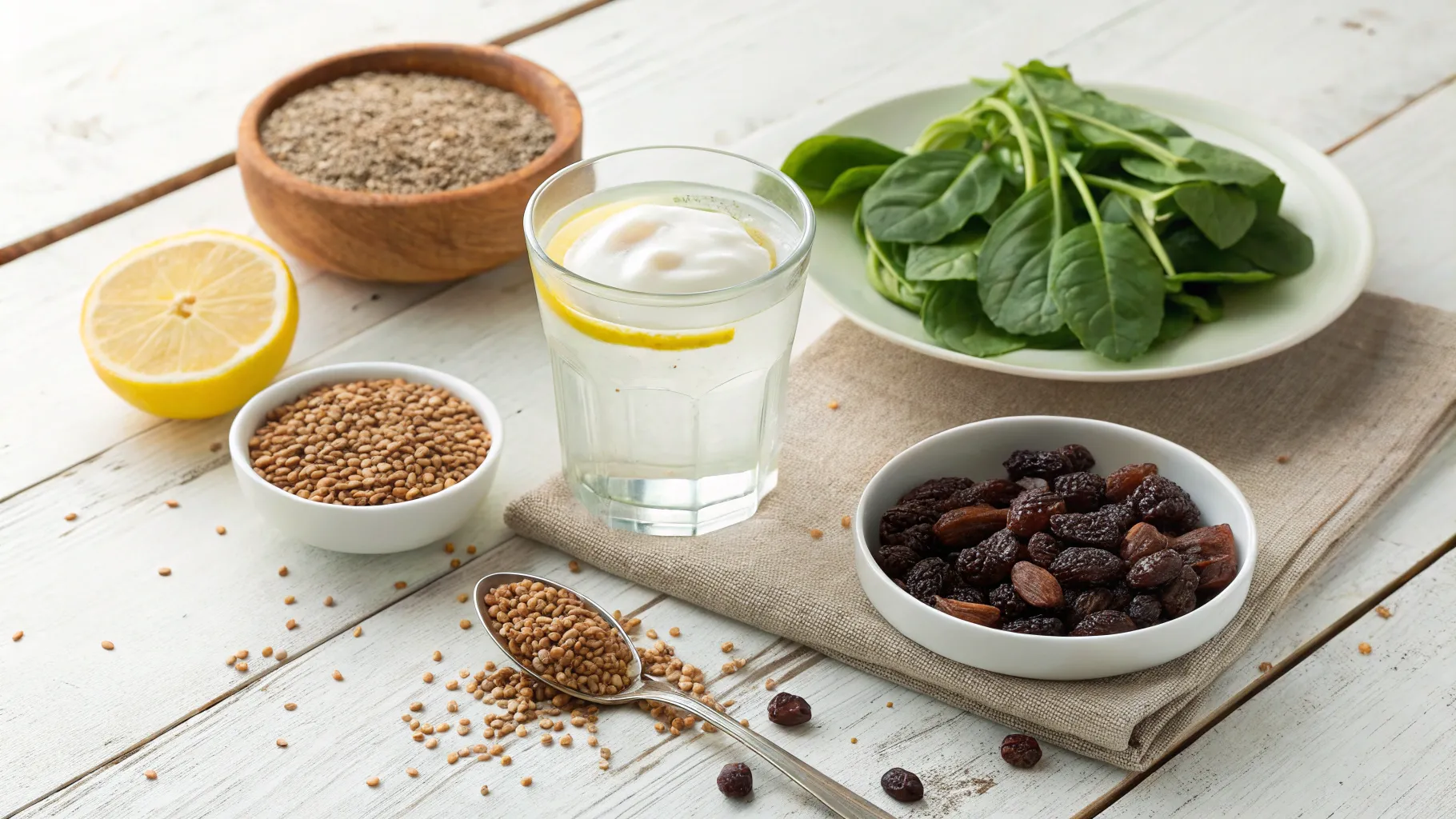
One of the simplest yet most crucial natural remedies for constipation is adequate water intake. Dehydration is a primary cause of hard, dry stools that are difficult to pass. When your body doesn't have enough water, it pulls fluid from the colon, resulting in constipation. Aim to drink at least 8-10 glasses of water throughout the day. For some individuals, warm liquids, such as herbal tea or warm water with lemon, can be particularly effective in stimulating the digestive system in the morning. Proper hydration ensures that fiber in your diet can do its job effectively, softening stool and promoting regular bowel movements.
Boosting Your Intake of Dietary Fiber
Dietary fiber is arguably the most well-known of all natural remedies for constipation. It adds bulk and softness to your stool, making it easier to pass. There are two types of fiber, both essential for digestive health. Soluble fiber, found in oats, nuts, beans, and fruits like apples, dissolves in water to form a gel-like substance that keeps stool soft. Insoluble fiber, found in whole grains and vegetables, does not dissolve and adds bulk to the stool, helping it move more quickly through the intestines. Incorporating a variety of fiber-rich foods is a key strategy.
Top Fiber-Rich Foods to Consider:
- Prunes and Plums: These are classic remedies, rich in both fiber and sorbitol, a natural sugar alcohol that has a laxative effect.
- Kiwifruit: This fruit contains actinidin, an enzyme that has been shown to improve bowel function and regularity.
- Flax and Chia Seeds: Packed with soluble fiber, these seeds can be easily added to smoothies, yogurt, or oatmeal to increase your fiber intake significantly.
- Legumes: Beans, lentils, and chickpeas are excellent sources of fiber that support a healthy gut microbiome and promote regular movements.
The Role of Probiotics and Gut Health
Your gut is home to trillions of bacteria that play a vital role in digestion. An imbalance in this gut flora can contribute to digestive issues, including constipation. Probiotics, the beneficial bacteria found in fermented foods, are powerful natural remedies for constipation because they help restore this balance. Foods like yogurt with live active cultures, kefir, kimchi, and sauerkraut introduce these healthy bacteria into your system. Regular consumption of probiotic-rich foods can help improve stool consistency and frequency, making it an essential part of a long-term digestive health strategy.
Herbal Allies for Gentle Stimulation
Certain herbs have been used for centuries as natural remedies for constipation due to their digestive-stimulating properties. While they can be very effective, they should be used with care and awareness.
Popular Herbal Options:
- Senna: A powerful natural laxative that stimulates the muscles in the colon. It is effective for short-term relief but should not be used for extended periods.
- Cascara Sagrada: Similar to senna, this herb also stimulates bowel contractions and is typically used for occasional constipation.
- Ginger and Peppermint: These herbs are known as carminatives, which means they help soothe the digestive tract, reduce bloating, and can gently encourage motility without the harsh effects of stimulant laxatives.
Actionable Lifestyle Changes for Lasting Regularity
Beyond diet, certain lifestyle adjustments are crucial natural remedies for constipation. Lasting relief often comes from a holistic approach that includes daily habits.
- Incorporate Regular Exercise: Physical activity is essential for stimulating the muscles in your intestines. Even a daily 20-30 minute walk can significantly improve bowel function and help prevent constipation.
- Establish a Bathroom Routine: Try to set aside a specific time each day, such as after a meal, to sit on the toilet for a few minutes. This can help train your body to have regular bowel movements.
- Manage Stress Levels: High stress can negatively impact your digestive system. Practices like meditation, yoga, or deep breathing exercises can help calm your nervous system and, in turn, improve gut function.
Frequently Asked Questions
How quickly do natural remedies for constipation work?
The speed at which natural remedies for constipation work varies. Increasing water and fiber intake may show results in a day or two, while probiotics can take a week or more to establish a healthier gut balance. Herbal remedies like senna often work within 6-12 hours.
Are there any side effects to using natural remedies for constipation?
Generally, dietary and lifestyle changes are very safe. However, rapidly increasing fiber intake can cause temporary bloating and gas. Stimulant herbal laxatives like senna can cause cramping and should not be used long-term, as they can lead to dependency.
When should I see a doctor about my constipation?
If your constipation is severe, lasts longer than three weeks, or is accompanied by symptoms like severe pain, blood in the stool, or unexplained weight loss, it is important to consult a healthcare professional. Chronic constipation can sometimes be a sign of an underlying medical condition.
References
- American Gastroenterological Association guidelines on constipation.
- Journal of Clinical Gastroenterology studies on fiber and gut motility.
- National Institute of Diabetes and Digestive and Kidney Diseases (NIDDK) fact sheets.
- Systematic reviews on the effects of probiotics on intestinal transit time.