Effective Natural Ways to Tackle Under-Eye Bags
Under-eye bags, characterized by swelling or puffiness beneath the eyes, are a common concern for many people. While often associated with a lack of sleep, they can be caused by a variety of factors including genetics, allergies, and the natural aging process. Fortunately, there are several effective and natural approaches you can take to minimize their appearance and promote healthier-looking skin around the eyes.
Understanding the Common Causes of Eye Bags
Before exploring remedies, it's helpful to understand what causes puffiness under the eyes. As we age, the tissues around our eyes, including some of the muscles supporting the eyelids, begin to weaken. Normal fat that helps support the eyes can then move into the lower eyelids, causing them to appear puffy. Fluid may also accumulate in the space below your eyes, adding to the swelling. This can be exacerbated by a number of factors.
Several elements can contribute to the development of under-eye bags. These include fluid retention, especially after waking up or after a salty meal, lack of sleep, allergies, and smoking. Heredity is another significant factor; having under-eye bags can be a physical trait that runs in your family. Understanding your personal triggers is the first step toward finding the most effective solution for you.
The Role of Hydration and Diet
What you consume has a direct impact on your skin's health, including the delicate area under your eyes. Dehydration can cause the skin to become thin and sunken, making bags more prominent. Aim to drink plenty of water throughout the day to keep your skin hydrated and help flush out toxins and excess fluids from your system. Proper hydration supports overall skin elasticity and health.
Your diet also plays a crucial role. Consuming too much salt can lead to fluid retention throughout your body, including under your eyes. Try to reduce your intake of processed foods, which are often high in sodium. Instead, focus on a diet rich in potassium, found in foods like bananas, beans, and leafy greens, as this mineral can help regulate fluid levels in your body. Vitamins C and K are also beneficial for skin health and can be found in citrus fruits, broccoli, and kale.
Cold Compresses for Quick Relief
One of the simplest and most well-known remedies for reducing eye puffiness is applying a cold compress. The cold temperature helps to constrict the blood vessels in the area, which can reduce swelling and inflammation. You don't need any fancy equipment for this; a simple, effective compress can be made at home.
There are several ways to apply a cold compress to your eyes. You can try one of the following methods:
- Use a clean washcloth soaked in cool water. Wring it out and apply it to your under-eye area for a few minutes.
- Place two metal spoons in the refrigerator for 10 to 15 minutes, then gently press the backs of the spoons against your under-eye area.
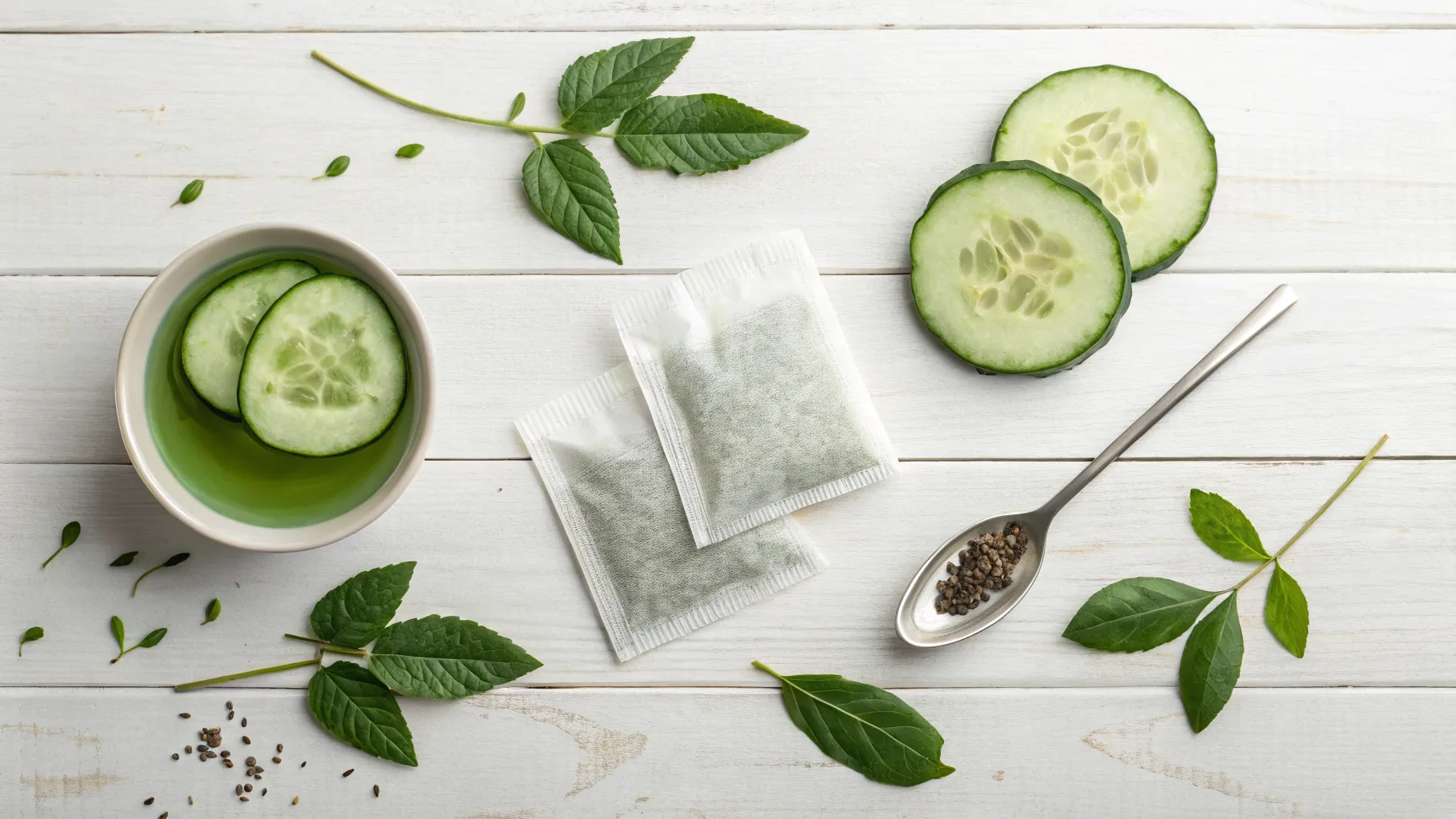
- Chilled slices of cucumber are a classic remedy. The high water content and natural anti-inflammatory properties of cucumbers can help soothe and hydrate the skin.
- Steeped and chilled tea bags, particularly green or black tea, can also work. The caffeine and antioxidants in the tea can help shrink blood vessels and reduce fluid retention.
Prioritizing Quality Sleep
While a single sleepless night can cause temporary puffiness, chronic sleep deprivation can lead to more persistent under-eye bags. When you don't get enough rest, your body can produce more cortisol, a stress hormone that can break down skin collagen and lead to fluid retention. Aim for seven to nine hours of quality sleep per night to allow your body to repair and rejuvenate.
Your sleeping position can also make a difference. Sleeping on your stomach or side may allow fluid to collect under your eyes due to gravity. Try sleeping on your back and consider adding an extra pillow to elevate your head slightly. This simple change can help prevent fluid from pooling in your lower eyelids overnight, reducing morning puffiness.
Gentle Massage and Facial Exercises
Stimulating circulation around the eyes can help move stagnant fluid away from the area. A gentle massage can be a very effective technique for this. Using your ring finger, as it has the lightest touch, gently tap around your eyes in a circular motion. Start from the inner corner under your eye and move outwards, then continue up and around the brow bone. This can help promote lymphatic drainage.
In addition to massage, certain facial exercises may help tone the muscles around the eyes. While this won't eliminate fat deposits, strengthening the underlying muscles can create a smoother appearance. One simple exercise is to squint without wrinkling your forehead, holding for a few seconds and repeating several times. Always be gentle and avoid pulling or stretching the delicate skin in this area.
Important Lifestyle Adjustments
Certain lifestyle habits can significantly contribute to under-eye bags. For instance, smoking can dry out and weaken the skin, accelerating the aging process. Similarly, excessive alcohol consumption can lead to dehydration, which makes eye bags more noticeable. Reducing or eliminating these habits can have a positive impact on your skin's overall health and appearance.
Managing allergies is also key. Seasonal allergies often cause inflammation and swelling around the eyes. If you suffer from allergies, consult with a healthcare professional about management options. Additionally, always make it a point to remove your makeup before going to bed. Sleeping with makeup on can irritate your eyes and contribute to inflammation and puffiness.