
Effective Non-Surgical Laser Treatment: Targeting Persistent Abdominal Fat
Fast Facts:
- Non-surgical treatments are growing in popularity globally.
- Demand for non-invasive aesthetic treatments for body contouring among adults is trending upwards.
Unveiling the Power of Non-Surgical Laser Treatment for Abdominal Fat
For many individuals, achieving a flat and toned abdomen remains a challenge, even with dedicated diet and exercise. This is where effective non-surgical laser treatment emerges as a revolutionary solution, specifically designed to address persistent abdominal fat. Unlike traditional invasive procedures, these advanced methods offer a way to sculpt the body without downtime or surgical risks, providing a highly sought-after alternative for those seeking significant improvements in their physique. Understanding the science and benefits behind these innovative procedures is key to appreciating their potential for transformative results.
Understanding Persistent Abdominal Fat and Its Challenges
The accumulation of fat in the abdominal region is a common concern that can be particularly stubborn to eliminate. This type of fat, often referred to as persistent abdominal fat, can resist even the most rigorous diet and exercise routines due to various factors including genetics, hormonal influences, and metabolic rates. It’s important to distinguish between subcutaneous fat, which lies just beneath the skin and is often targeted by aesthetic treatments, and visceral fat, which surrounds organs and is more closely linked to health risks. While diet and exercise are crucial for overall health and reducing visceral fat, subcutaneous abdominal fat can often require a more targeted approach, making non-surgical laser treatment an appealing option for many.
How Non-Surgical Laser Treatment Works: A Deep Dive
The science behind non-surgical laser treatment for fat reduction is both sophisticated and effective. These advanced systems utilize specific wavelengths of laser energy to precisely target and heat adipose tissue (fat cells) beneath the skin without causing damage to the epidermal layer or surrounding healthy tissues. This controlled heating process disrupts the structural integrity of the fat cells, causing them to undergo apoptosis, a natural cell death process. Over the following weeks and months, the body's lymphatic system naturally processes and eliminates these damaged fat cells, leading to a visible reduction in fat volume. Different technologies, such as diode lasers, offer varying approaches to delivering this energy, all aiming for safe and efficient laser fat reduction.
The Benefits of Choosing Non-Invasive Fat Removal
Opting for non-invasive fat removal treatments offers a multitude of advantages over surgical alternatives. Foremost among these is the complete avoidance of surgery, which means no incisions, no anesthesia risks, and no extensive recovery period. Patients can typically resume their daily activities immediately after a session, making these procedures ideal for those with busy lifestyles. Furthermore, non-surgical laser treatment provides a comfortable experience with minimal to no discomfort during the procedure itself, often described as a gentle warming sensation. The results achieved are natural-looking, as the body gradually eliminates the treated fat cells, leading to smoother, more contoured lines. These body contouring technologies are a safe and effective way to achieve noticeable improvements without the commitments and risks associated with surgery.
What to Expect During and After Your Laser Fat Reduction Session
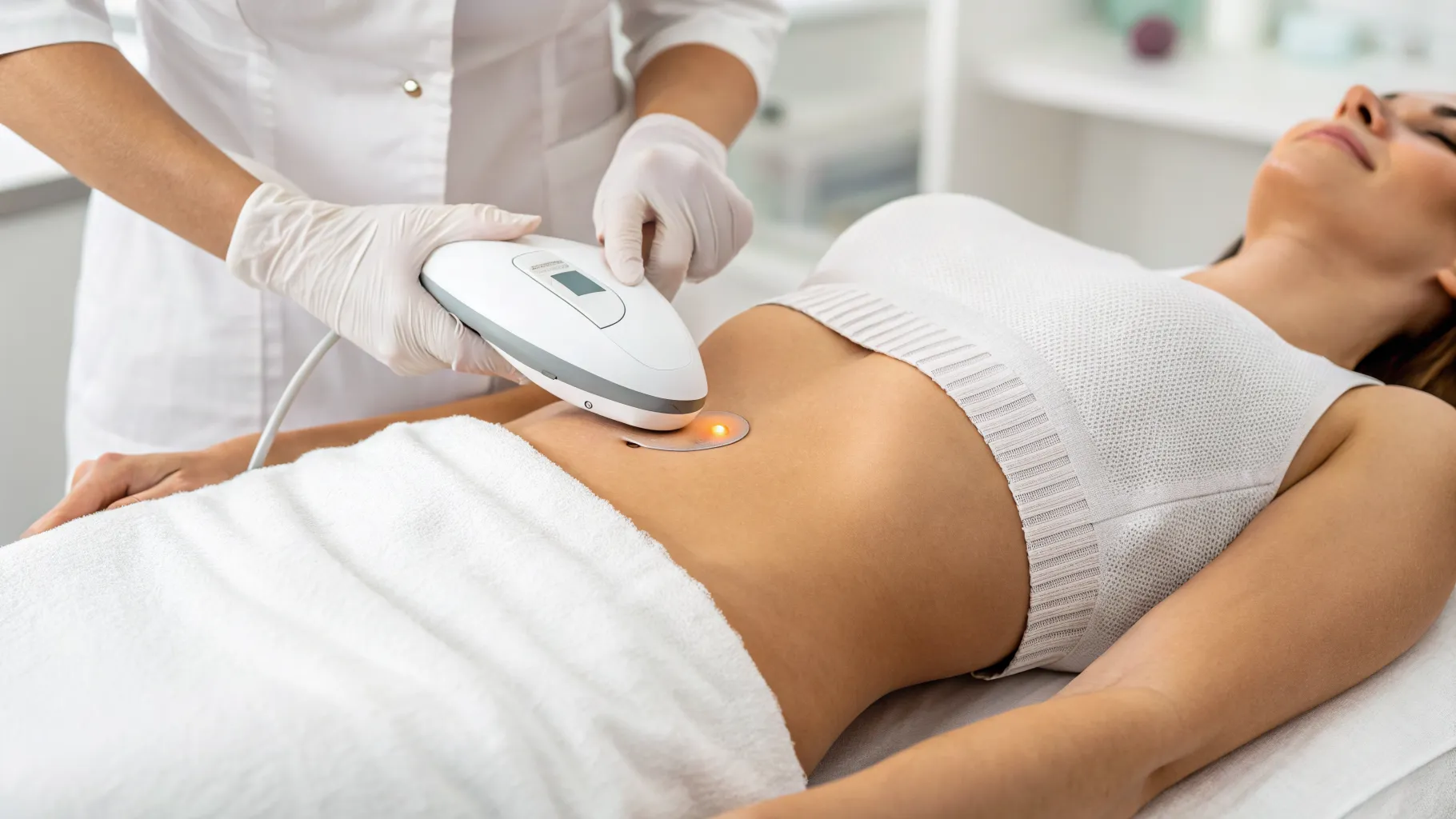
A typical laser fat reduction session is relatively quick, often lasting between 25 to 60 minutes, depending on the area being treated and the specific technology used. During the treatment, applicators are placed on the target area, delivering controlled laser energy. Most patients report a warm, sometimes tingling, sensation, which is usually well-tolerated. After the session, there is generally no downtime, and you can return to work or other activities immediately. You might experience some mild redness, tenderness, or bruising in the treated area, but these effects are temporary and resolve within a few days. The body requires time to naturally process and eliminate the disrupted fat cells, so optimal results typically become visible within 6 to 12 weeks, with a series of sessions often recommended for the best outcome.
Comparing Non-Surgical Options: Laser vs. Other Technologies
When considering body contouring technologies, it's important to understand the distinctions between various non-surgical methods. While cryolipolysis (fat freezing) utilizes controlled cooling to destroy fat cells and radiofrequency treatments use heat to tighten skin and reduce fat, non-surgical laser treatment offers a unique advantage through its specific wavelength targeting. Laser technology is particularly effective for broad, flat areas of persistent abdominal fat and can often achieve more uniform heating across the treatment zone. It's often praised for its ability to provide subtle skin tightening benefits alongside fat reduction, contributing to a smoother overall appearance. Each technology has its strengths, and a consultation with a qualified professional can help determine which method, or combination, is best suited for your individual goals and body type, emphasizing the tailored approach for effective non-invasive fat removal.
Maximizing Your Results: Actionable Advice for Lasting Fat Reduction
- Maintain a Healthy Lifestyle: After undergoing laser fat reduction, it is crucial to continue a balanced diet and regular exercise routine. While the treatment permanently removes fat cells, remaining fat cells can still expand if weight is gained, potentially diminishing your results. Consistency in healthy habits supports the longevity of your body contouring achievements.
- Stay Hydrated: Drinking plenty of water aids your body's lymphatic system in flushing out the disrupted fat cells. Proper hydration also contributes to overall skin health and metabolism, enhancing the natural elimination process post-treatment.
- Follow Post-Treatment Instructions: Adhere strictly to any specific aftercare instructions provided by your practitioner. This might include gentle massage of the treated area or avoiding certain activities temporarily to ensure optimal healing and cell elimination.
- Consider Booster Sessions: Depending on your desired outcome and the extent of persistent abdominal fat, your provider might recommend additional sessions. These can further refine results and help achieve a more significant reduction, allowing for a phased approach to your aesthetic goals.
- Manage Expectations: Understand that non-surgical laser treatment is designed for fat reduction, not significant weight loss. It is most effective for individuals who are close to their ideal weight but struggle with localized pockets of fat. Realistic expectations lead to greater satisfaction with the outcome.
Frequently Asked Questions
Is non-surgical laser treatment painful?
Most patients experience minimal discomfort during non-surgical laser treatment sessions. Sensations are typically described as a mild to moderate warming, tingling, or cramping in the treated area, but these are generally well-tolerated. Many devices incorporate cooling mechanisms to ensure comfort throughout the procedure.
How long until I see results from laser fat reduction?
Results from laser fat reduction are not immediate, as the body needs time to naturally process and eliminate the treated fat cells. Patients typically begin to see noticeable improvements within 6 to 12 weeks following their final session, with optimal results often appearing after multiple treatments and several months.
Can non-invasive fat removal treat all types of fat?
Non-invasive fat removal, particularly laser-based treatments, are primarily effective in targeting subcutaneous fat, which is the pinchable fat located just under the skin. They are not designed to reduce visceral fat, which is located around internal organs and requires broader lifestyle changes. Consult with a specialist to determine if your specific type of fat is suitable for treatment.
References
- Journal of Dermatologic Surgery
- American Society for Aesthetic Plastic Surgery
- Clinical, Cosmetic and Investigational Dermatology
- Lasers in Surgery and Medicine
- Dermatologic Clinics