Effective Remedies for Allergies: Your Comprehensive Guide to Relief
Facts:
- Allergies affect over 100 million people globally.
- Personalized immunotherapy is a growing trend for allergy sufferers.
Exploring Natural and At-Home Remedies for Allergies
Finding effective remedies for allergies can feel like a constant battle against sneezing, itching, and congestion. Whether you're dealing with seasonal pollen, dust mites, or pet dander, understanding the various options available is the first step towards lasting relief. This guide explores a wide spectrum of solutions, from simple home-based approaches to advanced medical treatments, providing you with the knowledge to choose the best remedies for allergies for your specific needs and lifestyle.
Over-the-Counter (OTC) Solutions for Quick Allergy Relief
For many individuals, the pharmacy aisle offers a wealth of accessible remedies for allergies. Over-the-counter options are designed for fast-acting relief from common symptoms. Antihistamines, available in pill or liquid form, work by blocking histamine, the chemical your body releases during an allergic reaction. They are effective for sneezing, itching, and runny nose. Decongestants, on the other hand, target nasal stuffiness by shrinking swollen nasal passages. Many products combine both ingredients for comprehensive symptom control. Saline nasal sprays are another excellent choice for flushing out allergens and moisturizing nasal passages, providing gentle relief without medication.
Antihistamines: Your First Line of Defense
Modern non-drowsy antihistamines like cetirizine, loratadine, and fexofenadine have become go-to remedies for allergies because they provide 24-hour relief without the sedative effects of older generations. They are highly effective at controlling symptoms like itchy eyes, hives, and a runny nose. It is crucial to start taking them before allergy season begins or before you expect to be exposed to a known allergen for maximum effectiveness. Consistent daily use during peak season can significantly improve your quality of life.
Decongestants and Nasal Sprays
When congestion is your primary complaint, decongestant sprays or pills can offer powerful, short-term relief. However, nasal decongestant sprays should not be used for more than a few consecutive days to avoid a rebound effect where congestion worsens. Steroid nasal sprays, such as fluticasone or budesonide, are also available over-the-counter and are considered one of the most effective remedies for allergies, especially for nasal symptoms, as they reduce inflammation in the nasal passages over time.
Lifestyle Adjustments: Proactive Remedies for Allergies
Managing your environment is one of the most powerful long-term remedies for allergies. By reducing your exposure to triggers, you can significantly decrease the frequency and severity of your symptoms. This involves a proactive approach to cleaning, air filtration, and personal habits. Simple changes can make a profound difference and reduce your reliance on medication.
- Improving Indoor Air Quality: Use high-efficiency particulate air (HEPA) filters in your vacuum cleaner and HVAC system to capture airborne allergens like pollen, pet dander, and dust mites. Keeping windows closed during high pollen seasons and using an air purifier in the bedroom can create a safe haven for allergy sufferers.
- Frequent Cleaning: Regularly wash bedding in hot water (at least 130°F or 54°C) to kill dust mites. Dust surfaces with a damp cloth and vacuum carpets frequently. Consider allergen-proof covers for mattresses and pillows to create a barrier against dust mites.
- Personal Hygiene Habits: After spending time outdoors, change your clothes and shower to rinse pollen from your skin and hair. This simple step prevents you from tracking allergens into your home and bed, which is a crucial part of any allergy management plan.
When to Consider Prescription Remedies for Allergies
If over-the-counter options and lifestyle changes aren't providing enough relief, it's time to consult a healthcare professional. A doctor can offer more potent, prescription-strength remedies for allergies tailored to your specific condition. These may include stronger antihistamines, more advanced steroid nasal sprays, or leukotriene modifiers like montelukast, which target a different chemical pathway involved in the allergic response. A proper diagnosis from an allergist can identify your specific triggers through skin or blood tests, allowing for a more targeted and effective treatment strategy. Don't hesitate to seek medical advice when your symptoms interfere with your daily life or sleep.
Advanced Therapies and Immunotherapy
For those with severe or persistent allergies, immunotherapy presents a long-term solution that can fundamentally change the body's response to allergens. Unlike medications that only treat symptoms, immunotherapy aims to build tolerance over time. This is one of the most advanced remedies for allergies available. There are two primary forms: allergy shots (subcutaneous immunotherapy), which involve regular injections with increasing doses of an allergen, and sublingual immunotherapy (SLIT), where a tablet or drop containing the allergen is placed under the tongue daily. Both methods require a commitment of several years but can lead to lasting relief and a significant reduction in the need for other allergy medications.
Frequently Asked Questions
What are the fastest-acting remedies for allergies?
The fastest-acting remedies for allergies are typically over-the-counter antihistamine pills and decongestant nasal sprays. Antihistamines can start working within an hour to relieve itching, sneezing, and a runny nose. Decongestant sprays provide almost immediate relief from nasal stuffiness but should only be used for a few days to avoid rebound congestion.
Can natural remedies for allergies completely replace medication?
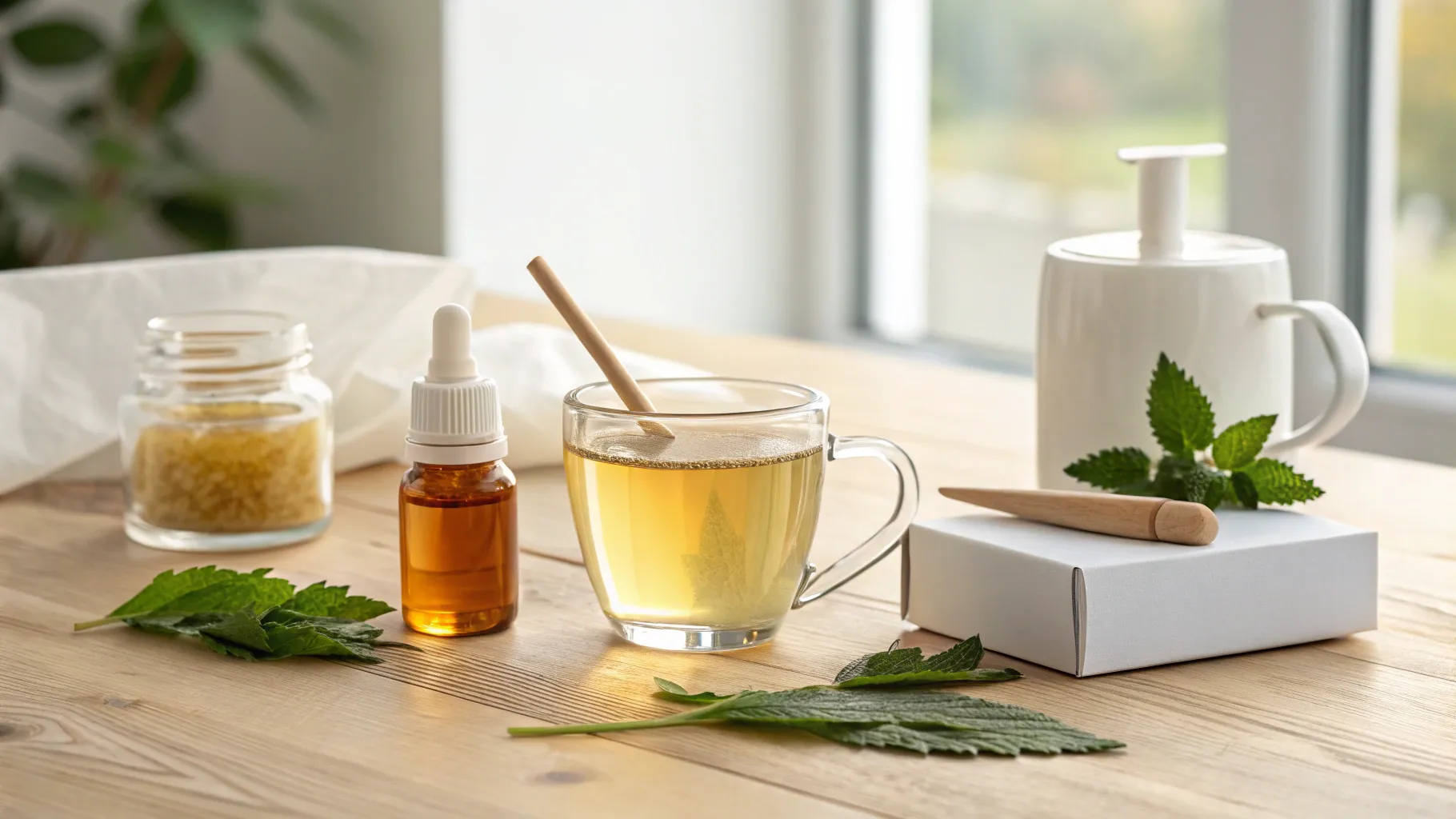
For some people with mild allergies, natural remedies like saline rinses, local honey, or herbal teas, combined with diligent lifestyle adjustments, may be sufficient to manage symptoms. However, for those with moderate to severe allergies, these methods are best used as complementary treatments alongside conventional medications. Always consult a doctor before replacing prescribed remedies for allergies.
How often should I use remedies for allergies to be effective?
The frequency depends on the type of remedy. Daily-use medications like non-drowsy antihistamines and steroid nasal sprays are most effective when taken consistently every day during allergy season, even on days you feel well. As-needed remedies like decongestants should only be used when symptoms are present and for short durations. Following the product's instructions or your doctor's advice is key for effectiveness and safety.
References
- American College of Allergy, Asthma & Immunology Guidelines
- World Allergy Organization (WAO) Reports
- Journal of Allergy and Clinical Immunology
- National Institute of Environmental Health Sciences Studies