Effective Remedies for Dandruff: A Comprehensive Guide to a Flake-Free Scalp
Facts:
- Dandruff affects up to 50% of the global adult population.
- Natural ingredients are a growing trend in scalp care remedies.
Unlocking the Secrets to a Healthy, Flake-Free Scalp
Dealing with persistent white flakes on your shoulders can be both frustrating and embarrassing. Fortunately, a wide array of effective remedies for dandruff are available, ranging from simple kitchen ingredients to scientifically formulated medicated treatments. Understanding the root cause of your dandruff is the crucial first step toward selecting the right approach to manage and ultimately eliminate this common scalp condition. This comprehensive guide will explore the most reliable remedies for dandruff, empowering you to regain control over your scalp health and restore your confidence.
Understanding the Primary Causes of Dandruff
Before diving into solutions, it's important to know what you're fighting. Dandruff is most commonly caused by a microbe called Malassezia globosa, which is naturally present on most adult scalps. It feeds on scalp oils, breaking them down into oleic acid. If you're sensitive to oleic acid, your body responds by increasing the rate of skin cell turnover, leading to the tell-tale flakes and itching. Other contributing factors include having an overly oily or dry scalp, sensitivity to hair care products (contact dermatitis), and other skin conditions like psoriasis or eczema. Identifying the cause helps in choosing the most suitable remedies for dandruff for your specific situation.
Proven Home Remedies for Dandruff
For those who prefer a natural approach, several home treatments have shown great promise in managing mild to moderate dandruff. These remedies for dandruff are easily accessible and can be incorporated into your regular hair care routine.
Tea Tree Oil Solutions
Renowned for its powerful antimicrobial and anti-inflammatory properties, tea tree oil is one of the most celebrated natural remedies for dandruff. It directly combats the Malassezia fungus. To use it, simply add a few drops to your regular shampoo and wash as usual. You can also mix it with a carrier oil like coconut or jojoba oil and massage it into your scalp, leaving it on for 30 minutes before rinsing.
Apple Cider Vinegar Rinse
Apple cider vinegar (ACV) can help balance the pH level of your scalp, making it more difficult for yeast to grow. Its acidity also helps in shedding dead skin cells. Create a diluted solution by mixing equal parts ACV and water. After shampooing, spritz or pour the mixture onto your scalp, let it sit for 15 minutes, and then rinse thoroughly.
Aloe Vera Gel Application
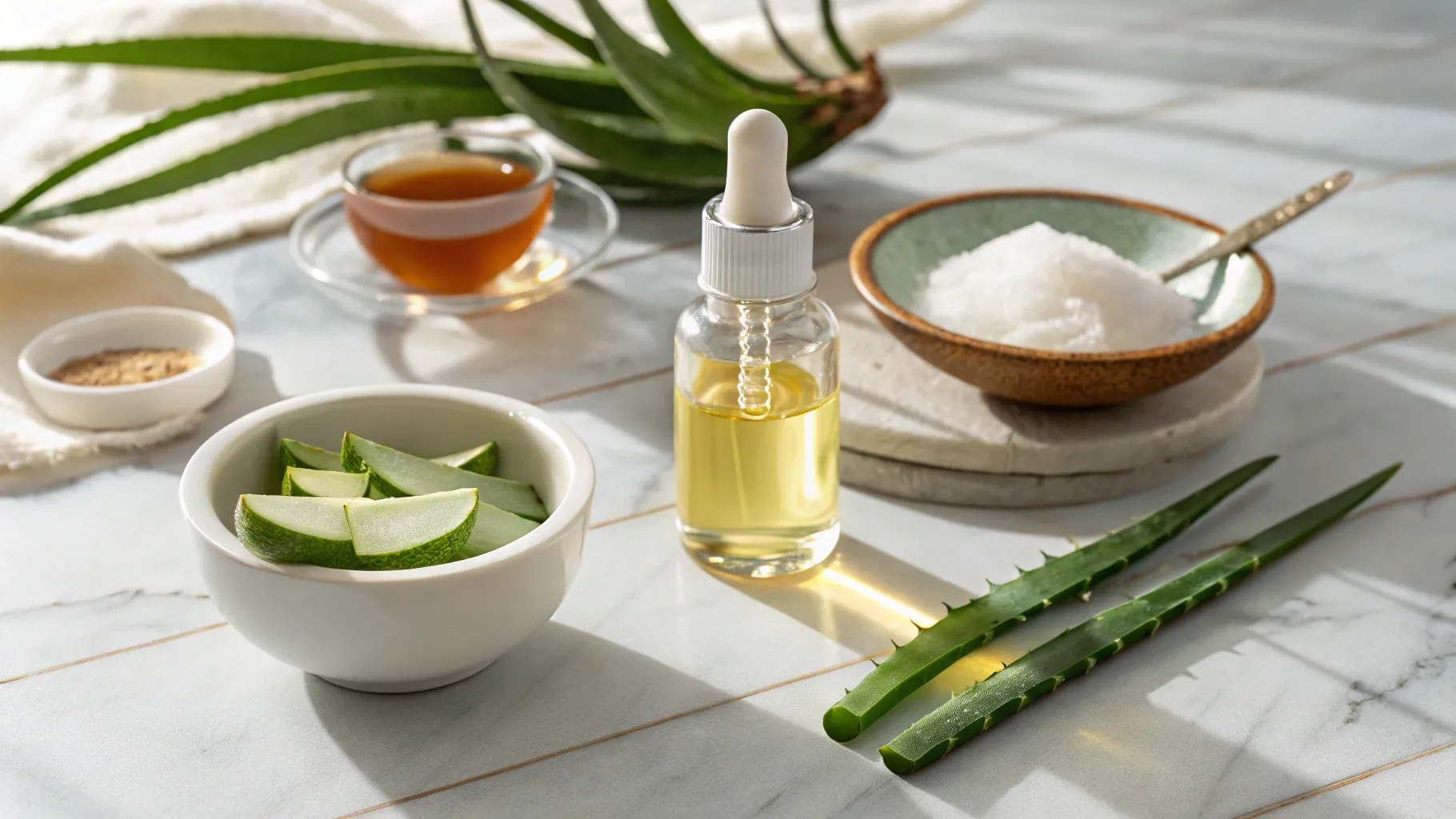
Aloe vera is known for its soothing and cooling properties, which can provide immediate relief from the itching associated with dandruff. Its antibacterial and antifungal qualities also make it one of the gentler remedies for dandruff. Apply pure aloe vera gel directly to your scalp before shampooing, leave it on for about 20-30 minutes, and then wash your hair.
Medicated Shampoos and Over-the-Counter Solutions
When home remedies aren't sufficient, over-the-counter (OTC) medicated shampoos are the next line of defense. These products contain active ingredients specifically designed to control dandruff. Look for shampoos with ketoconazole, selenium sulfide, zinc pyrithione, coal tar, or salicylic acid. These powerful remedies for dandruff work by slowing skin cell turnover or targeting the fungus directly. It's often beneficial to rotate between shampoos with different active ingredients if one seems to lose its effectiveness over time.
Lifestyle Changes to Prevent Dandruff Recurrence
Successfully treating dandruff often involves more than just topical applications. Certain lifestyle adjustments can support a healthy scalp and prevent flakes from returning. These long-term strategies are crucial components of any plan involving remedies for dandruff.
- Manage Stress: Chronic stress can impact your overall health, including your immune system, potentially triggering or worsening dandruff. Practice stress-reducing activities like yoga, meditation, or regular exercise.
- Adopt a Healthy Diet: A diet rich in zinc, B vitamins, and healthy fats is essential for skin and scalp health. Foods like nuts, avocados, and fatty fish can help regulate oil production and support a healthy skin barrier.
- Brush Your Hair Regularly: Brushing your hair not only distributes natural oils from your scalp down the hair shaft but also aids in the normal shedding of dead skin cells, preventing buildup.
Frequently Asked Questions
What is the fastest way to get rid of dandruff?
The fastest results are typically seen with medicated anti-dandruff shampoos containing ingredients like ketoconazole or selenium sulfide. Using one of these shampoos according to its directions can often reduce flakes and itching within one or two washes. Consistent use is key to keeping dandruff at bay.
Can certain foods cause dandruff?
While food doesn't directly cause dandruff, a poor diet lacking in essential nutrients can worsen the condition. Diets high in sugar and processed foods can promote inflammation, potentially leading to flare-ups. Focusing on a balanced diet is a supportive measure for other remedies for dandruff.
Are natural remedies for dandruff safe for color-treated hair?
Many natural remedies like aloe vera and coconut oil are generally safe. However, acidic treatments like apple cider vinegar or lemon juice could potentially strip some color over time. It's best to do a patch test or use these acidic remedies for dandruff sparingly on color-treated hair.
References
- American Academy of Dermatology Association
- International Journal of Cosmetic Science
- Journal of Medicinal Food