
Effective Remedies for Dandruff: Your Ultimate Guide to a Flake-Free Scalp
Facts:
- Dandruff affects nearly 50% of the global adult population.
- A major trend is combining natural and medicated remedies for dandruff.
Understanding the Root Causes Before Exploring Remedies for Dandruff
Before diving into the various treatments available, it's crucial to understand what causes dandruff. The condition, medically known as seborrheic dermatitis in its more severe form, is primarily linked to a fungus called Malassezia globosa, which lives on the scalp of most adults. For some individuals, the immune system overreacts to this fungus, leading to an accelerated cell turnover process. This causes dead skin cells to accumulate and shed as visible flakes. Other contributing factors can include dry skin, sensitivity to hair care products, and other skin conditions like psoriasis or eczema. Identifying the potential cause is the first step in finding the most effective remedies for dandruff that will work for your specific situation, whether it's an over-the-counter solution or a simple home treatment.
Powerful Natural and Home-Based Remedies for Dandruff
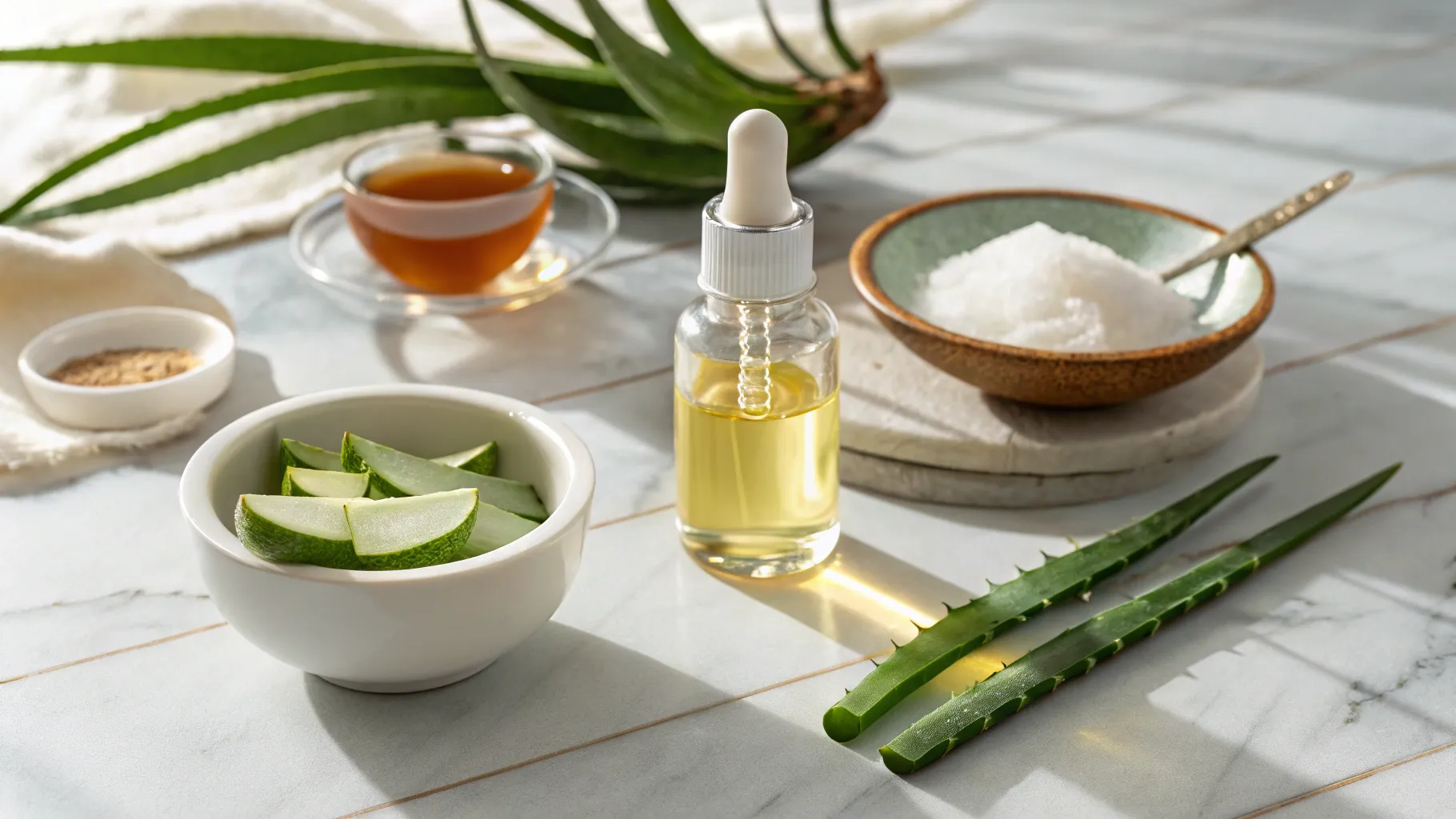
For those who prefer a more natural approach, several home-based remedies for dandruff have shown significant efficacy in managing mild to moderate flaking and itching. These options leverage the inherent properties of natural ingredients to restore scalp balance and inhibit fungal growth. They are often gentle and can be easily integrated into your existing hair care routine.
Harnessing the Power of Tea Tree Oil
Tea tree oil is renowned for its potent anti-fungal and anti-inflammatory properties, making it one of the most popular natural remedies for dandruff. It directly targets the Malassezia fungus responsible for causing flakes. To use it safely, you should always dilute it with a carrier oil like coconut or jojoba oil. A simple method is to add 5-10 drops of tea tree oil to your regular shampoo bottle and shake well before each use. Alternatively, you can mix a few drops with a tablespoon of carrier oil and massage it directly into your scalp, leaving it on for 30 minutes before washing it out.
Soothing Relief with Coconut Oil
Coconut oil serves as an excellent moisturizer for a dry scalp, which can often be mistaken for or exacerbate dandruff. Its antimicrobial properties also help combat the underlying fungal issue. For an effective treatment, gently warm a few tablespoons of organic coconut oil and massage it into your scalp. Cover your hair with a towel and leave it in for at least an hour, or even overnight, before shampooing as usual. This not only helps with dandruff but also leaves your hair feeling soft and conditioned. Consistent use is key to seeing results with these natural remedies for dandruff.
Balancing Scalp pH with Apple Cider Vinegar
Apple Cider Vinegar (ACV) is another effective home remedy. It is believed to alter the pH of your scalp, making it more difficult for yeast to grow. Furthermore, its clarifying properties help remove product buildup and unclog hair follicles. To create an ACV rinse, mix equal parts of ACV and water. After shampooing and conditioning, slowly pour the mixture over your hair, working it into your scalp. Let it sit for a few minutes before rinsing it out thoroughly. This is a simple yet effective addition to your arsenal of remedies for dandruff.
Effective Medicated Over-the-Counter (OTC) Shampoos
When natural remedies aren't enough, or for more persistent cases of dandruff, over-the-counter medicated shampoos are the go-to solution. These products contain active ingredients specifically designed to control the symptoms and causes of dandruff. It's often beneficial to rotate between different types of medicated shampoos to prevent the scalp from building a tolerance to one specific ingredient.
Shampoos with Pyrithione Zinc
Pyrithione zinc is a common ingredient found in many anti-dandruff shampoos. It has antibacterial and antifungal properties that effectively control the Malassezia fungus. These shampoos are generally gentle enough for daily use and are a great starting point for anyone seeking reliable remedies for dandruff.
Formulas Containing Selenium Sulfide
Selenium sulfide is another powerful antifungal agent that works by slowing the turnover of skin cells on the scalp. Shampoos with this ingredient can be very effective but may discolor blonde, gray, or chemically treated hair if not rinsed out properly. It's important to follow the product's instructions carefully for the best results.
The Strength of Ketoconazole
For tougher cases of dandruff, ketoconazole shampoos are an excellent choice. Ketoconazole is a broad-spectrum antifungal medication that is highly effective against the specific type of fungus that causes dandruff. While some lower-strength versions are available over-the-counter, a doctor might prescribe a higher concentration for severe conditions. This is often considered one of the most potent remedies for dandruff available without a prescription.
Actionable Lifestyle Tips to Complement Your Dandruff Treatment
Successfully managing dandruff often involves more than just topical treatments. Certain lifestyle adjustments can significantly improve your scalp health and enhance the effectiveness of your chosen remedies for dandruff. Integrating these habits can help prevent future flare-ups and maintain a healthy, flake-free scalp.
- Manage Your Stress Levels: High stress levels can weaken your immune system and trigger or worsen dandruff flare-ups. Incorporate stress-reducing activities like yoga, meditation, or regular exercise into your routine.
- Adopt a Scalp-Healthy Diet: Your diet plays a role in skin health. Ensure you are getting enough zinc, B vitamins, and healthy fats. Foods rich in these nutrients, such as nuts, seeds, and fatty fish, can help support a healthy scalp.
- Establish a Consistent Washing Routine: Washing your hair regularly with a gentle or medicated shampoo helps to control oil and skin cell buildup. The frequency depends on your scalp type, but avoiding long periods between washes is crucial for dandruff management.
- Avoid Harsh Hair Products: Certain styling products can build up on your scalp and cause irritation or oiliness, which can worsen dandruff. Opt for gentle, non-irritating products and be sure to wash them out thoroughly.
When to Consult a Dermatologist
While many cases of dandruff can be managed with OTC products and home remedies, there are times when professional medical advice is necessary. If you've tried various remedies for dandruff for several weeks without seeing any improvement, it's time to see a doctor or dermatologist. You should also seek medical advice if your scalp becomes very red, inflamed, or intensely itchy, or if the condition spreads to other parts of your body. A dermatologist can accurately diagnose the issue—confirming it's dandruff and not another condition like psoriasis—and prescribe stronger treatments like prescription-strength shampoos, lotions, or oral medications to get the condition under control.
Frequently Asked Questions
How quickly do remedies for dandruff start to work?
The time it takes for remedies for dandruff to show results can vary. Medicated shampoos often provide relief from itching and a reduction in flakes within a few uses or over one to two weeks. Natural remedies may take longer, often requiring consistent use for several weeks before significant improvement is noticeable.
Can my diet really impact dandruff?
Yes, diet can influence scalp health. Deficiencies in certain nutrients like zinc and B vitamins have been linked to seborrheic dermatitis. Additionally, some evidence suggests that diets high in sugar and processed foods may promote inflammation and yeast growth, potentially worsening dandruff for some individuals.
Are natural remedies for dandruff as effective as medicated shampoos?
For mild cases of dandruff, natural remedies like tea tree oil or coconut oil can be quite effective due to their antifungal and moisturizing properties. However, for moderate to severe dandruff, medicated shampoos containing active ingredients like ketoconazole or selenium sulfide are generally more potent and reliable.
References
- Journal of Clinical and Investigative Dermatology
- International Journal of Trichology
- American Academy of Dermatology Association
- National Center for Biotechnology Information Studies