
Comprehensive Guide to Effective Remedies for Endometriosis Symptoms
Facts:
- Endometriosis affects approximately 1 in 10 women worldwide.
- A rising trend in integrative care for managing endometriosis symptoms.
Understanding and Managing Endometriosis Pain: A Practical Guide
Endometriosis is a chronic condition that can cause significant pain and discomfort, deeply impacting one's quality of life. Finding effective remedies for endometriosis symptoms is a critical journey for millions. This guide explores a comprehensive range of options, from conventional medical treatments to holistic and lifestyle adjustments. Understanding these approaches empowers individuals to work with their healthcare providers to create a personalized plan that addresses the multifaceted nature of this condition and offers the best possible relief from the persistent challenges associated with it. The goal is not just to manage pain, but to reclaim a sense of control and well-being through targeted remedies for endometriosis symptoms.
Medical and Pharmaceutical Remedies for Endometriosis Symptoms
For many, the first line of defense involves medical intervention. These professionally guided remedies for endometriosis symptoms are designed to manage pain and slow the progression of the disease. Nonsteroidal anti-inflammatory drugs (NSAIDs) like ibuprofen or naproxen are often recommended to alleviate painful menstrual cramps. For more severe pain, stronger prescription medications may be necessary. Hormonal therapies are another cornerstone of treatment. These can include birth control pills, patches, or rings, which help regulate hormones, reduce menstrual flow, and can slow the growth of endometrial tissue. Other hormonal options, such as GnRH agonists, create a temporary 'medical menopause' to stop tissue growth and provide substantial relief. It's crucial to discuss the potential benefits and side effects of these remedies for endometriosis symptoms with a healthcare professional to determine the most suitable course of action for your specific situation.
Natural and Lifestyle Remedies for Endometriosis Symptoms
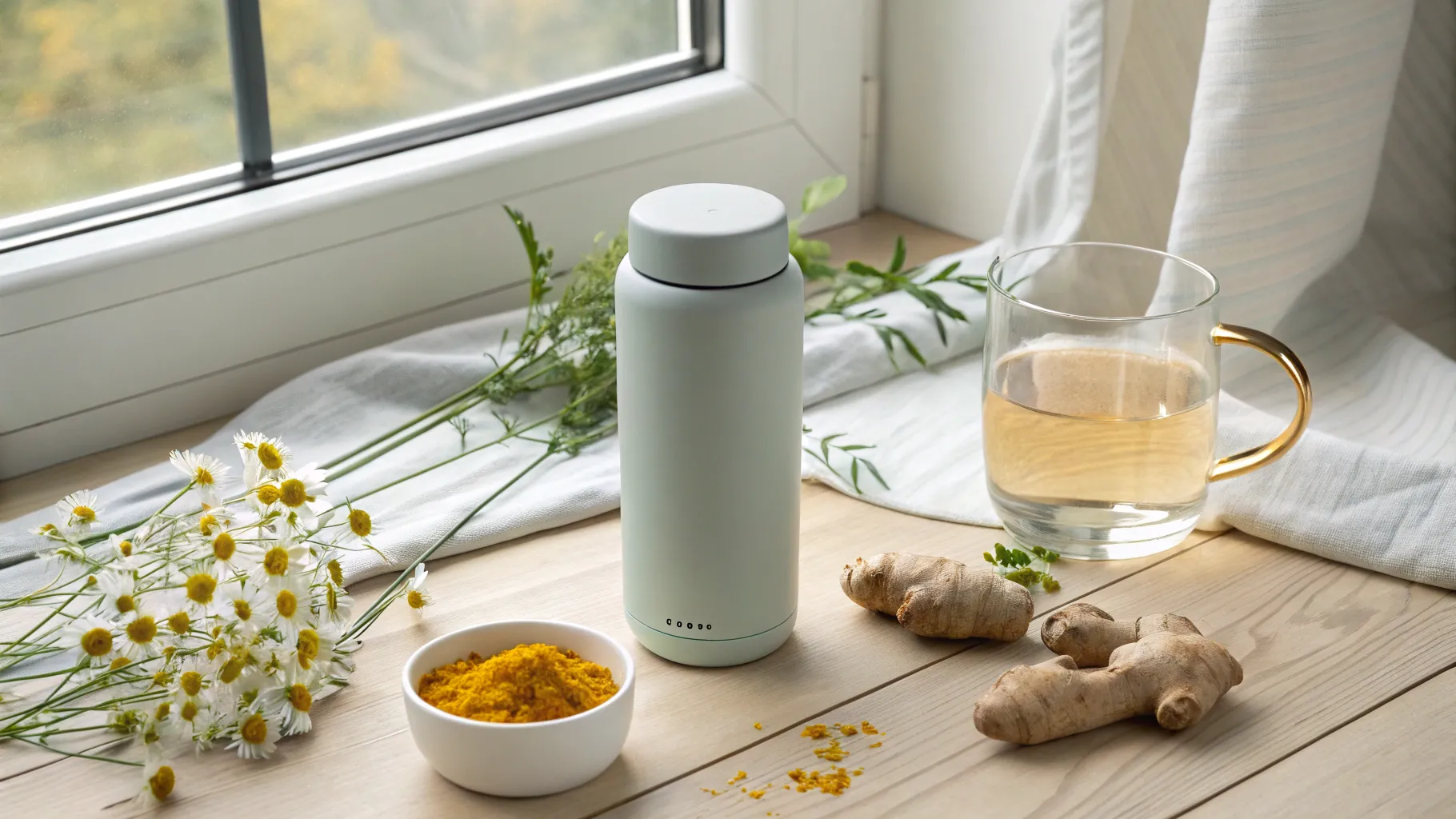
Alongside medical treatments, many find significant relief by incorporating natural and lifestyle changes. These complementary remedies for endometriosis symptoms focus on reducing inflammation and managing pain through holistic means. Heat therapy, using a warm bath or a heating pad placed on the abdomen, is a simple yet effective way to relax pelvic muscles and ease cramping. Gentle, regular exercise such as walking, swimming, or yoga can also be incredibly beneficial. Exercise releases endorphins, the body's natural painkillers, and can help reduce stress levels, which are often linked to increased pain perception. Managing stress through techniques like meditation, deep-breathing exercises, or mindfulness can also play a vital role in a comprehensive management plan. These lifestyle-focused remedies for endometriosis symptoms help support the body's overall health and resilience.
The Role of Diet in Managing Endometriosis
What you eat can have a profound impact on inflammation and hormone levels, making dietary changes powerful remedies for endometriosis symptoms. An anti-inflammatory diet is often recommended. This involves increasing your intake of foods rich in omega-3 fatty acids, such as salmon, walnuts, and flaxseeds, which are known to fight inflammation. Loading up on fiber from fruits, vegetables, and whole grains can help the body excrete excess estrogen. It's also beneficial to incorporate plenty of antioxidant-rich foods like berries, dark leafy greens, and beets. Conversely, it may be helpful to limit or avoid foods that can promote inflammation, such as red meat, processed foods, refined sugars, caffeine, and alcohol. Tailoring your diet is a proactive way to support your body and can be one of the most effective long-term remedies for endometriosis symptoms.
Complementary Therapies for Pain Relief
Exploring complementary therapies can add another layer of support to your pain management strategy. These treatments are often used in conjunction with conventional medicine to address symptoms from a different angle. Acupuncture, an ancient practice from Traditional Chinese Medicine, involves inserting thin needles into specific points on the body. Many studies and anecdotal reports suggest it can be highly effective in reducing chronic pelvic pain associated with endometriosis. Pelvic floor physical therapy is another crucial resource. A specialized therapist can teach you exercises to relax and strengthen pelvic muscles, which can become tight and painful due to chronic inflammation. Other options like massage therapy and chiropractic care can also help alleviate associated back and body pain, providing a more holistic approach to finding effective remedies for endometriosis symptoms.
Actionable Steps for Your Endometriosis Management Plan
Creating a proactive and personalized plan is key to living well with endometriosis. Here are actionable steps you can take to implement remedies for endometriosis symptoms into your daily life:
- Track Your Symptoms: Keep a detailed journal of your pain levels, cycle, diet, and activities. This data is invaluable for you and your doctor to identify triggers and see which remedies are working best.
- Build a Healthcare Team: Your team may include a gynecologist specializing in endometriosis, a pelvic floor physical therapist, a nutritionist, and a mental health professional. A multidisciplinary approach often yields the best results.
- Prioritize Stress Reduction: Actively schedule time for stress-reducing activities. This could be 10 minutes of meditation, a walk in nature, or engaging in a hobby you love. Reducing cortisol levels can have a direct impact on pain.
- Optimize Your Sleep: Chronic pain can disrupt sleep, and poor sleep can worsen pain. Establish a relaxing bedtime routine, ensure your bedroom is dark and cool, and avoid screens before bed to improve sleep quality.
Frequently Asked Questions
What are the most common first-line remedies for endometriosis symptoms?
The most common initial treatments typically include over-the-counter nonsteroidal anti-inflammatory drugs (NSAIDs) like ibuprofen to manage pain and hormonal contraceptives to help control the growth of endometrial tissue and reduce heavy bleeding. These remedies for endometriosis symptoms are often effective for mild to moderate cases.
Can changing my diet really work as one of the remedies for endometriosis symptoms?
Yes, for many individuals, dietary changes can significantly impact symptoms. Adopting an anti-inflammatory diet rich in omega-3s, fiber, and antioxidants while reducing inflammatory foods like red meat and processed sugar can help lower systemic inflammation and provide noticeable relief. It is considered a powerful complementary approach among the various remedies for endometriosis symptoms.
Are natural remedies for endometriosis symptoms safe to try?
Many natural remedies like heat therapy, gentle exercise, and dietary adjustments are generally safe and beneficial. However, when considering supplements or herbal remedies, it is crucial to consult with your healthcare provider first to avoid potential interactions with medications or other health conditions. A doctor's guidance ensures these natural remedies for endometriosis symptoms are used safely and effectively.
References
- The American College of Obstetricians and Gynecologists (ACOG) - Endometriosis Guidelines
- World Health Organization (WHO) - Endometriosis Fact Sheet
- Journal of Endometriosis and Pelvic Pain Disorders - Research on Dietary Interventions
- National Institutes of Health (NIH) - Studies on Complementary and Integrative Health for Endometriosis