
Effective Remedies for Endometriosis Symptoms: A Complete Guide
Facts:
- Endometriosis affects approximately 190 million women globally.
- Trending: Personalized, multi-modal treatment plans for remedies for endometriosis symptoms.
Navigating Your Options: A Comprehensive Guide to Endometriosis Symptom Relief
Finding effective and sustainable relief from the chronic pain and discomfort of endometriosis can be a challenging journey. The condition, characterized by tissue similar to the lining inside the uterus growing outside of it, presents a wide array of symptoms that vary greatly from person to person. Fortunately, there is a growing understanding of this condition, leading to more diverse and effective remedies for endometriosis symptoms. This guide provides an in-depth exploration of the various strategies available, from conventional medical treatments to complementary lifestyle adjustments, helping you discover the best combination of remedies for endometriosis symptoms to improve your quality of life.
Medical and Pharmaceutical Remedies for Endometriosis Symptoms
For many, the first line of defense involves medical intervention aimed at managing pain and slowing the progression of endometrial growths. These treatments are often highly effective and can provide substantial relief. Pain relievers, such as nonsteroidal anti-inflammatory drugs (NSAIDs), are commonly recommended to manage the cramping and pelvic pain associated with endometriosis. For more severe pain, a doctor might prescribe stronger medications. Another cornerstone of medical remedies for endometriosis symptoms is hormonal therapy. By suppressing or regulating the menstrual cycle, treatments like hormonal contraceptives (birth control pills, patches, rings), GnRH agonists, and progestin therapy can reduce or eliminate the pain. These therapies work by preventing the growth of new endometrial implants and reducing inflammation, making them powerful remedies for endometriosis symptoms. In more advanced cases, surgical options like laparoscopy to remove the implants or a hysterectomy may be considered as definitive remedies for endometriosis symptoms.
Natural and Herbal Approaches for Symptom Management
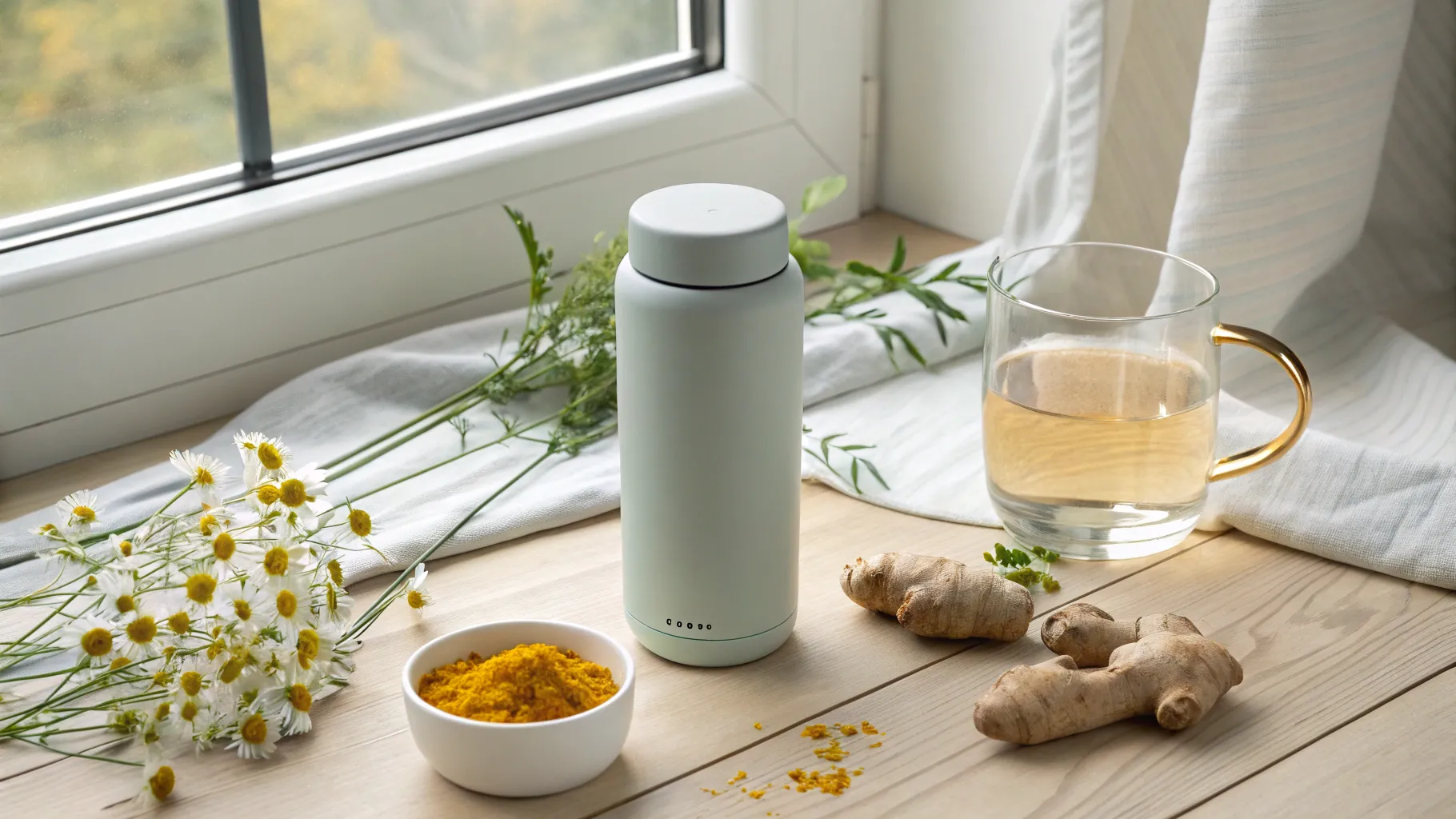
Complementary and alternative medicine offers a variety of natural remedies for endometriosis symptoms that can be used alongside conventional treatments. These approaches focus on reducing inflammation, balancing hormones, and managing pain holistically. Herbal supplements like curcumin (from turmeric), ginger, and chamomile have potent anti-inflammatory properties that can help alleviate pelvic pain and cramping. Similarly, castor oil packs applied to the lower abdomen are a time-honored remedy believed to improve circulation and reduce inflammation and adhesions. Acupuncture is another powerful modality, with studies showing it can significantly decrease endometriosis-related pain by stimulating specific points on the body to release endorphins and regulate the nervous system. It's crucial to consult with a qualified healthcare provider or a practitioner of traditional medicine before starting any new herbal supplement, as they can interact with other medications. These natural options are becoming increasingly popular as supportive remedies for endometriosis symptoms.
The Critical Role of Diet and Nutrition in Easing Symptoms
What you eat can have a profound impact on inflammation and hormonal balance, making dietary modification one of the most accessible remedies for endometriosis symptoms. An anti-inflammatory diet is often recommended, which involves focusing on whole, unprocessed foods. This means increasing your intake of fatty fish rich in omega-3s (like salmon and mackerel), leafy green vegetables, fruits, nuts, and seeds. Conversely, it is often beneficial to reduce or eliminate foods that can promote inflammation, such as red meat, processed foods, refined sugars, gluten, and dairy. Many people find significant relief by identifying and eliminating specific food sensitivities. Keeping a food diary can help you track how certain foods affect your symptoms. A well-planned diet not only helps manage pain but also supports overall health, making it a foundational component of effective, long-term remedies for endometriosis symptoms.
Lifestyle Adjustments and Physical Therapies That Help
Beyond diet and medicine, certain lifestyle changes and physical therapies can offer remarkable benefits. Gentle, regular exercise such as walking, swimming, or yoga can help reduce pain by releasing pain-relieving endorphins and improving blood flow. It's important to listen to your body and avoid high-impact exercises that could exacerbate pain during a flare-up. Pelvic floor physical therapy is a specialized treatment that has proven to be one of the most effective remedies for endometriosis symptoms, particularly for pelvic pain and painful intercourse. A trained therapist can teach you exercises to relax and strengthen pelvic floor muscles, reducing tension and alleviating pain. Stress management is also key; chronic stress can worsen inflammation and pain perception. Incorporating stress-reducing activities like meditation, deep breathing exercises, or spending time in nature are essential complementary remedies for endometriosis symptoms.
Mind-Body Techniques to Cope with Chronic Pain
Living with chronic pain can take a toll on mental and emotional well-being. Mind-body techniques are powerful tools that address the psychological impact of the condition. Cognitive Behavioral Therapy (CBT) can help you reframe negative thought patterns related to pain, providing you with coping strategies to manage your emotional response. Mindfulness and meditation practices train your brain to focus on the present moment, which can reduce the perceived intensity of pain. These practices are not about ignoring the pain but rather changing your relationship with it. For many, these psychological remedies for endometriosis symptoms are just as important as the physical ones, providing a sense of control and improving overall resilience in the face of a chronic condition.
Building Your Personal Endometriosis Care Plan
Creating a personalized care plan is the most effective way to manage endometriosis. Since symptoms vary so widely, what works for one person may not work for another. It's about finding the right combination of remedies for endometriosis symptoms that address your specific needs. Here are some actionable steps to build your plan:
- Track Your Symptoms: Keep a detailed journal of your pain levels, diet, activities, and menstrual cycle. This data is invaluable for identifying triggers and patterns, helping you and your doctor choose the most effective remedies for endometriosis symptoms.
- Assemble a Healthcare Team: Work with a gynecologist who specializes in endometriosis, and consider adding a nutritionist, physical therapist, and mental health professional to your team for a holistic approach.
- Experiment and Adjust: Be open to trying different therapies. Start with one or two new strategies at a time and give them several weeks to see if they make a difference before adding something new.
- Advocate for Yourself: Be an active participant in your healthcare. Ask questions, research your options, and communicate openly with your doctors about what is and isn't working. A proactive approach is key to finding successful remedies for endometriosis symptoms.
Frequently Asked Questions
What are the most effective first-line remedies for endometriosis symptoms?
The most common first-line remedies are typically nonsteroidal anti-inflammatory drugs (NSAIDs) for pain management and hormonal contraceptives to control the growth of endometrial tissue. The best approach is always personalized and should be discussed with a healthcare provider.
Can diet alone be considered one of the primary remedies for endometriosis symptoms?
While an anti-inflammatory diet can significantly reduce symptoms for many individuals, it is usually considered a complementary therapy. It is most effective when used in combination with other medical or natural treatments as part of a comprehensive management plan.
How long does it take for remedies for endometriosis symptoms to start working?
The timeframe for relief varies greatly depending on the treatment. Pain medication can offer short-term relief within hours. Hormonal therapies may take two to three months to show their full effect. Lifestyle and dietary changes often require consistent application over several months to notice significant improvements.
References
- The World Health Organization - Endometriosis Facts
- Journal of Obstetrics and Gynaecology - Dietary management of endometriosis
- Pain Research and Management - The Role of Physical Therapy in Endometriosis
- Human Reproduction Update - Hormonal therapies for endometriosis