Effective Remedies for Endometriosis Symptoms: Your Complete Guide to Pain Relief
Facts:
- Endometriosis affects roughly 1 in 10 women globally.
- A rising trend is using integrated care for endometriosis symptoms.
Understanding and Managing Endometriosis Pain: A Comprehensive Guide
Living with endometriosis can be a daily challenge, marked by chronic pain, fatigue, and other debilitating symptoms. Finding effective remedies for endometriosis symptoms is not just about managing pain; it's about reclaiming your quality of life. This guide provides a deep dive into a wide array of options, from medical treatments to holistic and natural remedies for endometriosis, offering a roadmap to better symptom management. A successful approach often involves a combination of strategies tailored to your unique body and experience, focusing on both immediate endometriosis pain relief and long-term well-being.
Medical and Pharmaceutical Remedies for Endometriosis Symptoms
For many, the first line of defense involves medical intervention. These treatments are often highly effective for managing endometriosis symptoms. Nonsteroidal anti-inflammatory drugs (NSAIDs) like ibuprofen can provide significant endometriosis pain relief by reducing prostaglandin levels, which are linked to menstrual cramps. Hormonal therapies, such as combination birth control pills, progestin-only therapies, and GnRH agonists, work by preventing the growth of endometrial tissue. They can lighten periods or stop them altogether, which is a cornerstone of many treatment plans. It's crucial to have a detailed discussion with your healthcare provider to understand the benefits and potential side effects of each option, as they can vary greatly from person to person. These medical remedies for endometriosis symptoms are backed by extensive research and can be life-changing for those with moderate to severe pain.
Exploring Natural Remedies for Endometriosis
Alongside medical treatments, many find relief by incorporating natural approaches. These methods focus on reducing inflammation, balancing hormones, and supporting overall health. Exploring these natural remedies for endometriosis can empower you to take an active role in your health journey.
Dietary Changes for Inflammation Control
An anti-inflammatory diet is one of the most powerful tools for managing endometriosis symptoms. Inflammation is a key driver of endometriosis pain. Focusing on a diet rich in omega-3 fatty acids (found in salmon and walnuts), antioxidants (from berries and leafy greens), and fiber can help reduce systemic inflammation. Conversely, minimizing or eliminating inflammatory foods like red meat, processed foods, gluten, and excessive sugar can make a noticeable difference. This dietary shift is not a quick fix but a long-term strategy that supports your body's ability to manage the condition and is a fundamental aspect of finding sustainable remedies for endometriosis symptoms.
Herbal Supplements and Teas
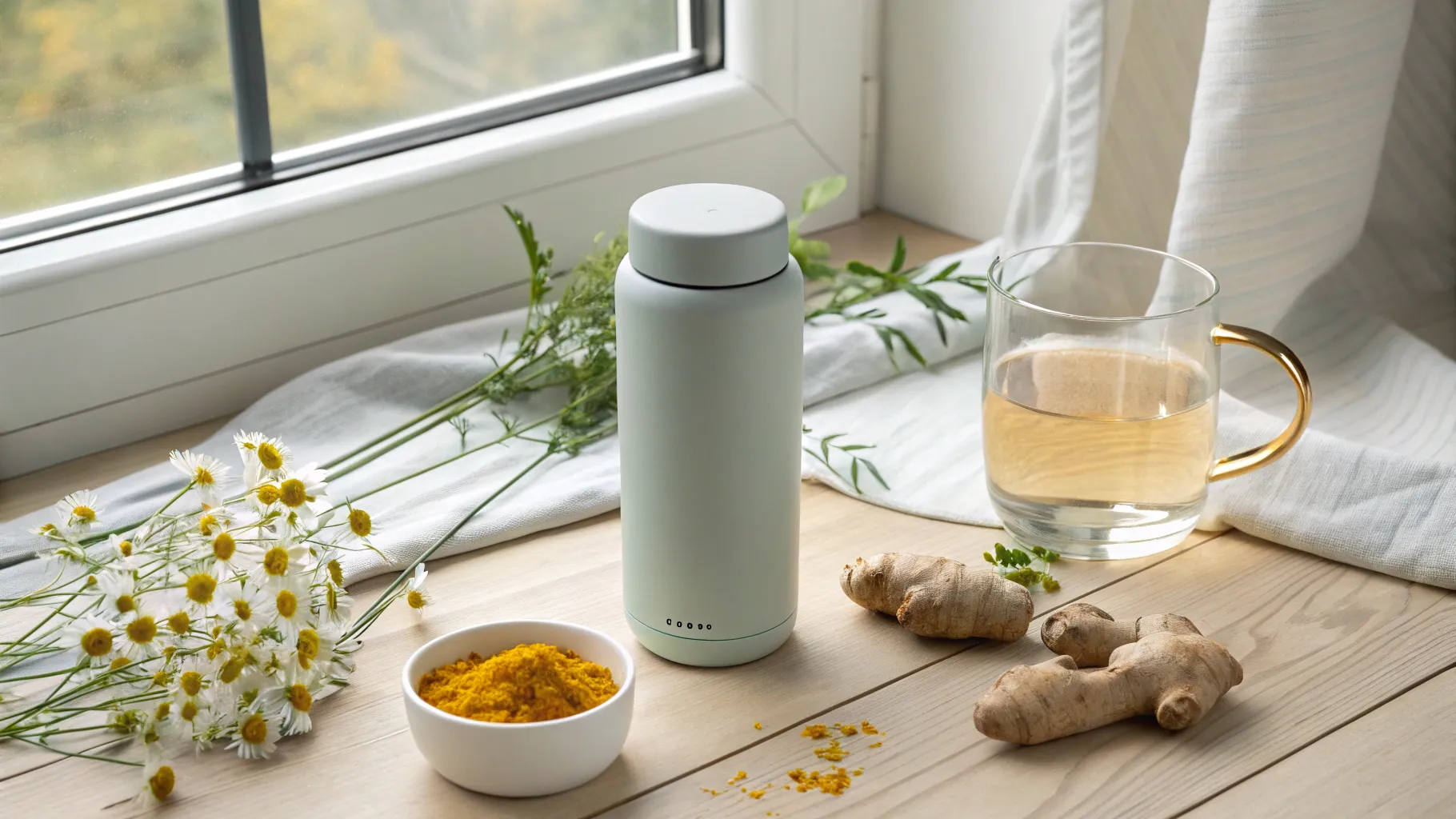
Certain herbs have been used for centuries to manage pain and inflammation. Turmeric, with its active compound curcumin, is a potent anti-inflammatory. Ginger can help with nausea and pain, while chamomile and peppermint tea can soothe the digestive system and ease cramping. These can be powerful components of your toolkit for natural remedies for endometriosis. However, it is essential to consult with a doctor or a qualified herbalist before starting any new supplement, as they can interact with medications and may not be suitable for everyone.
Heat Therapy and Gentle Exercise
Simple, accessible methods can provide immediate endometriosis pain relief. Heat therapy, using a hot water bottle or taking a warm bath, helps relax the pelvic muscles and reduce cramping. Gentle exercise, such as yoga, stretching, and walking, is also incredibly beneficial. It releases endorphins, which are natural painkillers, and can improve blood flow. Activities like pelvic floor physiotherapy can specifically target pelvic pain, making it an important consideration when seeking comprehensive remedies for endometriosis symptoms.
Lifestyle Adjustments for Better Symptom Management
Your daily habits play a significant role in managing endometriosis symptoms. Chronic stress can exacerbate pain by increasing cortisol levels and inflammation. Incorporating stress-reduction techniques like mindfulness, meditation, or deep breathing exercises can help calm the nervous system. Prioritizing sleep is also crucial, as rest is when the body repairs itself. Creating a consistent sleep schedule and a relaxing bedtime routine can improve sleep quality and, consequently, pain perception. These lifestyle changes are foundational remedies for endometriosis symptoms that support any other treatments you may be using.
Creating Your Personalised Endometriosis Management Plan
Finding the right combination of treatments is a personal journey. An effective strategy is often multi-faceted and requires patience and persistence. Here are actionable steps to build your plan:
- Track Your Symptoms: Keep a detailed journal of your pain levels, diet, activities, and menstrual cycle. This data is invaluable for identifying triggers and patterns, helping you and your doctor fine-tune your approach to finding the best remedies for endometriosis symptoms.
- Build a Healthcare Team: Work with a gynecologist who specializes in endometriosis. You might also benefit from consulting a nutritionist, a physical therapist, and a mental health professional to create a holistic plan for managing endometriosis symptoms.
- Integrate Therapies: Don't be afraid to combine medical treatments with natural remedies for endometriosis. An approach that includes hormonal therapy, an anti-inflammatory diet, and stress management may be more effective than any single method alone.
- Be Patient and Advocate for Yourself: It can take time to find what works. Be your own best advocate in medical settings. Ask questions, research your options, and communicate openly about your experience to find the ultimate endometriosis pain relief you deserve.
Frequently Asked Questions
Can diet alone cure endometriosis symptoms?
While diet is a powerful tool for managing inflammation and can significantly reduce symptom severity, it is not considered a cure for endometriosis. An anti-inflammatory diet is a key component of a holistic management plan and one of the most impactful natural remedies for endometriosis, but it should be used in conjunction with other treatments recommended by your healthcare provider.
What are the most effective over-the-counter remedies for endometriosis symptoms?
The most common and often effective over-the-counter remedies for endometriosis symptoms are nonsteroidal anti-inflammatory drugs (NSAIDs) like ibuprofen and naproxen. They work by reducing prostaglandins, which contribute to pain and cramping. Heat therapy, using heating pads or warm baths, is another highly effective method for immediate endometriosis pain relief.
How long does it take for natural remedies for endometriosis to work?
The timeline for seeing results from natural remedies for endometriosis varies greatly. Dietary changes may take several weeks or even a few months to show a noticeable effect on inflammation and pain levels. Consistency is key. Other remedies, like heat therapy, provide immediate relief, while herbal supplements might require consistent use over several weeks.
References
- The World Health Organization (WHO) reports on Endometriosis.
- Journal of Endometriosis and Pelvic Pain Disorders.
- American College of Obstetricians and Gynecologists (ACOG) guidelines.
- National Institutes of Health (NIH) research on complementary health approaches.